Published on:
 Modified on:

 Reading Time: 4 min
 Aesthetic Treatments
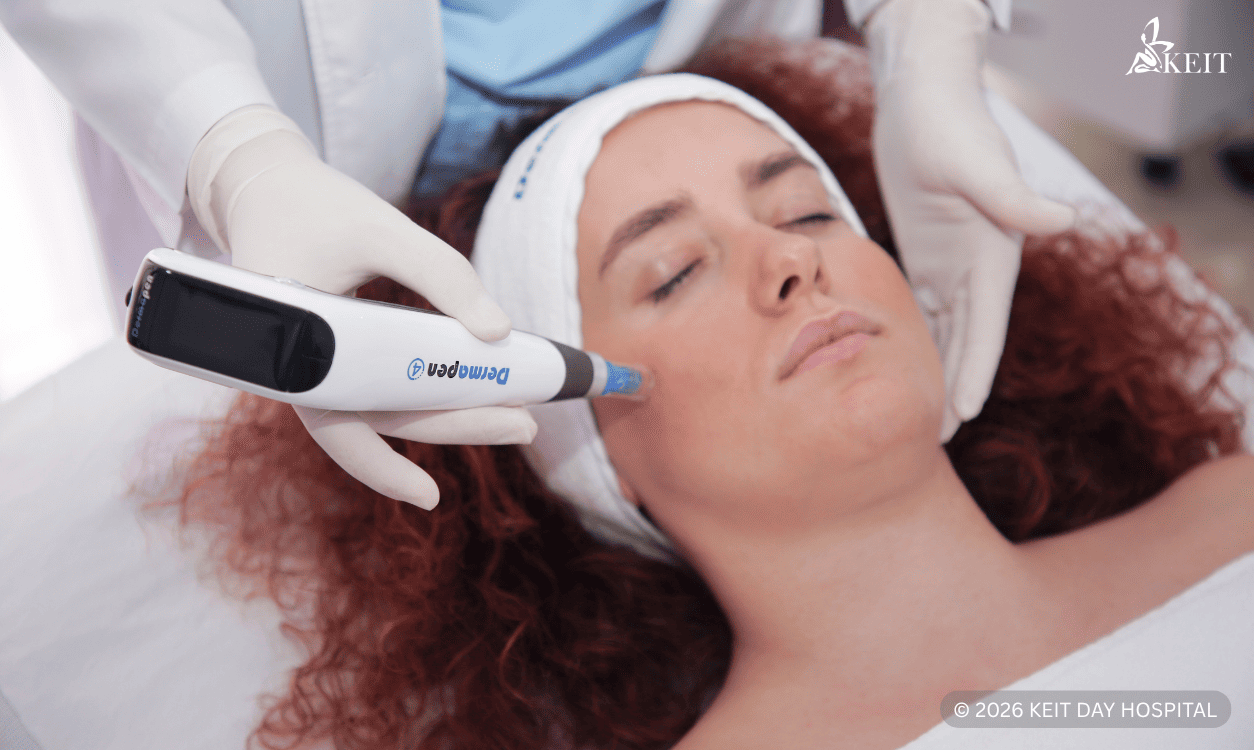
Dermapen is a pen-shaped microneedling device equipped with tiny needles that create controlled micro-injuries in the skin. These micro-channels activate the body’s natural healing response, increasing collagen and elastin production to improve texture, firmness and concerns such as acne scars, fine lines and enlarged pores. The device can technically be used at home with certain models, but the safest and most effective outcomes come from professional treatments performed by trained practitioners.
 Table of Contents:
-
1
 What is Dermapen and how it works
-
2
Dermapen treatment benefits: Skin, scars, pores and hair
-
3
Ideal candidate for Dermapen microneedling: Key factors to consider
-
4
Dermapen 4 and device options: What’s the difference?
-
5
Dermapen vs SkinPen: Which device gives better results?
-
6
Dermapen treatment step-by-step: What happens in a session
-
7
Dermapen before and after: Results timeline and what to expect
-
8
Dermapen risks and side effects: What to know before treatment
-
9
Dermapen cost in the UK: What’s included and what to expect
In this comprehensive guide, you’ll learn how Dermapen works, who may benefit from it, the differences between device types and what to expect in terms of results, comfort and recovery. You’ll also find a comparison with SkinPen, understand how many sessions your skin may need, learn about potential risks and get a clear breakdown of treatment costs in the UK. This guide is designed to help you make an informed decision about whether Dermapen microneedling is right for your skin goals.
What is Dermapen and how it works
Dermapen is a handheld microneedling device equipped with fine, rapidly oscillating needles that penetrate the skin at controlled depths. These micro-injuries activate natural healing processes, encouraging collagen and elastin production while improving absorption of any active serums applied during treatment. The number of Dermapen sessions varies depending on the specific concern, but most patients require 3–6 sessions spaced 4–6 weeks apart for visible results. More significant concerns, such as acne scarring or stretch marks may require 5–10 sessions and the results typically last 3-6 months.
Dermapen treatment benefits: Skin, scars, pores and hair
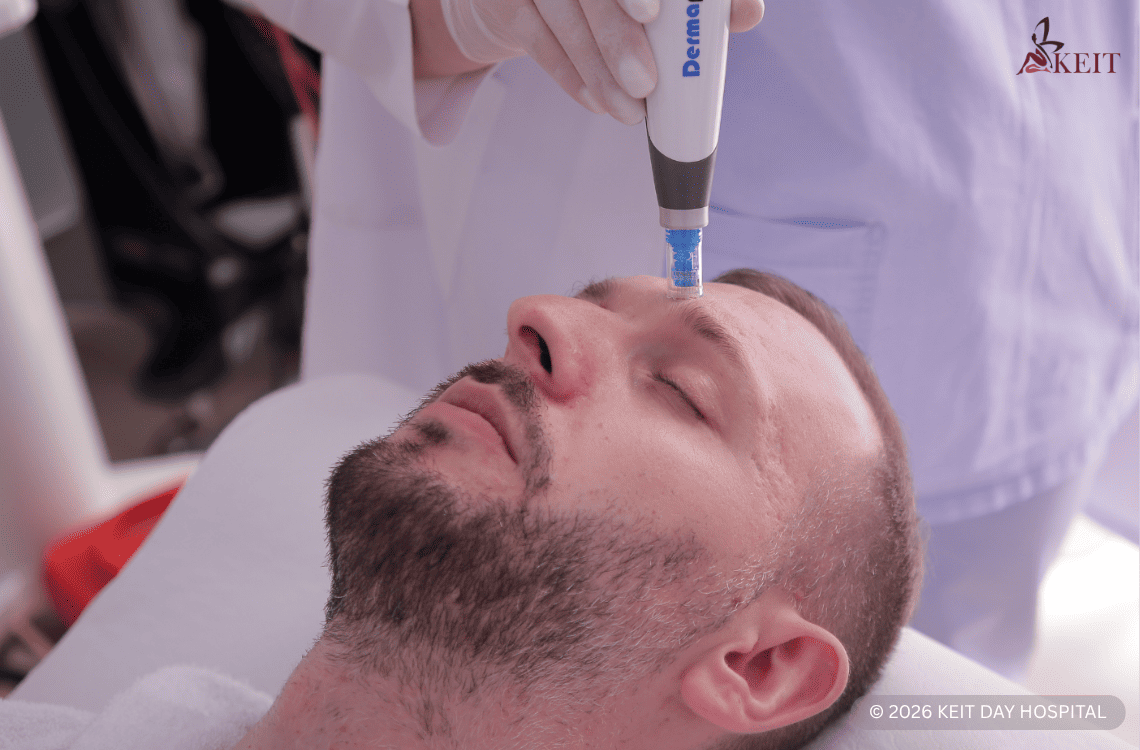
Dermapen provides multi-dimensional rejuvenation and is ideal for anyone looking for noticeable improvement without lasers or surgery. Key benefits include:
- Improved skin texture: Smooths irregularities and softens scars.
- Pore refinement: Helps reduce enlarged pores for a more even complexion.
- Brighter tone: Supports cell turnover and reduces dullness.
- Anti-ageing benefits: Softens fine lines and improves skin firmness.
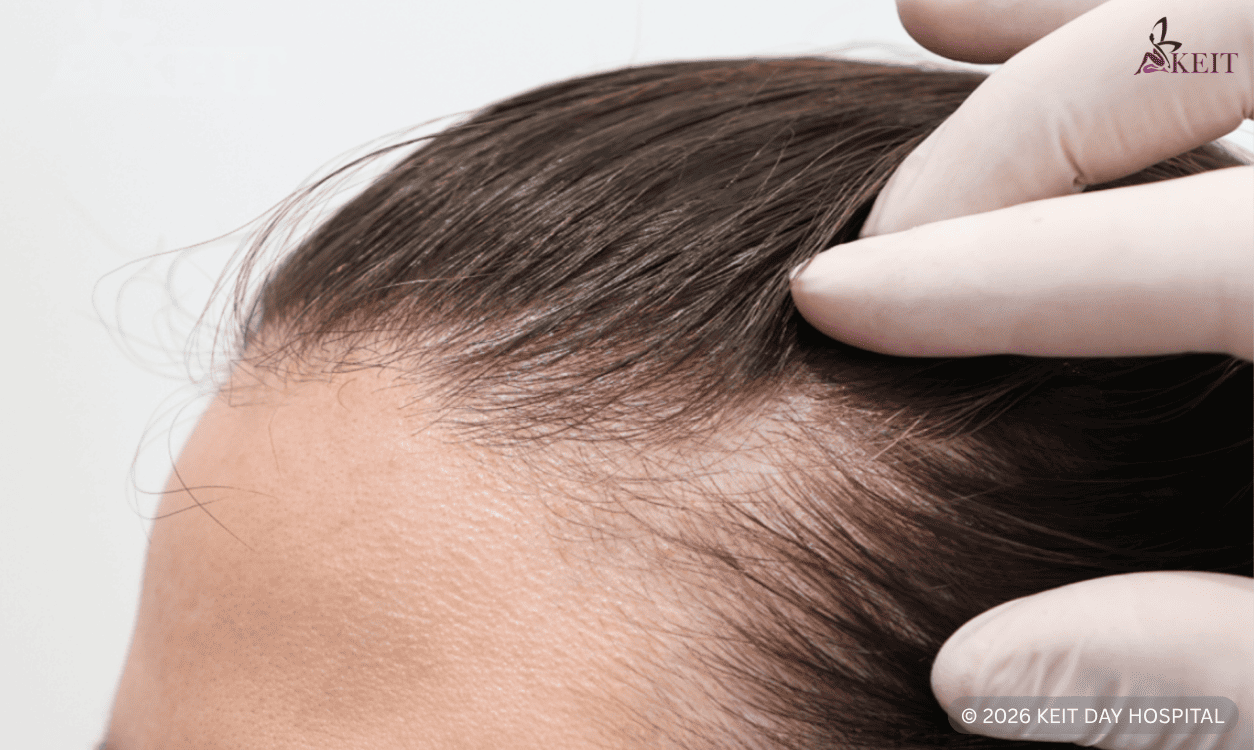
- Hair vitality support: When used on the scalp, may enhance local circulation.
- Enhanced serum penetration: Boosts absorption of active ingredients such as hyaluronic acid, peptides, PRP or exosomes.
Ideal candidate for Dermapen microneedling: Key factors to consider
You may be a suitable candidate for Dermapen treatment if you:
- Have acne scars, pigmentation or uneven skin tone.
- Want to reduce pore visibility or fine lines.
- Prefer a minimally invasive treatment with short downtime.
- Are addressing mild hair thinning on the scalp.
A professional consultation determines whether Dermapen is appropriate for your skin type and goals.
Dermapen 4 and device options: What’s the difference?
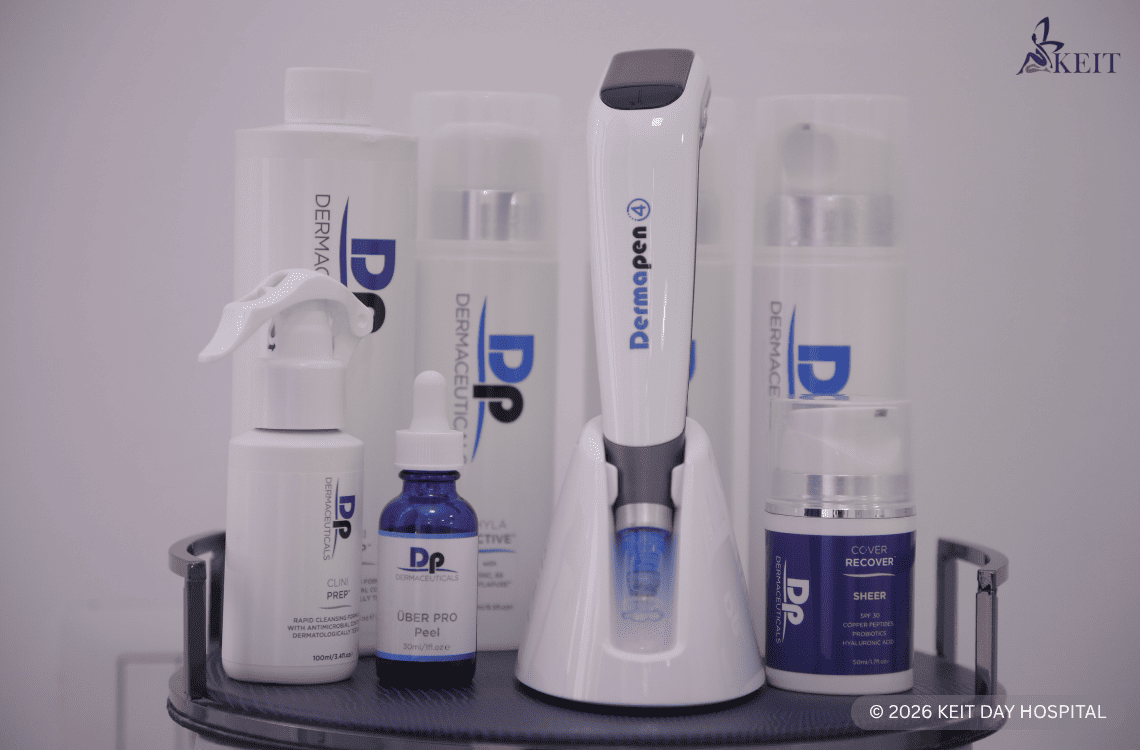
Dermapen devices have evolved significantly, with Dermapen 4 being one of the most advanced versions available. It offers:
- Faster oscillation for smoother treatments.
- Digital depth control for precision.
- Improved performance across both face and body areas.
- Reduced surface trauma and faster healing.
- Strong results in fewer sessions compared to older pens.
Earlier microneedling pens exist, but Dermapen 4 is known for its advanced control and consistency.
Dermapen vs SkinPen: Which device gives better results?
Both Dermapen and SkinPen are leading microneedling devices that improve texture, scars and overall skin quality, but they differ in precision and treatment style:
- Dermapen offers adjustable needle depth and fast oscillation, making it ideal for delicate or curved areas like the nose and under-eyes.
- SkinPen delivers a uniform needling pattern and is FDA-cleared, which appeals to practitioners who prefer standardised protocols.
- Comfort differs: Dermapen often feels smoother due to rapid oscillation, while SkinPen provides a steady, controlled motion.
- Collagen stimulation: Dermapen allows more targeted depth control, whereas SkinPen creates even collagen production on flatter areas.
- Final results depend more on practitioner skill than on the device itself.
Dermapen treatment step-by-step: What happens in a session
A typical Dermapen session includes:
- Consultation: Your practitioner evaluates your skin concerns, treatment goals and suitability for microneedling.
- Preparation: The skin is thoroughly cleansed to remove any makeup, oils or impurities.
- Numbing: A topical anaesthetic is applied for 15-20 minutes to add additional comfort.
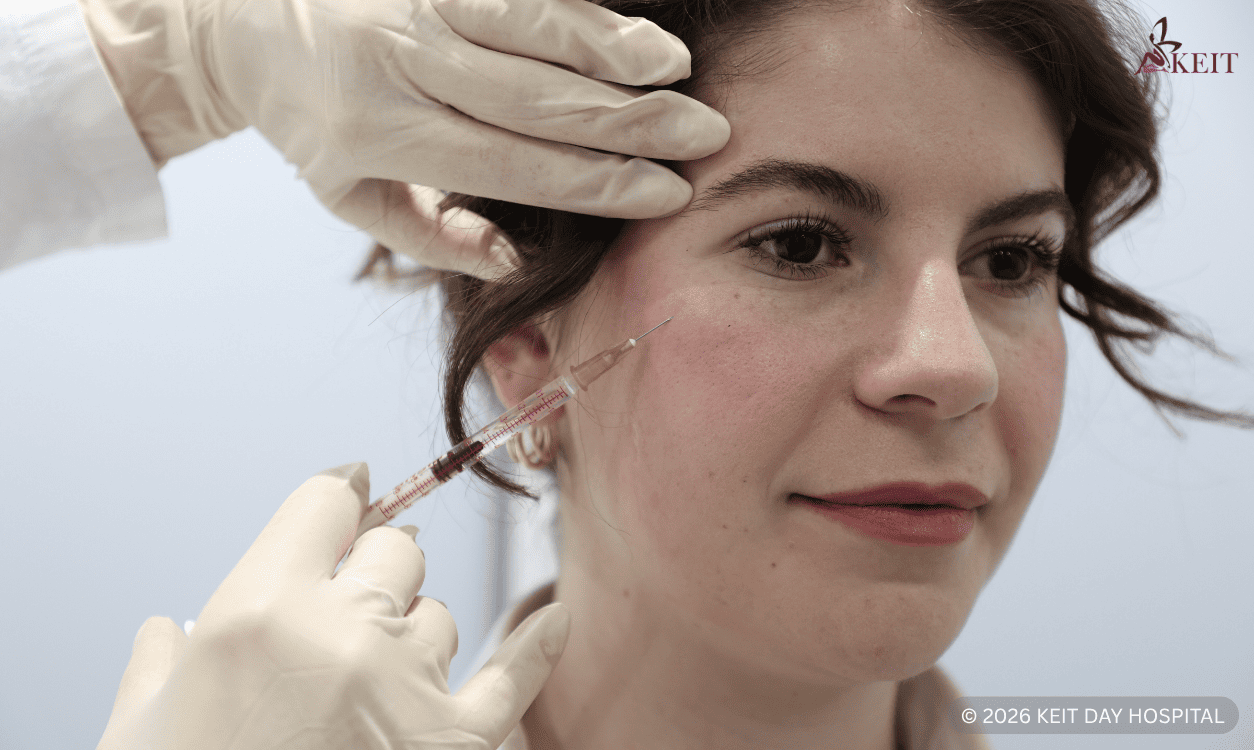
- Microneedling: Using a sterile needle cartridge, Dermapen glides across the skin in precise motions, creating controlled micro-channels.
- Serums: Targeted serums such as hyaluronic acid, peptides, PRP or exosomes are applied to enhance hydration.
- Soothing finish: A calming mask or barrier cream reduces redness, followed by hydrating products and mineral SPF for protection.
Most sessions take 30–60 minutes, depending on the area treated and the depth required.

Dermapen before and after: Results timeline and what to expect
Results after dermapen treatment appear progressively as collagen rebuilds:
- Immediately after: Mild redness, warmth and tightness.
- Days 1–3: Pinkness fades; slight dryness may occur.
- Days 4–7: Texture begins to feel smoother and more refined.
- Weeks 3–6: Visible improvements in scars, pores, tone and fine lines.
- Long-term: Collagen continues developing for several months.
Dermapen risks and side effects: What to know before treatment
Dermapen is considered safe, but mild reactions can occur: temporary redness or swelling, dryness or mild flaking and light sensitivity in treated areas. Rare side effects include irritation, prolonged redness or pigmentation changes, especially without proper aftercare. Sunscreen is essential during healing.
Dermapen cost in the UK: What’s included and what to expect
Dermapen pricing in the UK varies based on clinic location, practitioner expertise and whether advanced serums such as PRP or exosomes are included. Standard treatments typically range from 170–340 euro, while advanced Dermapen 4 sessions cost 280-560 euro and combinations with PRP or exosomes may reach 600 euro. Targeted areas like the under-eyes, neck or scalp are usually priced between 200–450 euro. Final costs depend on factors such as treatment depth, the number of passes required for scars or texture concerns and higher pricing in major cities like London.