Published on:
 Modified on:

 Reading Time: 5 min
 Aesthetic Treatments
Jawline filler is a non-surgical treatment used to improve lower-face definition, support facial proportions and refine the transition between the jaw and the neck. Some people naturally have a softer jawline, while others notice changes over time due to subtle volume shifts and early laxity, which can blur the jawline and contribute to the appearance of jowls. When performed with appropriate product selection and conservative technique, injectable treatments can create natural-looking structure without changing facial identity.
 Table of Contents:
-
1
 What is jawline filler and how do injectable fillers for jawline work?
-
2
Dermal fillers jawline: The suitable candidates
-
3
Fillers on jawline: Main types used and why product choice matters
-
4
How many ml of jawline fillers are needed?
-
5
Jawline filler before and after: Realistic results you should expect
-
6
Recovery, swelling stages and how long jawline filler takes to settle
-
7
How long does jawline filler last?
-
8
Jawline filler gone wrong: Risks, migration and how to avoid them
In this comprehensive guide, we will explore what jawline filler is and how injectable fillers for jawline work. We will then look at who is a suitable candidate, how much product may be required and what realistic jawline filler before and after results look like. Finally, we will discover how recovery and settling typically progress, how long results can last and how to reduce the risk of complications such as migration.
What is jawline filler and how do injectable fillers for jawline work?
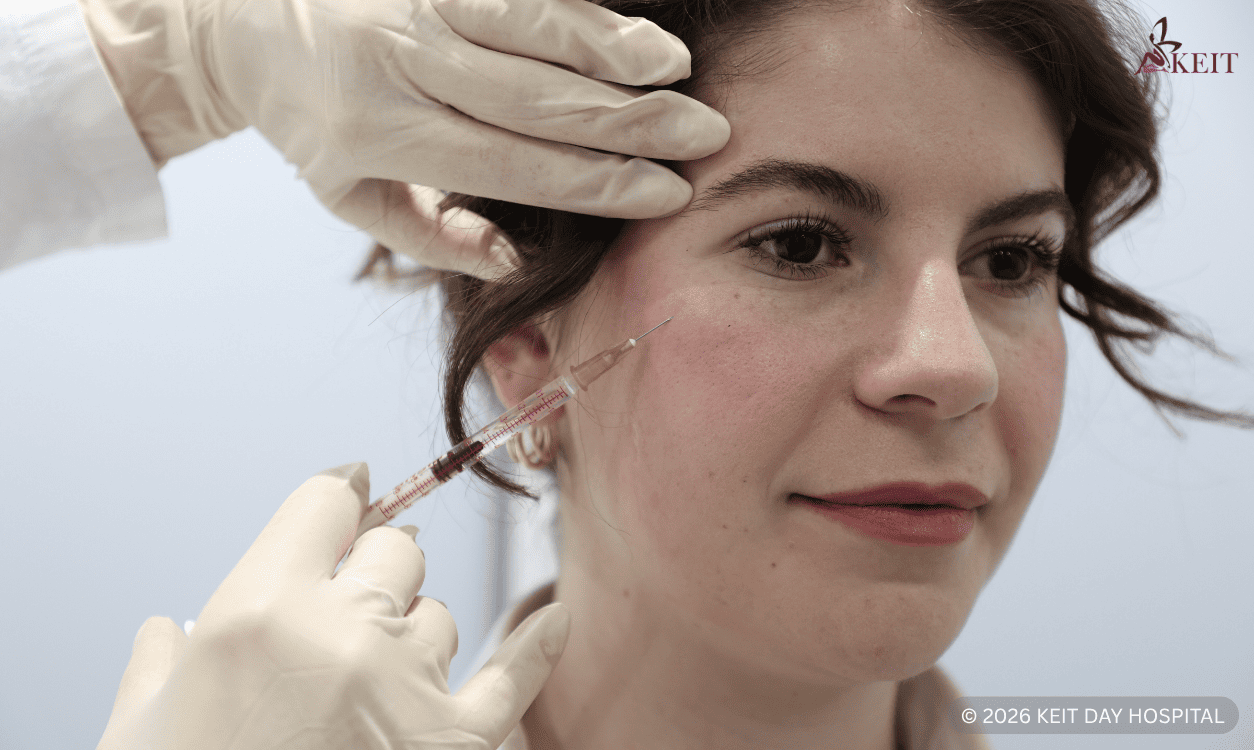
Jawline filler is a technique where dermal filler is placed strategically along the mandibular border and, when needed, the chin, to improve definition and support. Most injectable fillers for jawline are hyaluronic acid–based products. Hyaluronic acid integrates into tissue and attracts water, helping create support and contour while remaining adjustable. The treatment can be tailored to the individual face: some patients require gentle refinement, while others benefit from a stronger framework, particularly when the jawline is naturally less projected.
Dermal fillers jawline: The suitable candidates
Dermal fillers jawline treatments are most suitable for patients seeking improved definition, proportion and subtle structural enhancement. Suitable candidates often include:
- People with a naturally soft or less defined jawline, including at a younger age.
- Patients with early, mild jowling where jawline filler for jowls can improve the jaw–neck transition without adding heaviness.
- Individuals with a weak chin or lower-face imbalance, where combined chin and jawline filler can restore proportion.
- Men seeking stronger lower-face definition, as jawline filler men treatments often aim for a straighter, more structured contour.
- Patients with a rounder face shape who want subtle definition while preserving natural facial identity.
Fillers on jawline: Main types used and why product choice matters
Fillers on jawline work best when the product matches the jaw’s “structural” needs. The main options are:
- Hyaluronic Acid (HA) fillers (Juvéderm Volux/Voluma, Restylane Lyft): Give immediate definition and are adjustable/reversible if needed, which is why they’re the most common choice for jawline contouring.
- Calcium Hydroxylapatite (CaHA) (Radiesse): Provides stronger support and can stimulate collagen over time, often used when a firmer “scaffold” effect is desired.
- Poly-L-lactic Acid (PLLA) (Sculptra): A collagen stimulator that builds results gradually over multiple sessions, better for overall lower-face improvement than instant sharp contouring.
Beyond the product itself, results depend on correct depth and placement (jaw angle, mandibular line or chin support) and on whether a needle or cannula jawline filler technique is chosen for safety and anatomy.
How many ml of jawline fillers are needed?
“How much filler for jawline?” and “how many ml filler for jawline?” are common questions, but the answer depends on facial structure, tissue thickness and the desired result. As a general guide:
- 1ml jawline filler is often used for mild refinement, particularly in slimmer faces.
- 2ml jawline filler is common when definition is needed across both sides of the jawline.
- 3ml jawline filler or more may be considered when the goal is stronger contour, especially when combined with chin enhancement.

Jawline filler before and after: Realistic results you should expect
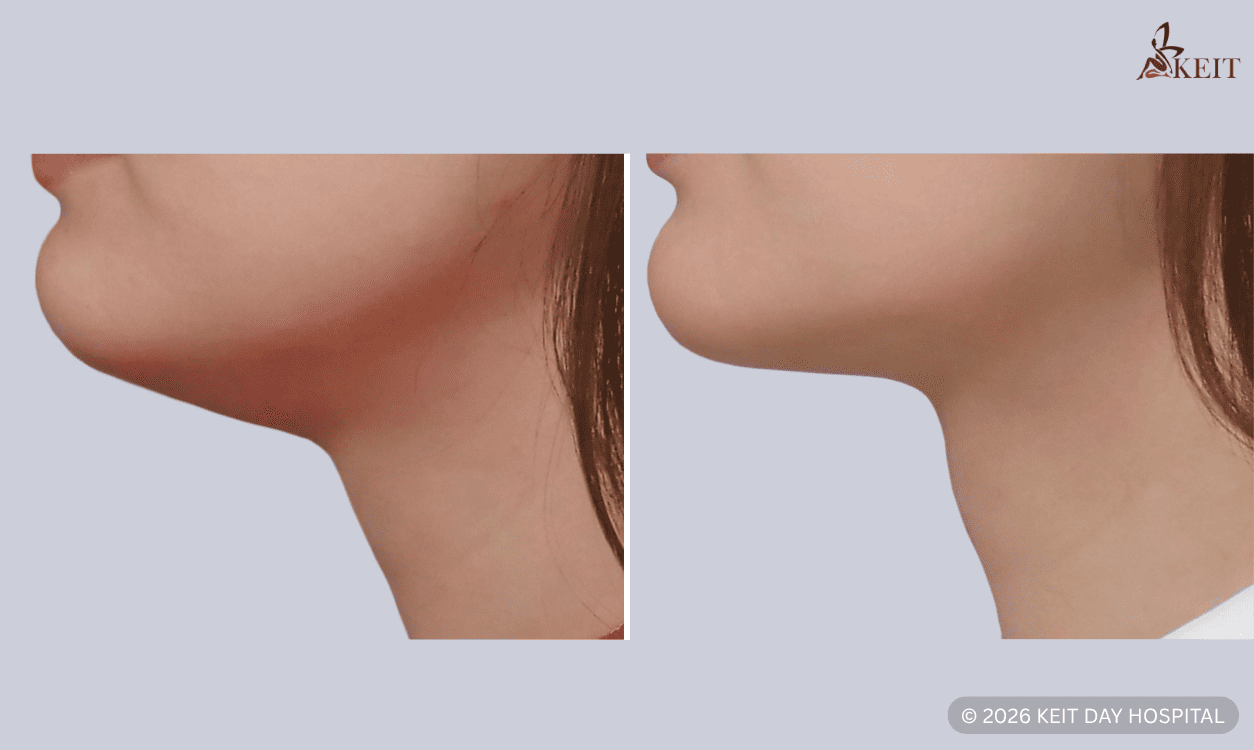
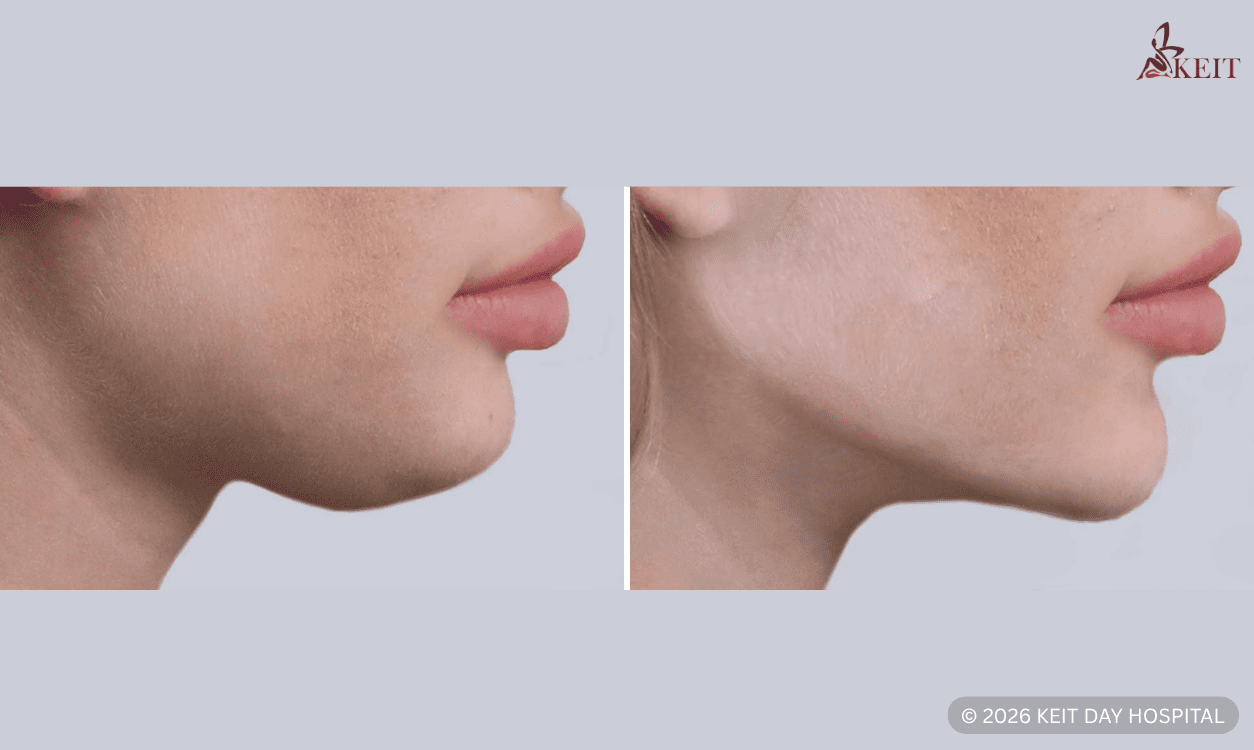
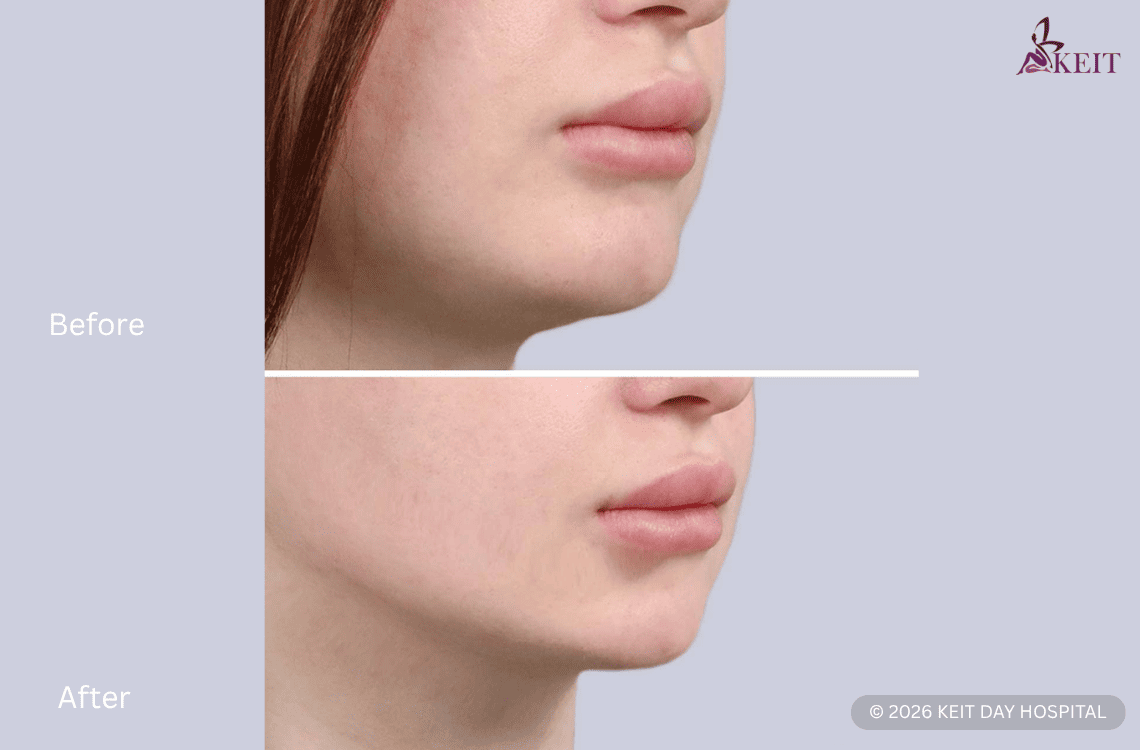
Jawline fillers before and after changes are often visible immediately, but the final result is assessed after swelling settles. The aim is improved definition, better continuity from chin to jaw angle and a more balanced lower face. Realistic improvements can include:
- A clearer jawline line in profile and three-quarter view.
- Better balance between chin projection and jawline structure.
- A smoother transition in early jowling, when appropriate (jawline filler for jowls before and after results are often subtle and depend on laxity).
Recovery, swelling stages and how long jawline filler takes to settle
Recovery after jawline filler is typically manageable with minimal downtime. Mild swelling, tenderness or small bruises can occur, especially along the mandibular border. A typical settling timeline is:
- First 24 hours: Mild swelling, redness or tenderness and the area may feel firm.
- Days 2–4: Swelling decreases and the contour begins to look smoother.
- Days 5–10: The filler integrates further and the jawline feels more natural.
- Around 10–14 days: Results are usually considered settled for assessment.
Aftercare guidance typically includes avoiding pressure or massage unless advised, limiting high heat exposure for 24–48 hours and avoiding intense exercise during the first day or two. If symptoms worsen rather than improve, a medical review is important.
How long does jawline filler last?
How long jawline filler lasts depends on the product used, placement depth, individual metabolism and lifestyle factors. In general, the jawline is a relatively low-movement area compared to regions such as the lips, which often allows results to last longer in many patients.
In most cases, jawline filler lasts between 12 and 18 months, although some individuals may notice visible definition for up to 24 months with firmer, highly cross-linked fillers. Rather than disappearing suddenly, the effect typically softens gradually over time.
Jawline filler gone wrong: Risks, migration and how to avoid them
In practice, unsatisfactory results most commonly relate to overfilling, incorrect product choice, poor placement depth or unrealistic expectations. Potential issues can include:
- Temporary swelling or bruising.
- Small lumps/unevenness (often settles; sometimes needs a review).
- Mild asymmetry (can be natural or technique-related).
- Jawline filler migration (more likely with too much product or the wrong type).
Rare but serious risks of jawline filler include vascular occlusion with potential skin damage, infection, nerve injury, delayed inflammatory reactions and, in very rare cases, granuloma formation. Risk is reduced by choosing an experienced medical injector in a clinic with strong safety protocols, using conservative dosing, avoiding extreme sharpness in a single session and planning review appointments so refinements can be made gradually rather than through overcorrection.