Published on:
 Modified on:

 Reading Time: 3 min
 Hair transplant
A failed hair transplant occurs when transplanted follicles do not grow as intended, resulting in poor density, unnatural hairlines, or visible scarring. Causes include improper surgical technique, inadequate donor hair, or patient-specific factors. Most failed cases can be corrected using repair procedures tailored to the scalp, donor availability, and desired outcomes.
 Table of Contents:
-
1
 What is a failed hair transplant?
-
2
Causes of a failed hair transplant
-
3
Signs of a bad hair transplant
-
4
Can a failed hair transplant be fixed?
-
5
Hair transplant repair: Options to correct failed or unnatural results
-
6
Failed hair transplant: When correction is not possible
-
7
How to avoid a failed hair transplant
In this article we explain what a failed hair transplant is, causes and common signs of a bad hair transplant. Then we cover repair options, situations where correction may not be possible, preventive strategies to avoid failure, and practical guidance for selecting a skilled surgeon.
What is a failed hair transplant?
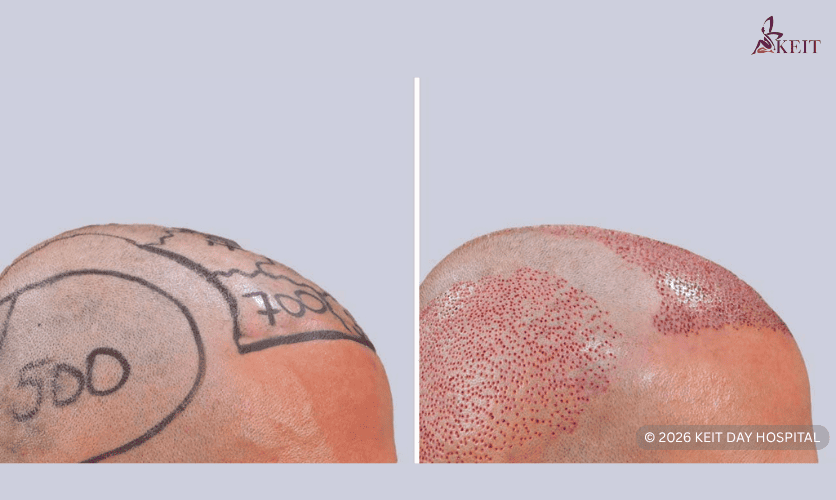
A failed hair transplant occurs when transplanted follicles fail to deliver the desired results, leading to poor density, uneven coverage, or an unnatural hairline. Failure can be partial, affecting specific areas, or more extensive, leaving visible bald patches. Recognizing a failed transplant early is essential for planning corrective procedures and restoring a balanced, natural appearance.
Causes of a failed hair transplant
Hair transplant failures usually result from a combination of surgical, patient, and post-operative factors. Key causes include:
- Improper surgical technique: Incorrect graft placement, poor angulation, or overcrowding can lead to unnatural appearance and low survival rates.
- Inadequate donor hair: Limited or overharvested donor follicles reduce the ability to achieve sufficient density.
- Poor post-operative care: Neglecting scalp care, excessive pressure on grafts, or non-adherence to instructions can impair healing.
- Patient-specific factors: Underlying medical conditions, smoking, poor circulation, or scalp scarring may reduce graft survival.
- Unrealistic expectations or planning errors: Attempting to cover too large an area or misjudging density requirements can result in visible patchiness or uneven coverage.
Signs of a bad hair transplant
A bad or failed hair transplant is identified by several clear indicators affecting the aesthetic and functional outcome:
- Unnatural hairline design: Hairline placement lacks symmetry, proper angulation, or proportion, creating an artificial appearance.
- Poor graft survival: Transplanted follicles do not grow, resulting in sparse or bald patches in treated areas.
- Low density or patchy growth: Hair coverage is uneven, with visible gaps or thin regions.
- Overharvested donor area: Excessive follicle extraction leads to thinning, scarring, or reduced donor hair for future procedures.
- Visible scarring: Noticeable linear scars, keloids, or puncture marks appear in donor or recipient regions.

Can a failed hair transplant be fixed?
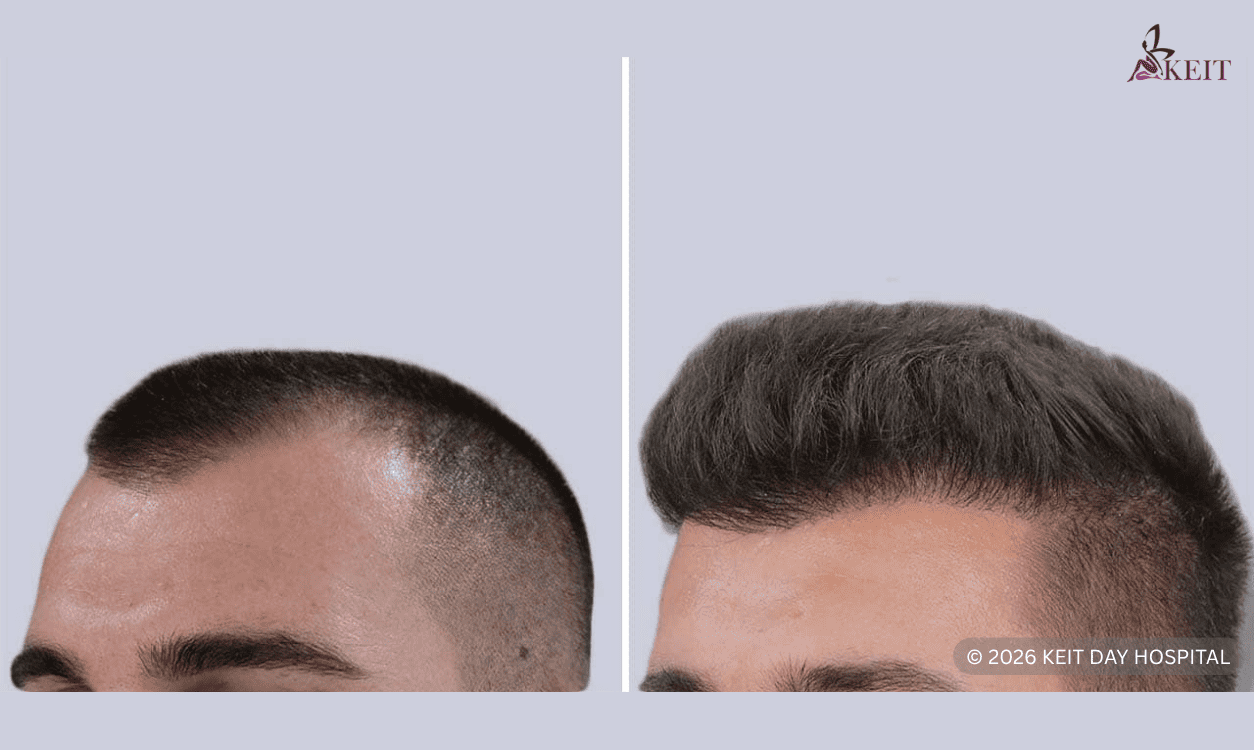
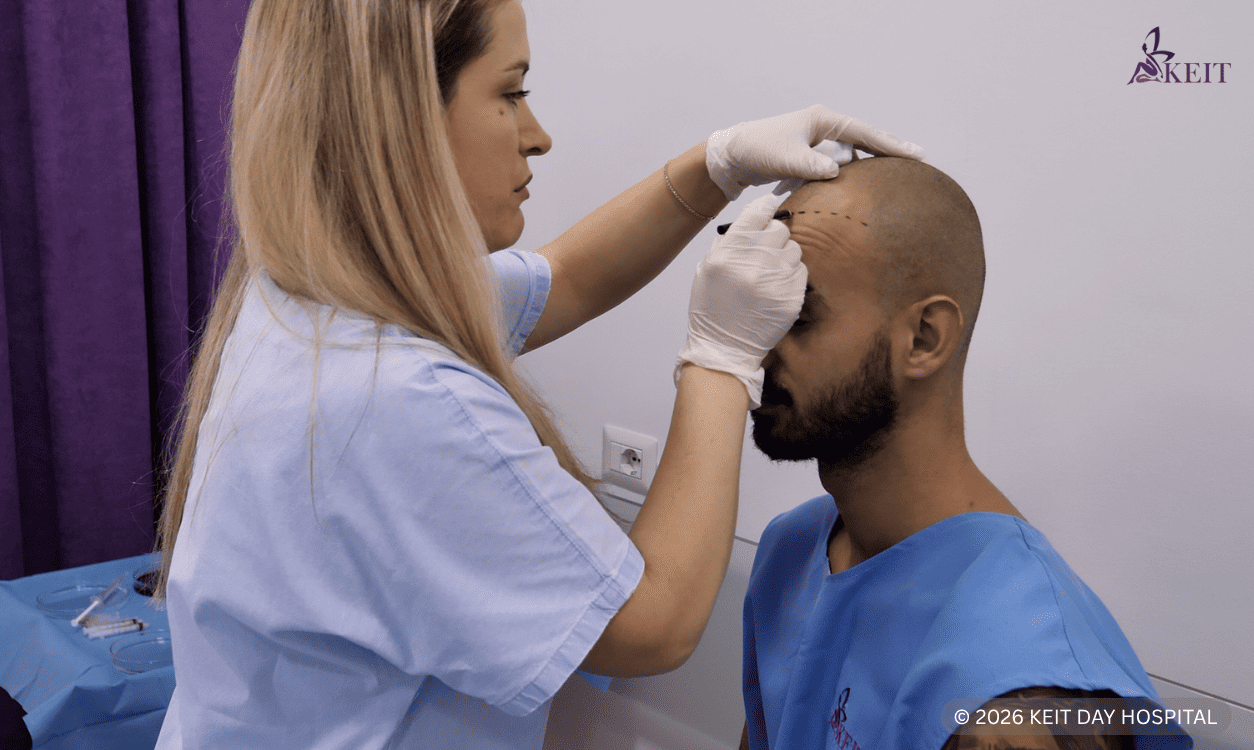
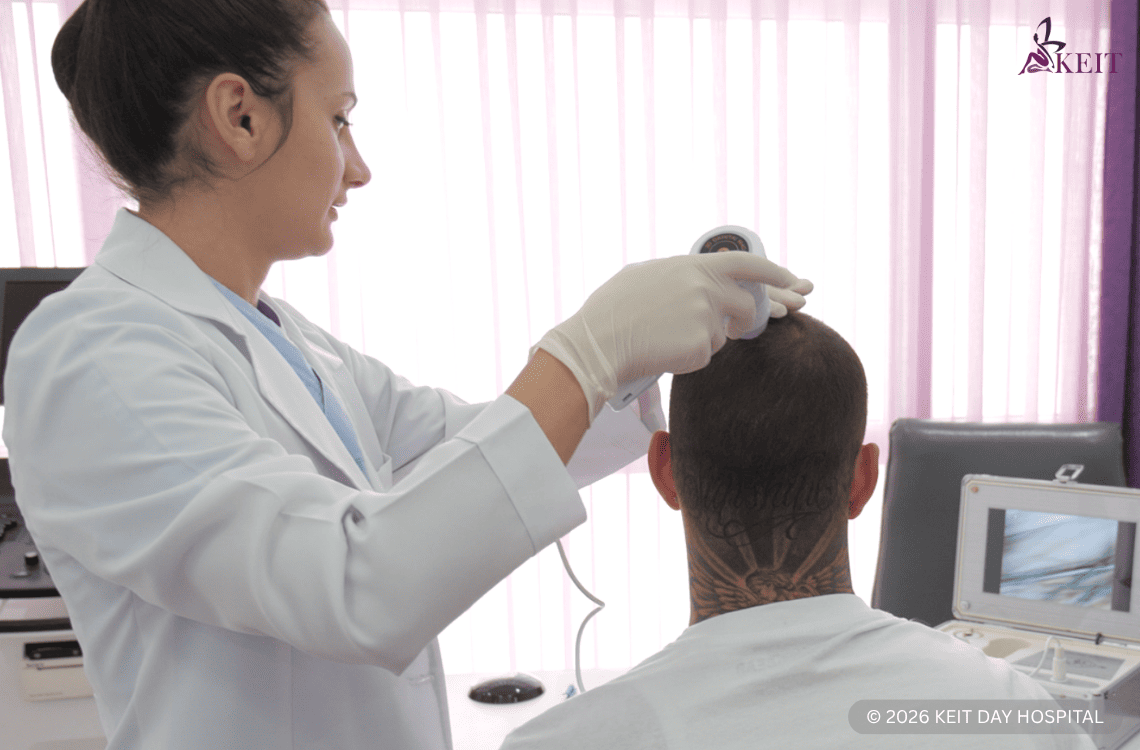
Many failed hair transplants can be corrected. Repair depends on factors such as donor hair availability, scalp elasticity, and the extent of the initial failure. A qualified surgeon evaluates the affected areas and develops a tailored restoration plan that restores natural density, corrects hairline irregularities, and ensures aesthetically balanced results.
Hair transplant repair: Options to correct failed or unnatural results
Hair transplant repair techniques are chosen based on the type of failure and available donor hair:
- Corrective FUE grafting: Adding new follicular units into areas of poor growth to increase density and improve coverage while preserving the donor site.
- Graft redistribution: Removing or relocating poorly placed grafts to correct unnatural patterns, hairline shape, or angulation.
- Single‑hair graft refinement: Using single‑hair grafts at the anterior hairline for a softer, natural transition.
- Scar revision: Surgical refinement of donor or recipient scars when they are wide, hypertrophic, or cosmetically undesirable.
Failed hair transplant: When correction is not possible
Not all failed hair transplants can be fully corrected due to anatomical, procedural, or donor limitations. Key situations where correction may be limited include:
- Insufficient donor hair: Limited available follicles prevent adequate regrafting for natural coverage.
- Extensive scarring: Scar tissue in the recipient area can compromise graft survival and aesthetic outcomes.
- Severe graft misplacement: Major errors in hairline design or angulation may require complex reconstruction that cannot fully restore natural appearance.
- Advanced tissue loss or damage: In cases where scalp tissue has been significantly damaged, further transplantation may not be feasible.
How to avoid a failed hair transplant
Preventing a failed hair transplant relies on careful planning, surgeon selection, and patient adherence to instructions:
- Choose a board-certified surgeon: Ensure the surgeon has verified credentials and a strong history of successful hair transplants.
- Set realistic expectations: Understand the achievable hair density and natural hairline design to avoid disappointment.
- Evaluate donor areas and scalp health: Confirm sufficient hair availability and healthy scalp conditions before surgery.
- Follow post-operative instructions: Adhering to care guidelines maximizes graft survival and reduces complications.