Published on:
 Modified on:

 Reading Time: 5 min
 Hair transplant
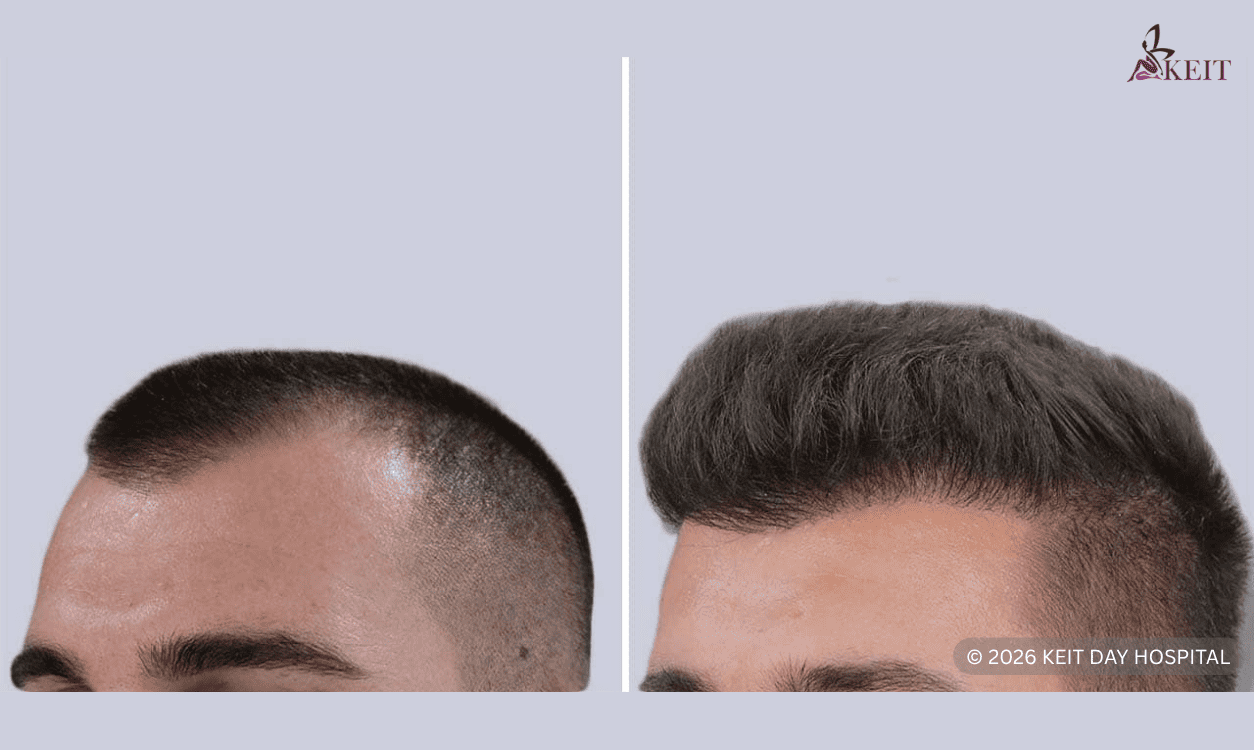
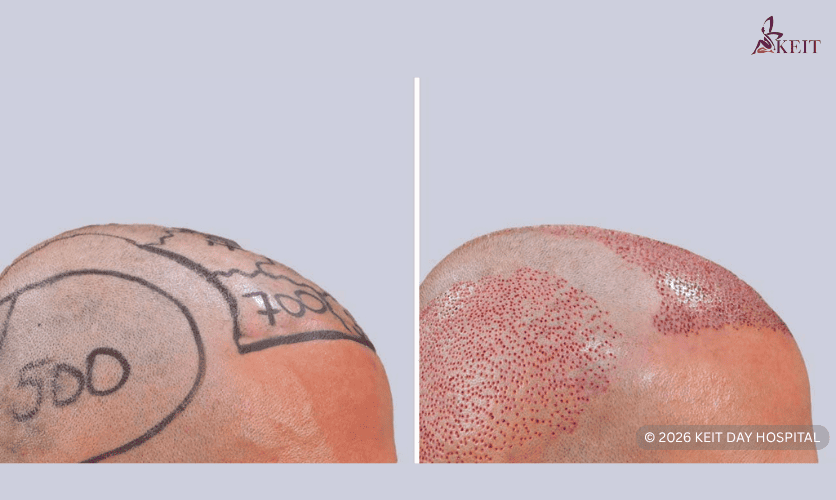
 risks include temporary side effects such as redness, swelling, and shedding, as well as potential complications like infection, poor healing, unnatural hairline, or donor area overharvesting. Risk depends on patient factors, surgical technique, and clinic standards. Proper planning and choosing a qualified surgeon minimize complications and optimize results.
 Table of Contents:
-
1
 Is hair transplant surgery safe?
-
2
Common side effects after a hair transplant
-
3
Potential risks and complications of hair transplant surgery
-
4
Infection, bleeding and poor healing risks after hair transplant
-
5
Hair transplant: shock loss and temporary shedding
-
6
Unnatural hairline or poor density after a hair transplant
-
7
Donor area overharvesting during a hair transplant
-
8
Who is at higher risk of hair transplant complications?
-
9
How to reduce risks before hair transplant surgery
-
10
How to reduce risks before hair transplant surgery
-
11
What KEIT Day Hospital does to improve patient safety
This article explains whether hair transplant surgery is safe, the common side effects, potential complications including shock loss, poor density, and donor area overharvesting. It also covers who is at higher risk, preventive measures before surgery, clinic selection and KEIT Day Hospital’s safety practices.
Is hair transplant surgery safe?
Hair transplant surgery is generally safe when performed by a qualified surgeon in a sterile clinical environment. Because the procedure uses the patient’s own tissue, the risk of rejection or allergic reaction is minimized. The safety profile improves with proper patient selection, advanced techniques, and adherence to post-operative instructions.
Common side effects after a hair transplant
Mild, temporary side effects may occur as part of the healing process. These include:
- Redness and swelling: mild inflammation around the recipient and donor sites.
- Crusting or scabbing: small crusts may form around newly implanted grafts.
- Tenderness or discomfort: mild soreness can last a few days.
- Itching: occurs during early healing as the scalp recovers.
- Temporary shedding (shock loss): nearby native hairs may fall out but typically regrow.
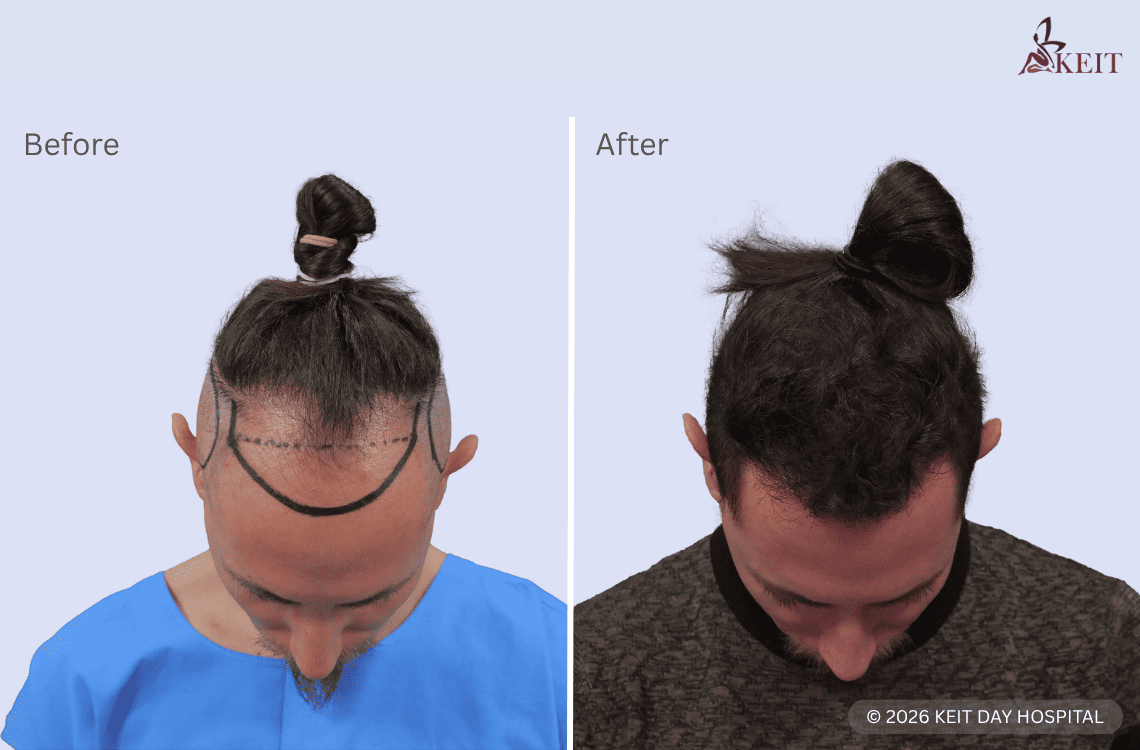
Potential risks and complications of hair transplant surgery
While uncommon, complications can occur, particularly if post-operative care is inadequate or patient risk factors are present:
- Infection or delayed healing at donor or recipient sites.
- Excessive bleeding during or after the procedure.
- Permanent shock loss of existing or transplanted hair.
- Unnatural hairline or uneven density if graft placement is suboptimal.
- Visible scarring or keloid formation.
- Donor area overharvesting, which can reduce hair availability for future procedures.
Infection, bleeding and poor healing risks after hair transplant
Infections are rare, but proper hygiene and prophylactic antibiotics reduce the risk of hair plugs infection. Minor bleeding is managed during the procedure, while patients should avoid blood-thinning medications afterward. Impaired healing, caused by smoking, uncontrolled diabetes, or inadequate post-operative care, can compromise graft survival and overall results.
Hair transplant: shock loss and temporary shedding
Shock loss is a temporary shedding of both transplanted and nearby native hairs, typically occurring 2–6 weeks after surgery. It can affect the hairline, temples, and crown. Shedding usually resolves within 3–6 months, with full regrowth by 9–12 months. Careful surgical technique, gentle graft handling, and proper post-operative care help minimize the risk.
Unnatural hairline or poor density after a hair transplant
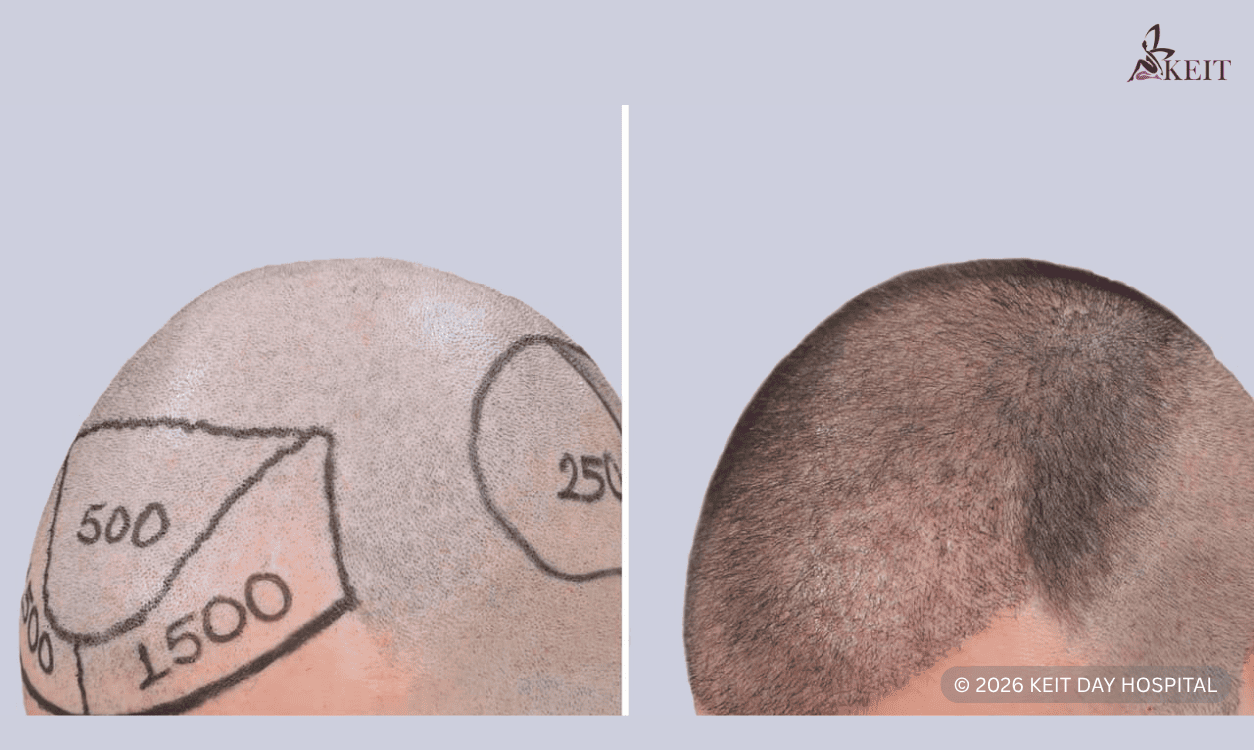
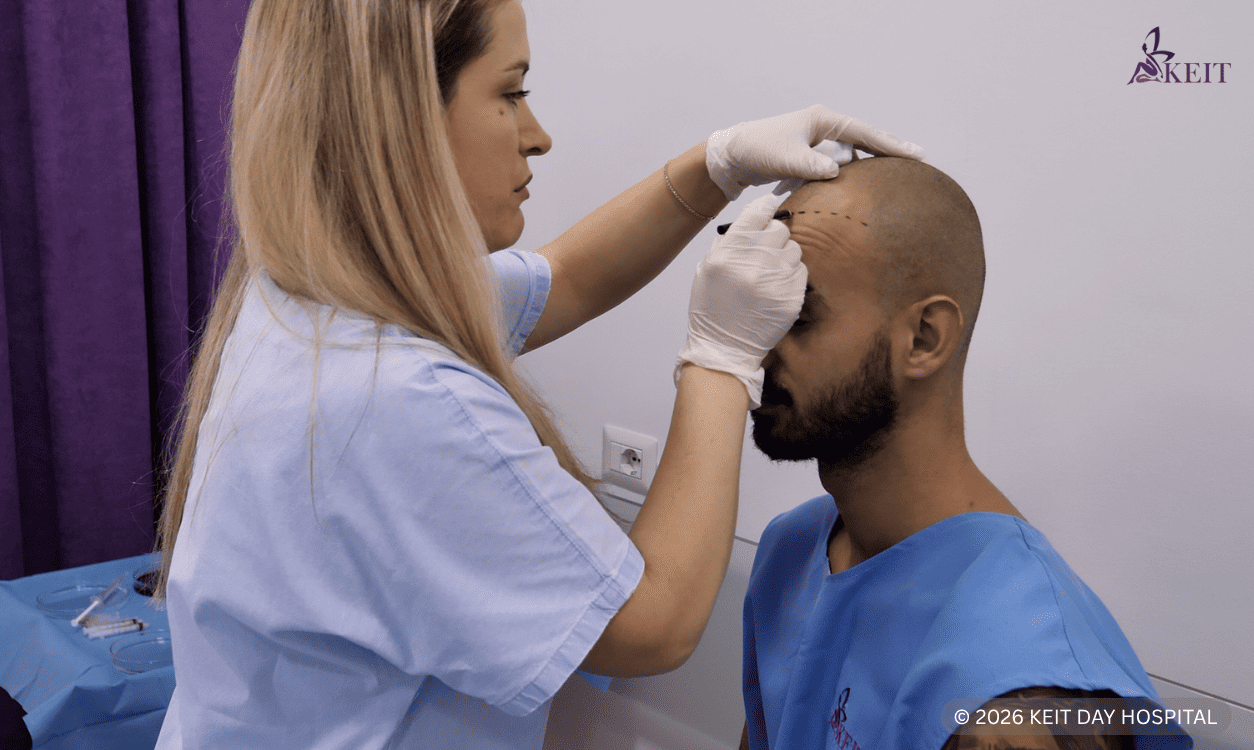
An unnatural hairline or insufficient density can result from incorrect graft placement, spacing errors, or failure to align hair angles with the natural growth pattern. Meticulous planning, precise technique, and attention to facial proportions are crucial to ensure a balanced, natural appearance.
Donor area overharvesting during a hair transplant
Excessive extraction of follicles from the donor area can cause visible thinning, scarring, or limit availability for future hair implants. Careful planning, conservative harvesting, and maintaining appropriate density are essential to preserve the donor site’s integrity and ensure long-term transplant success.

Who is at higher risk of hair transplant complications?
Certain factors can increase the likelihood of complications after a hair transplant:
- Underlying health conditions: Diabetes, cardiovascular disease, or autoimmune disorders can impair healing and increase infection risk.
- Smoking or vascular insufficiency: Reduced blood flow can compromise graft survival and slow healing.
- Genetic or skin conditions: Scarring disorders, fragile skin, or scalp conditions affecting follicle health can reduce graft take.
- Hormonal imbalances: Elevated androgens or other hormonal disruptions may affect hair growth and long-term transplant outcomes.
- Previous scalp surgeries or trauma: Scar tissue or prior procedures can hinder graft survival and increase the risk of poor healing.
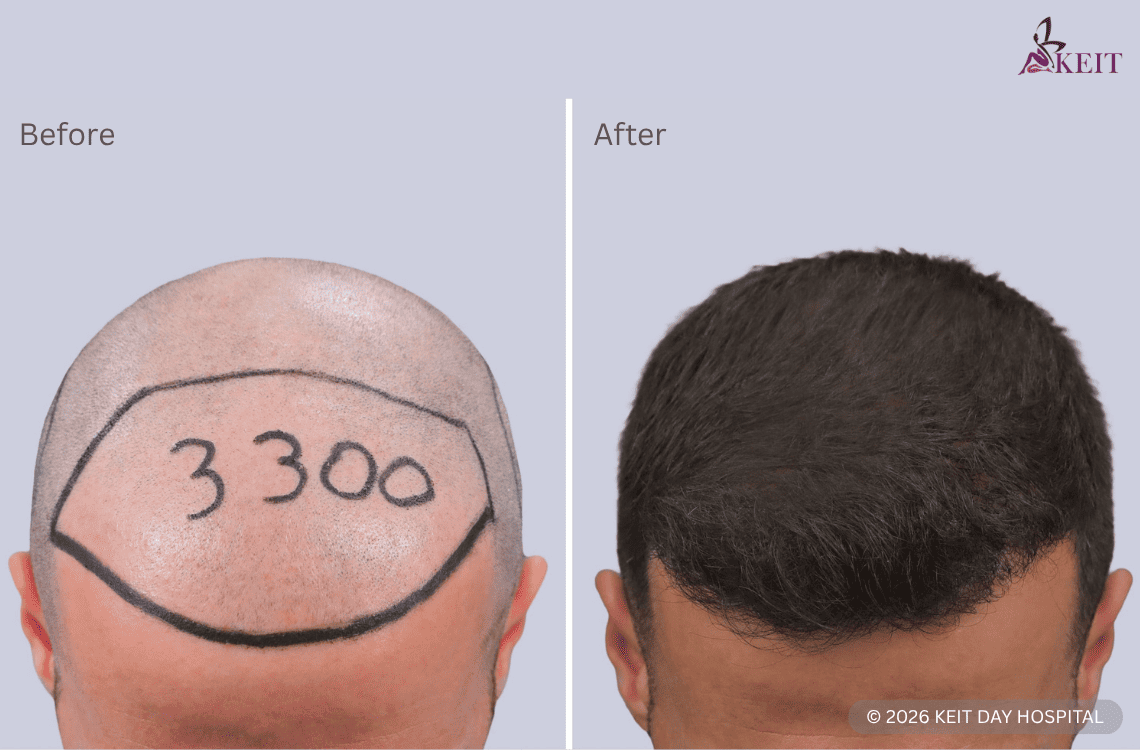
How to reduce risks before hair transplant surgery
Proper pre-operative preparation significantly lowers the risk of complications. Key steps include:
- Choose a board-certified hair transplant surgeon: Ensures expertise, safe technique, and optimal outcomes.
- Disclose medical history and lifestyle factors: Inform your surgeon about medications, chronic conditions, and habits like smoking that can affect healing.
- Follow pre-op instructions carefully: This may include pausing blood thinners, avoiding alcohol, or adjusting medications as advised.
- Set realistic expectations: nderstand potential density, growth rates, and limitations to ensure satisfaction with the results.
What KEIT Day Hospital does to improve patient safety
At KEIT Day Hospital, we prioritize patient safety through standardized clinical protocols and rigorous pre- and post-operative care. Key measures include:
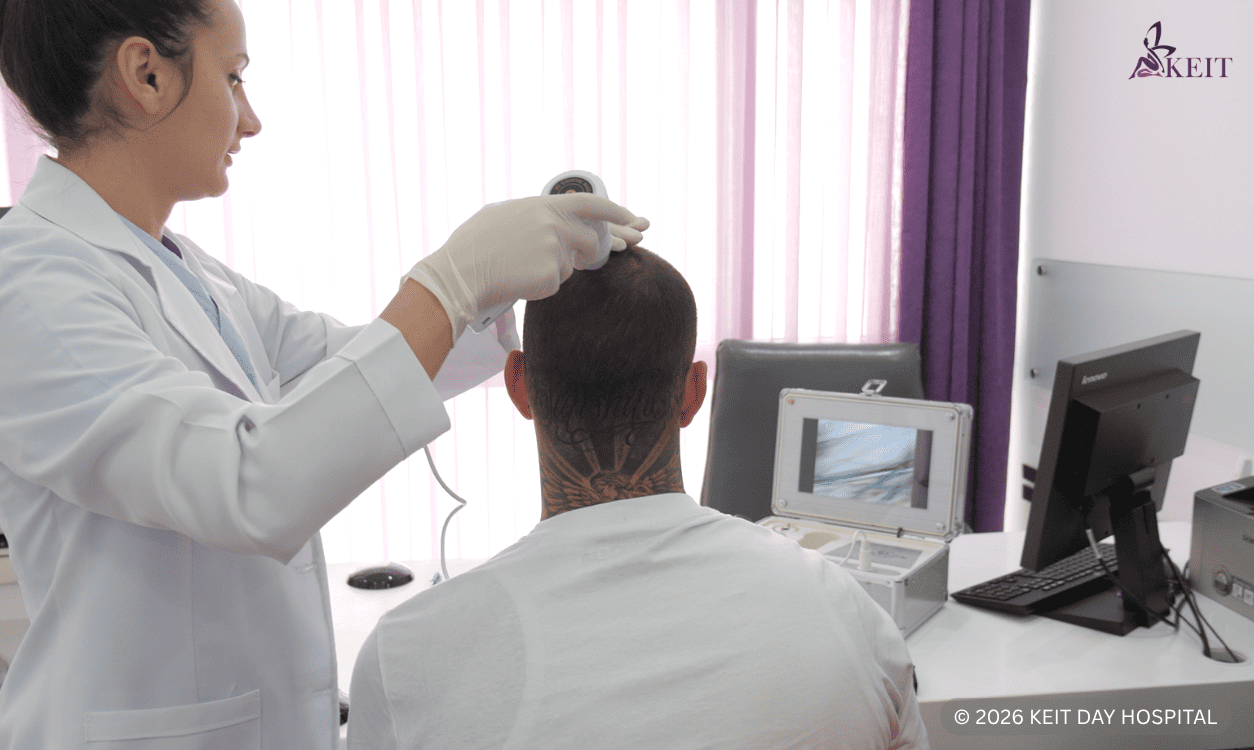
- Pre-operative assessment: Comprehensive evaluation of medical history, scalp condition, and risk factors to ensure suitability for hair transplantation.
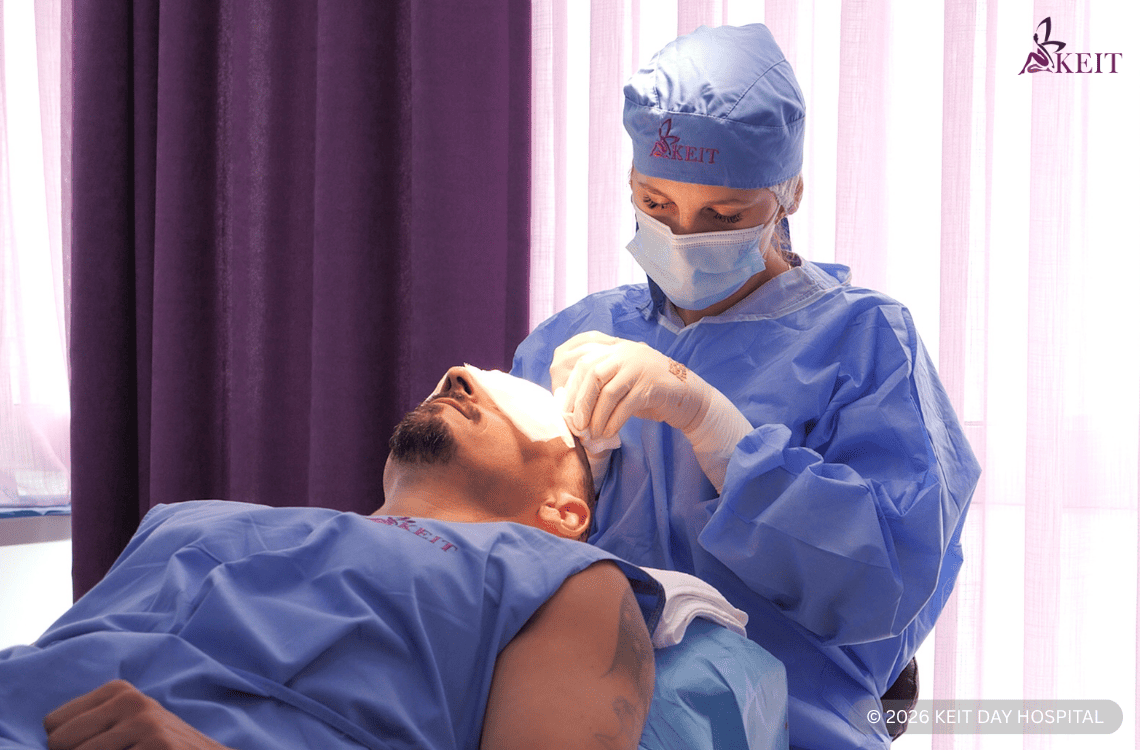
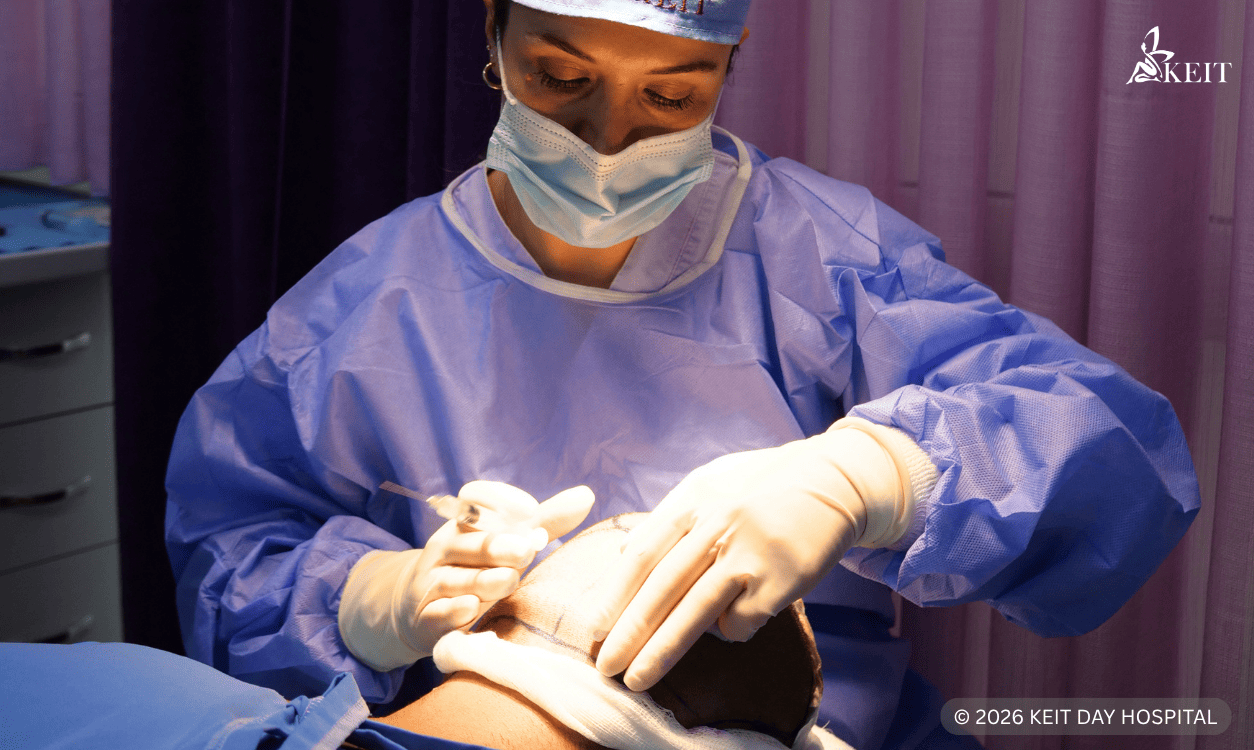
- Sterile surgical environment: Strict infection control protocols, including fully sanitized instruments and operating areas.
- Experienced surgical team: Procedures are performed by experienced medical specialists and each procedure is backed by a Certificate of Guarantee.
- Advanced technique: Procedures are performed using Micro FUE, allowing precise follicle extraction without linear scarring and minimizing trauma for optimal graft survival.
- Real-time monitoring: Continuous monitoring of vital signs and anesthetic monitoring during surgery to minimize complications.
- Post-operative follow-up: Detailed instructions, medication, and regular check-ups to prevent infection, reduce swelling, and ensure proper graft healing.
- Patient education: Clear guidance on post-surgery care and lifestyle measures to protect grafts and maximize outcomes.