Published on:
 Modified on:

 Reading Time: 4 min
 Hair transplant
 recovery is the healing phase after the procedure, during which the scalp recovers, grafts stabilise, and new hair gradually begins to grow. Mild symptoms such as redness, scabs, swelling and temporary shedding are common in the early stages and improve as healing progresses. With proper care and realistic expectations, recovery is typically smooth and leads to gradual, natural-looking results over time.
 Table of Contents:
-
1
 What to expect immediately after hair transplant procedure
-
2
Hair transplant recovery time: What happens in the first hours, days and weeks
-
3
When and how to wash your hair after a hair transplant
-
4
Hair transplant scabs: How long do they last?
-
5
Hair transplant swelling: What is normal and how to reduce it
-
6
Shock loss and shedding after hair transplant
-
7
Post care after hair transplant: What to avoid
-
8
When to contact your surgeon during hair transplant recovery
This guide explains what to expect immediately after the procedure, how hair transplant recovery progresses in the first hours, days and weeks, and when hair washing begins. It also covers scabs, swelling, shock loss and shedding, what to avoid during recovery, and when to contact your surgeon.
What to expect immediately after hair transplant procedure
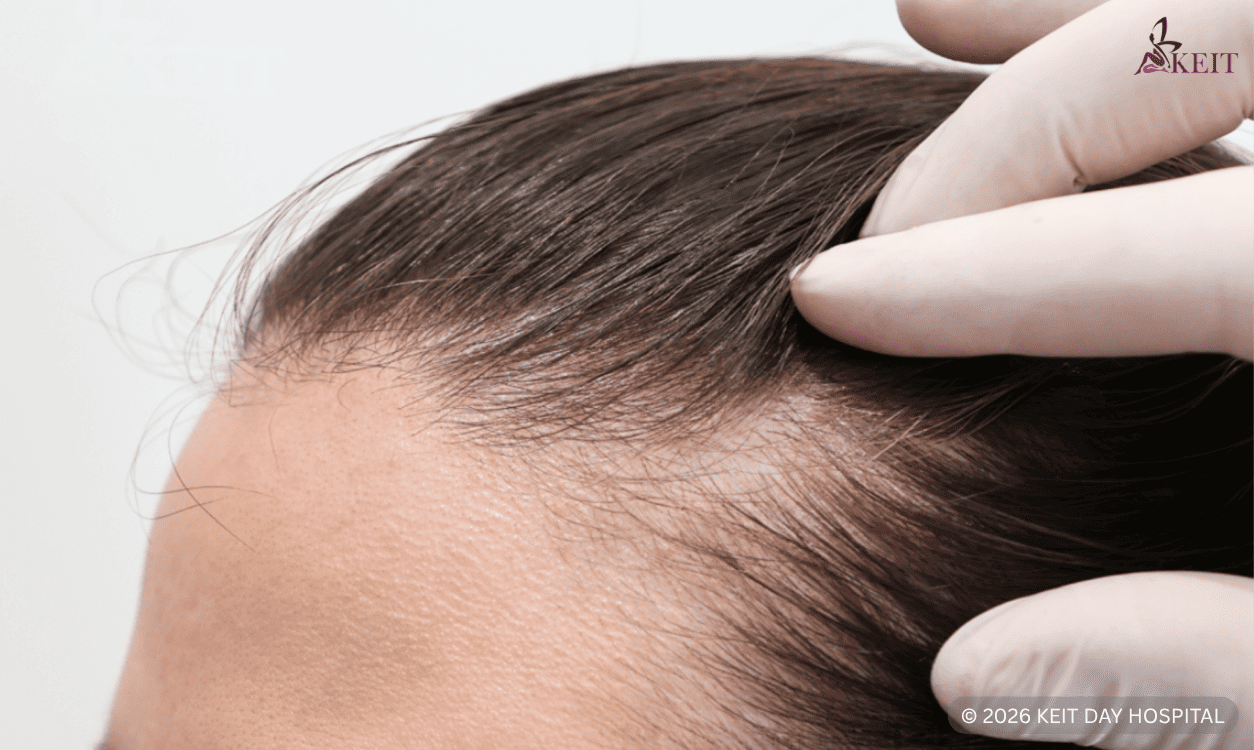
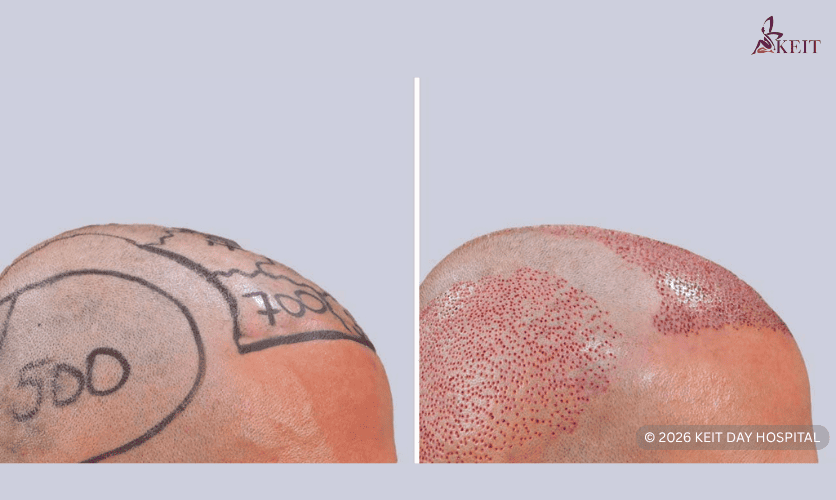
Immediately after a hair transplant procedure, the scalp enters an early healing phase where mild, temporary reactions are expected as part of the normal hair transplant recovery process.
- Mild redness, sensitivity and a tight feeling in the scalp are common in the donor and recipient areas.
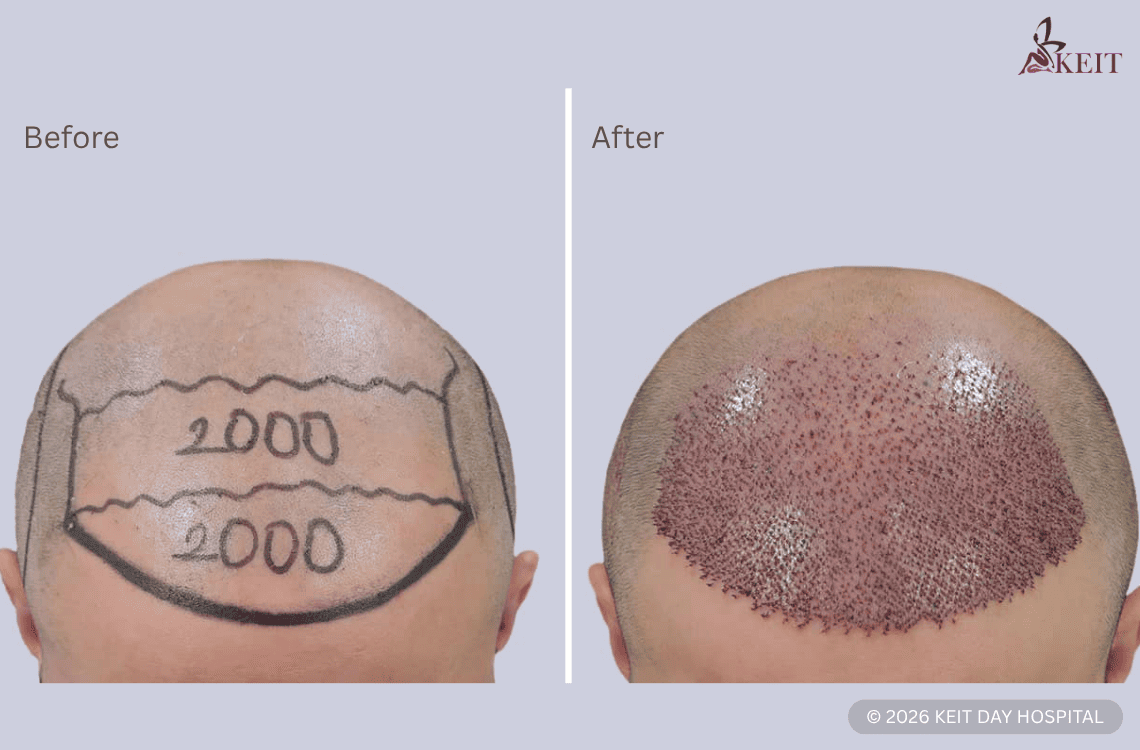
- Small scabs form around the implanted grafts.
- Slight swelling may appear, especially around the forehead.
- Itching and tenderness can develop as healing begins.
Hair transplant recovery time: What happens in the first hours, days and weeks
Hair transplant recovery time begins immediately after the procedure, with early changes in the first hours followed by visible healing progression over the next few days.
- First hours: The scalp appears red and sensitive, with mild discomfort and tightness; tiny graft sites are visible, and initial clotting begins around each follicle to stabilise the implants.
- Days 3–5: Mild swelling may become more noticeable, scabs are clearly visible, itching can increase, and the scalp may still feel tender while healing continues.
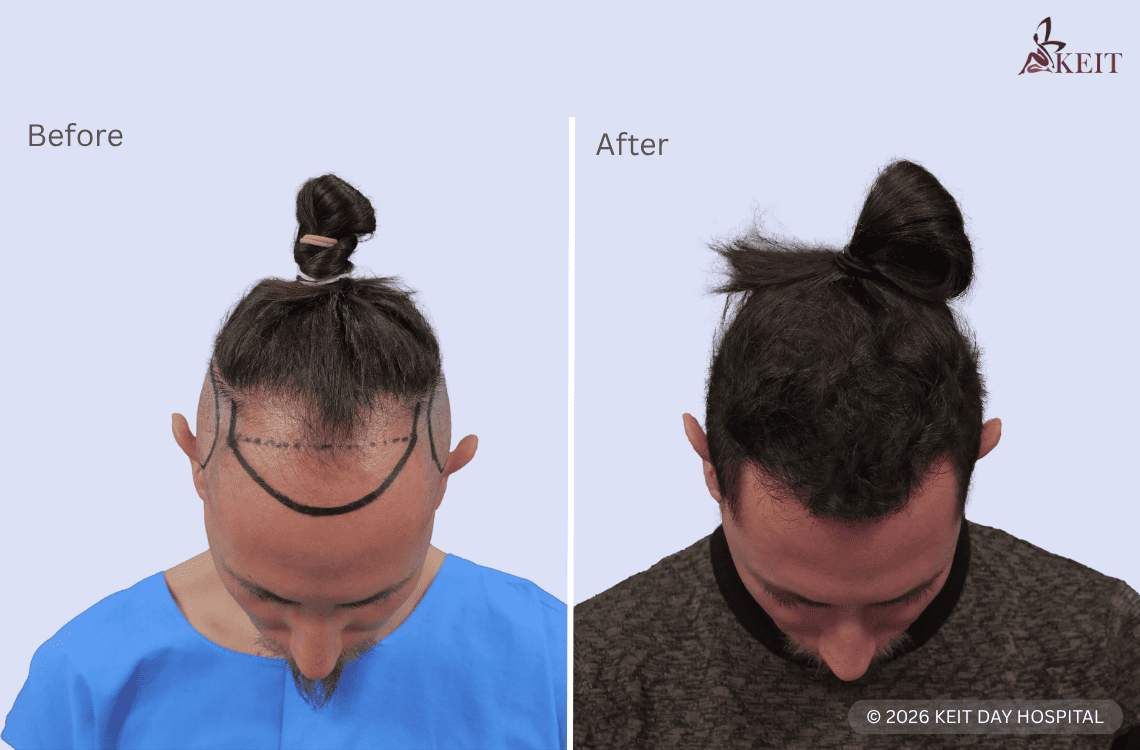
Hair transplant week by week
- Week 1: Redness, mild swelling, scabs and scalp sensitivity are common, while the grafts are still settling into place.
- Week 2: Most scabs begin to clear, the grafts are more secure, and the scalp looks less inflamed, although some redness may remain.
- Weeks 2–4: Temporary shedding, often called shock loss, can begin as transplanted hairs enter a resting phase.
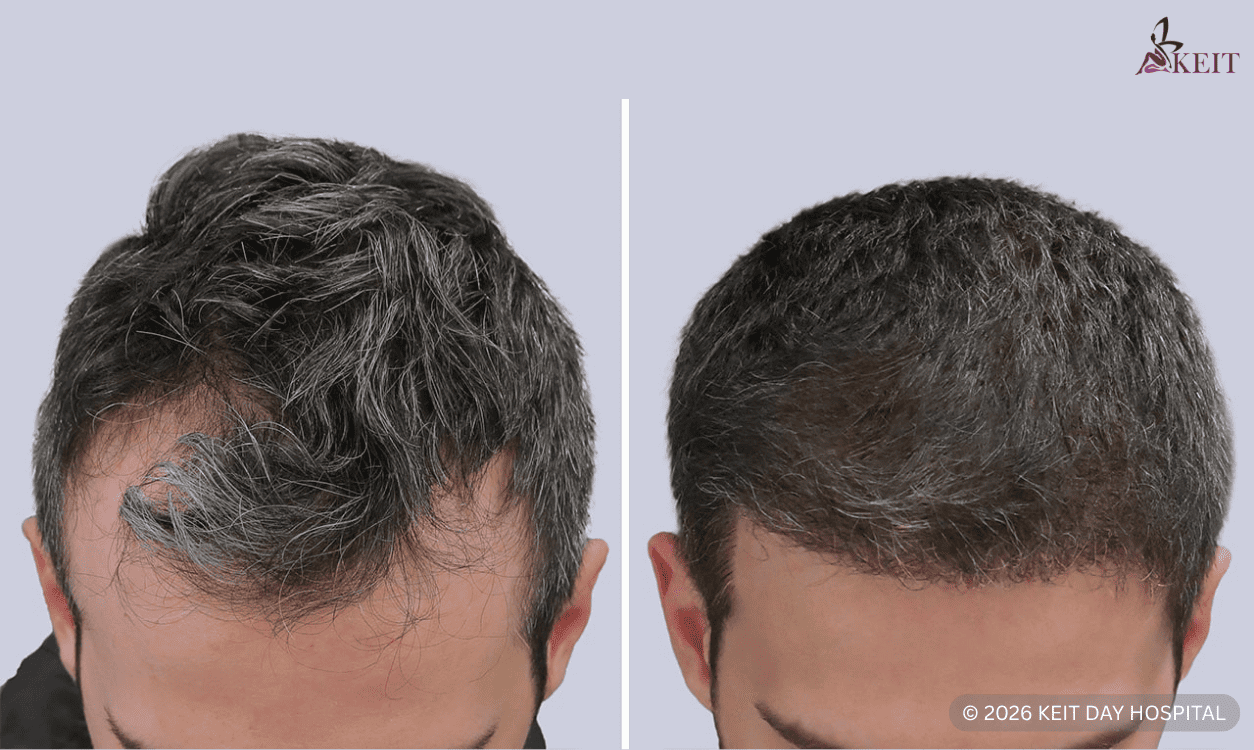
- Month 2–3: The scalp looks healed, but visible growth is still limited and this stage can feel slow for many patients.
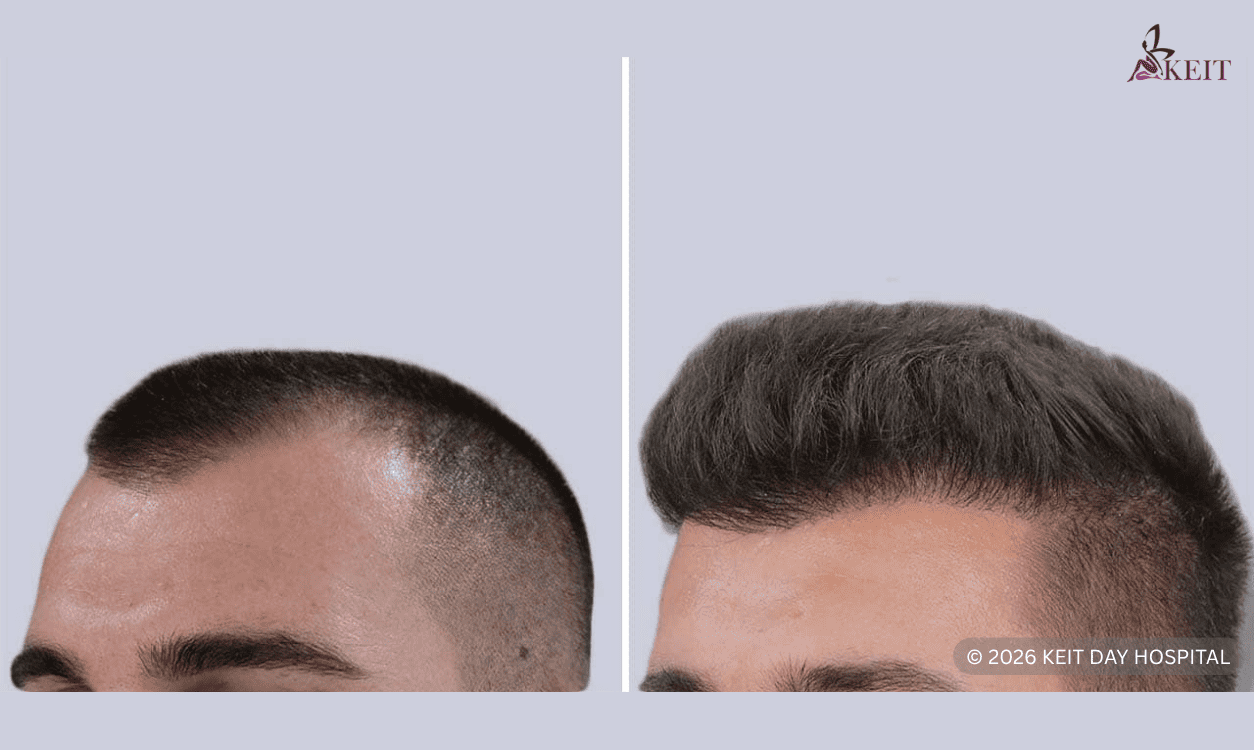
- Month 3–4: Early new hair growth often starts to appear, although the hairs may still look fine, light or uneven at first.
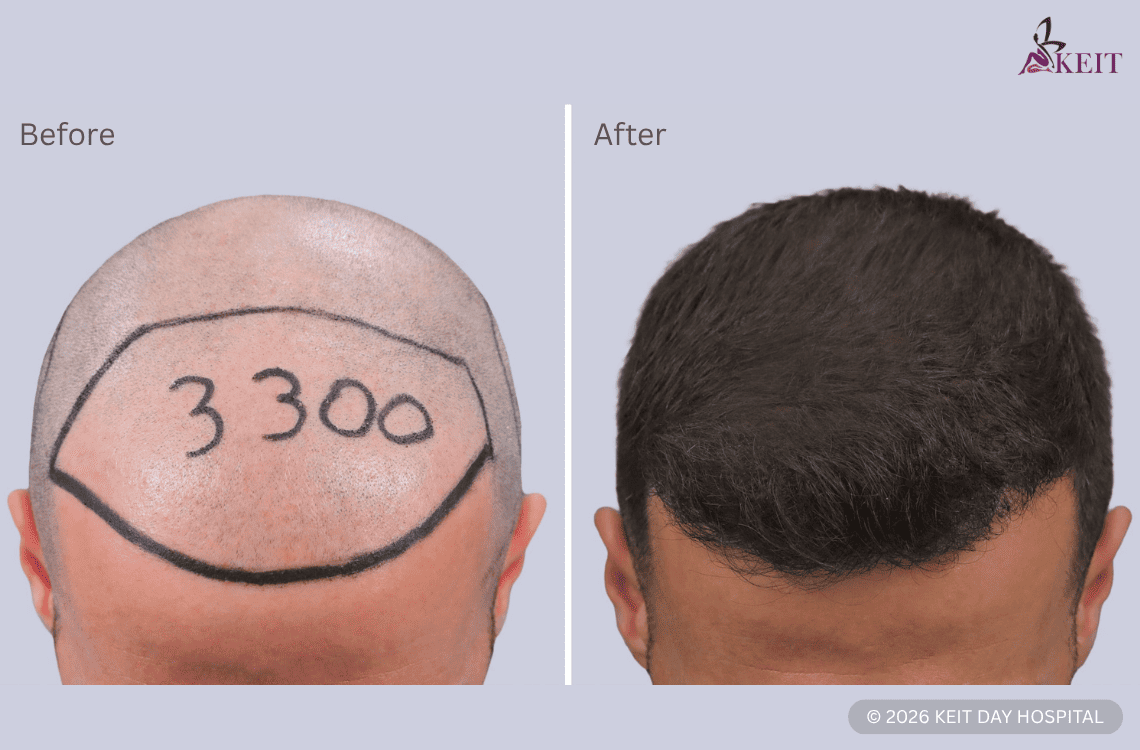
- Month 6+: Hair becomes progressively thicker, fuller and more noticeable, with ongoing improvement in density and overall result.
When and how to wash your hair after a hair transplant
Hair washing usually begins in the first few days, or according to the clinic’s protocol, and it plays an important role in a smooth hair transplant recovery. The aim is to cleanse the scalp carefully while allowing the grafts to remain undisturbed.
Washing is done with lukewarm water using light movements, while the treated area is handled gently without rubbing, scratching or massaging the scalp. Proper washing is an important part of hair transplant aftercare because it helps reduce crusting, irritation and unnecessary trauma during the early healing phase.

Hair transplant scabs: How long do they last?
Hair transplant scabs are a normal part of the early healing process and typically remain temporary. They form around the grafts as the scalp heals and generally clear within the first two weeks. During this stage, the area should be left to heal naturally, as picking or forcing the scabs off can irritate the scalp and affect recovery.
Hair transplant swelling: What is normal and how to reduce it
Swelling after hair transplant is normal, temporary and most often appears around the forehead or upper face during the first days after the procedure. It does not affect every patient, but when it occurs, it usually improves gradually as the early healing phase progresses.
To help reduce swelling, the following are recommended:
- Sleeping with the head elevated, especially during the first nights.
- Avoiding bending forward or sudden head movements.
- Keeping physical activity limited in the early recovery phase.
- Following the clinic’s post-operative instructions.
Shock loss and shedding after hair transplant
Shedding after hair transplant refers to the temporary loss of the transplanted hair shafts during recovery, while shock loss can also involve temporary shedding of the surrounding native hair due to the stress of the procedure.
Both can happen in the early weeks after surgery and are part of the normal hair transplant recovery process. In most cases, the follicles remain in place under the skin, and new growth begins gradually over the following months.
Post care after hair transplant: What to avoid
Certain habits and activities should be avoided during early recovery, including:
- Touching, rubbing or scratching the scalp.
- Picking scabs or applying pressure to the treated area.
- Intense physical activity, heavy sweating or frequent bending.
- Direct sun exposure or early use of tight hats and helmets.
- Alcohol, smoking or not following aftercare guidance.
When to contact your surgeon during hair transplant recovery
Hair transplant recovery is usually smooth, but certain symptoms require medical evaluation. Contact your surgeon if you notice:
- Persistent or increasing pain that does not improve with the prescribed treatment.
- Signs of infection, such as marked redness, warmth, discharge, or fever.
- Swelling that worsens or lasts longer than expected.
- Bleeding that does not stop with gentle pressure.
- Delayed healing or unusual scalp changes in the donor or recipient area.