Published on:
 Modified on:

 Reading Time: 5 min
 Aesthetic Treatments
Lipolysis is a non-surgical procedure designed to target and reduce stubborn fat in specific areas of the body that don't respond to diet or exercise. Using techniques like injectable solutions, lasers and ultrasound, lipolysis breaks down fat cells, which are then naturally eliminated by the body. It’s commonly used to enhance body contour and improve the appearance of areas such as the abdomen, thighs and double chin.
 Table of Contents:
-
1
 What is lipolysis and who is it suitable for?
-
2
Lipolysis treatment: Main zones which can be treated
-
3
Main types of lipolysis treatments
-
4
Lipolysis explained: How the treatment works
-
5
Lipolysis before and after: Results timeline
-
6
Recovery after lipolysis and aftercare tips
-
7
Potential risks and complications of lipolysis
-
8
Who should avoid lipolysis? Contraindications explained
-
9
Lipolysis vs liposuction: What’s the difference?
In this comprehensive guide, we will explore the lipolysis treatment process, how it works and what you can realistically expect from the procedure. We’ll discuss the main treatment areas, types of lipolysis methods and provide an overview of the treatment journey. You’ll also learn about recovery, potential risks and aftercare tips. By the end of this guide, you’ll have a clear understanding of whether lipolysis is the right solution for reducing stubborn fat and enhancing your body contour.
What is lipolysis and who is it suitable for?
Lipolysis is a non-invasive treatment that helps reduce stubborn fat in localized areas. Lipolysis injections are a popular method used to target small areas where fat is resistant to exercise and diet. This treatment works by breaking down fat cells using various methods such as injectable solutions (deoxycholic acid), laser energy, or ultrasound waves. The body then naturally eliminates the fat over time.
Injection lipolysis is ideal for individuals who are in good general health but struggle with localized fat deposits. It’s particularly suitable for those seeking a non-surgical solution for body contouring, with minimal downtime.
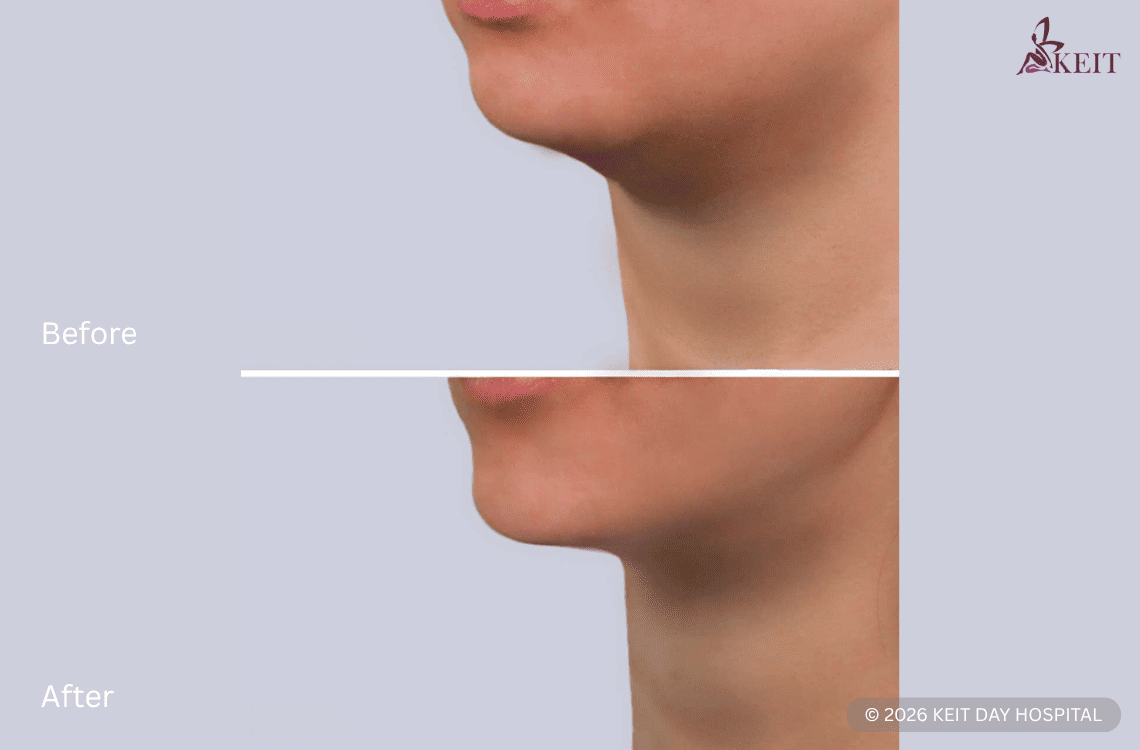
Lipolysis treatment: Main zones which can be treated
Lipolysis treatments, including lipolysis injections, can be used to treat various problem areas where stubborn fat tends to accumulate. The most common zones targeted by lipolysis include:
- Abdomen: Ideal for reducing belly fat and contouring the stomach area.
- Thighs: Helps reduce fat in both the inner and outer thighs.
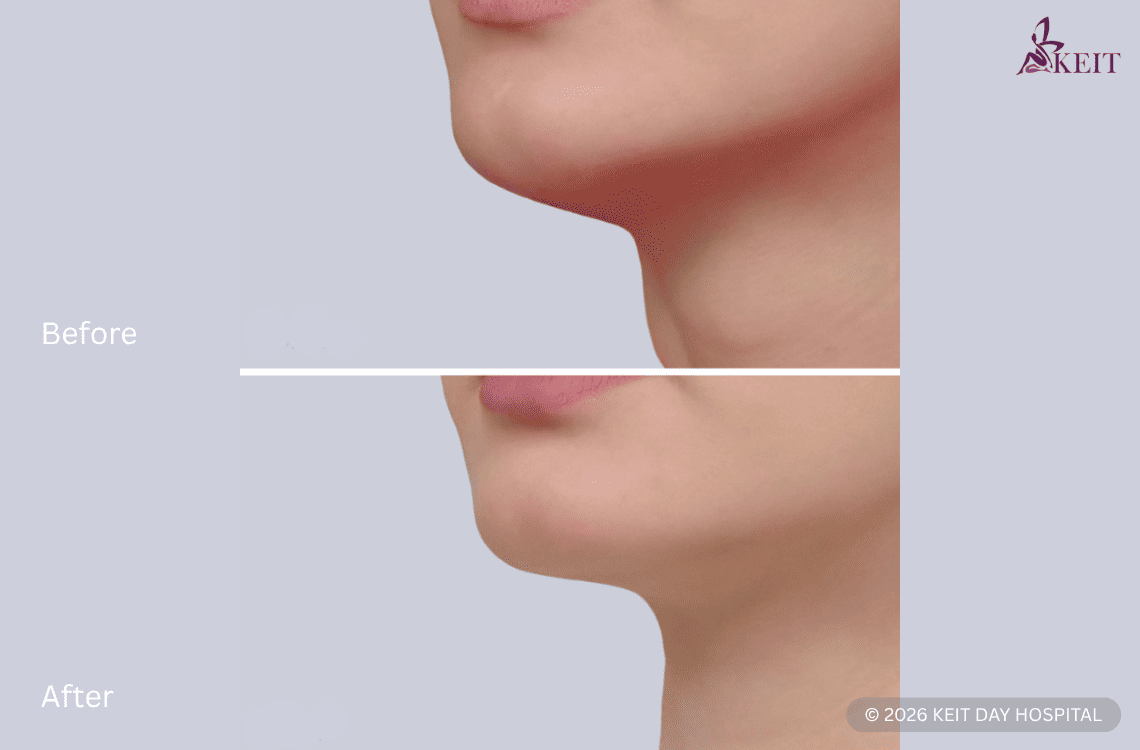
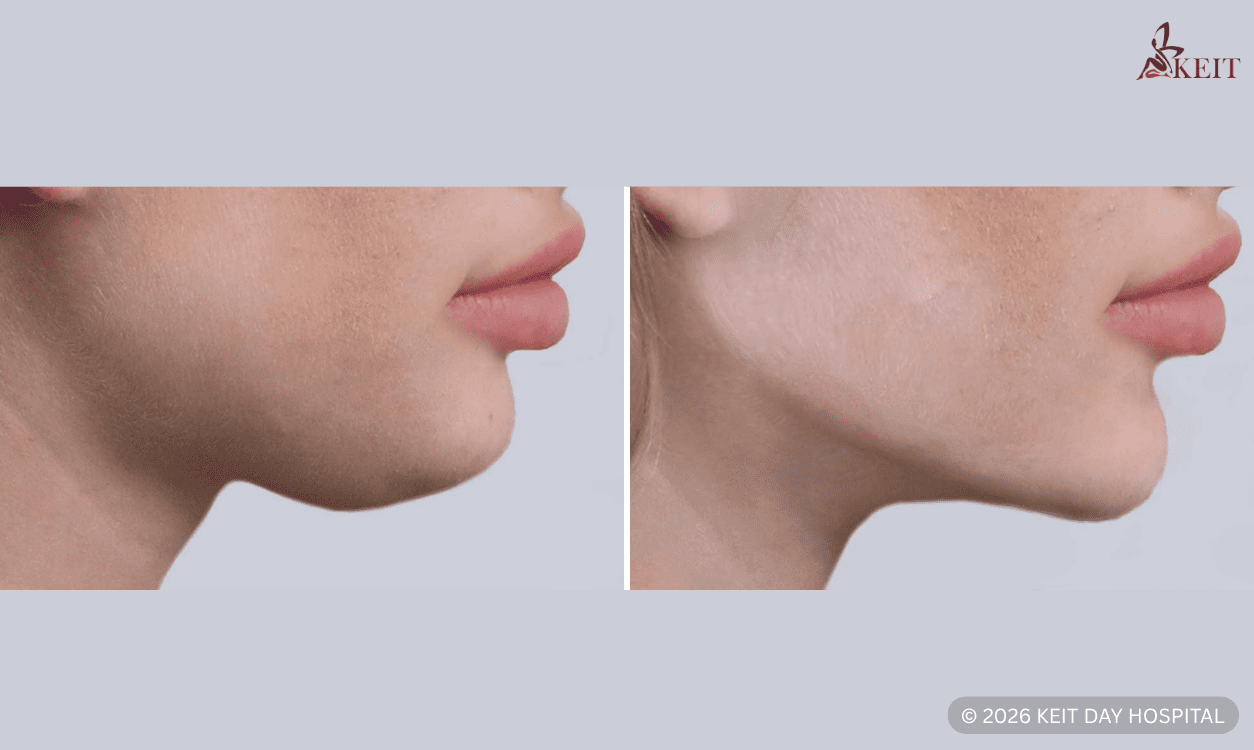
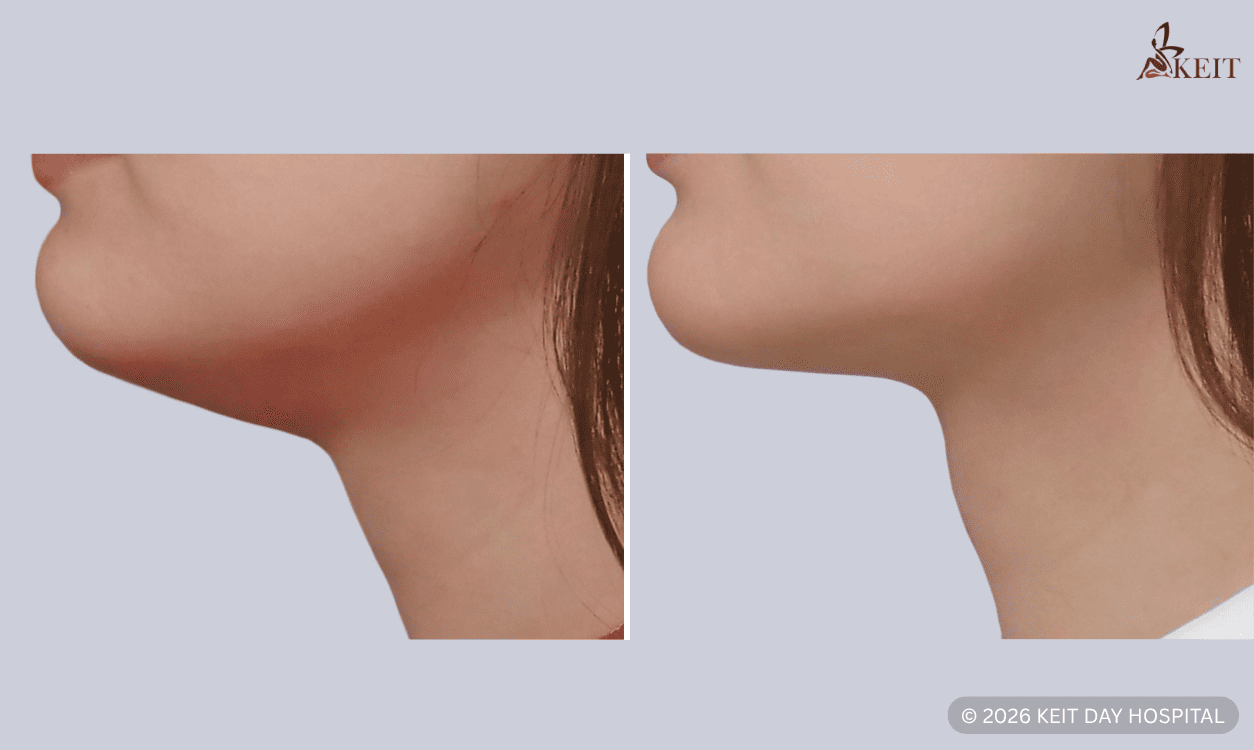
- Double chin: Lipolysis injections are widely used to reduce fat under the chin, helping to create a more defined jawline.
- Flanks (love handles): Fat deposits around the waistline can be reduced, improving overall body shape.
- Arms: Targets fatty areas in the upper arms, contributing to a slimmer appearance.
- Back: Reduces fat in the upper or lower back area, enhancing body contours.
- Knees: Often used for reducing fat deposits around the knees to create a smoother, more toned look.
Main types of lipolysis treatments
There are several methods of lipolysis treatment, each designed for different needs and fat areas:
- Injectable lipolysis (fat-dissolving injections): This involves injecting a fat-dissolving solution (deoxycholic acid) into the fat cells. It’s ideal for small, localized fat areas such as under the chin and on the thighs.
- Laser lipolysis: Laser energy is used to break down fat cells and tighten the skin. It’s often employed for body contouring, especially in areas where fat is more resistant.
- Ultrasound lipolysis: Uses high-frequency sound waves to target and break down fat cells. It’s suitable for deeper fat layers that may not respond as well to injectable methods.
- Radiofrequency lipolysis: Uses radiofrequency energy to break down fat while also tightening the skin, offering both fat reduction and skin firming benefits.

Lipolysis explained: How the treatment works
The process of lipolysis treatment follows a structured, medically controlled method:
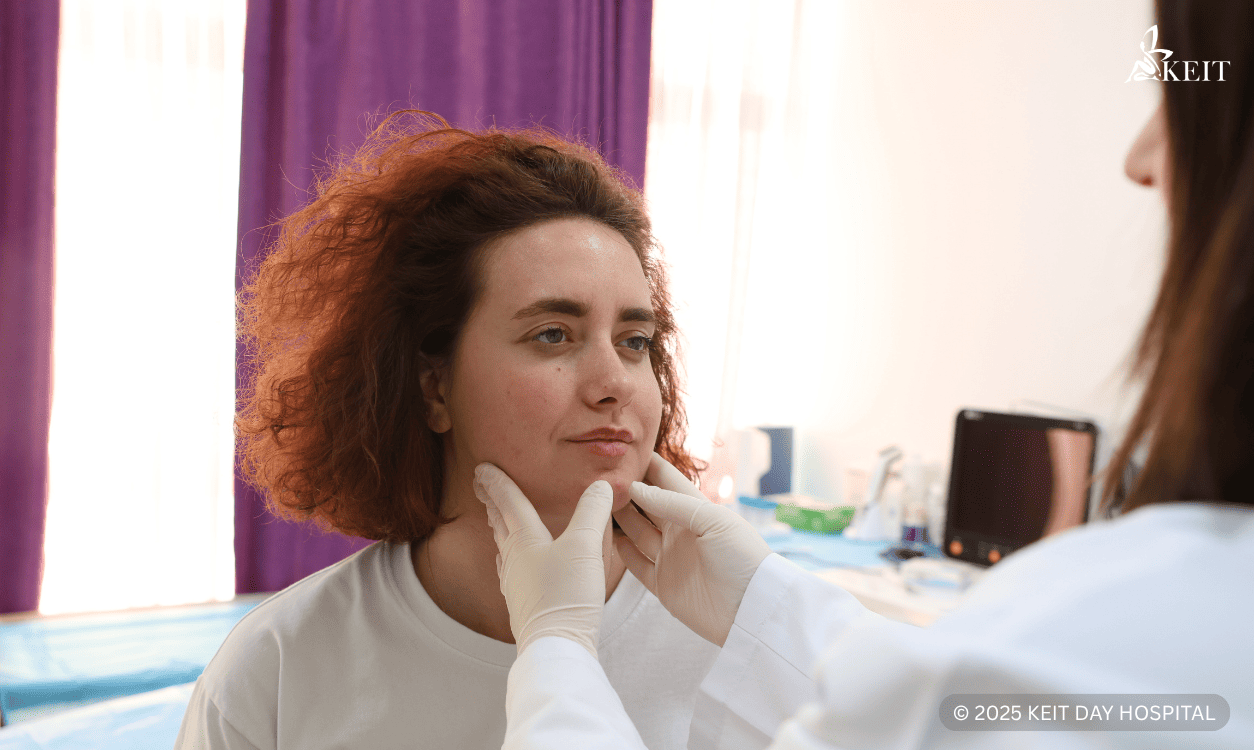
- Pre-treatment evaluation: A medical professional assesses the fat area, its size and distribution.
- Preparation: The targeted area is cleaned and the appropriate treatment method (injection, laser, ultrasound) is selected.
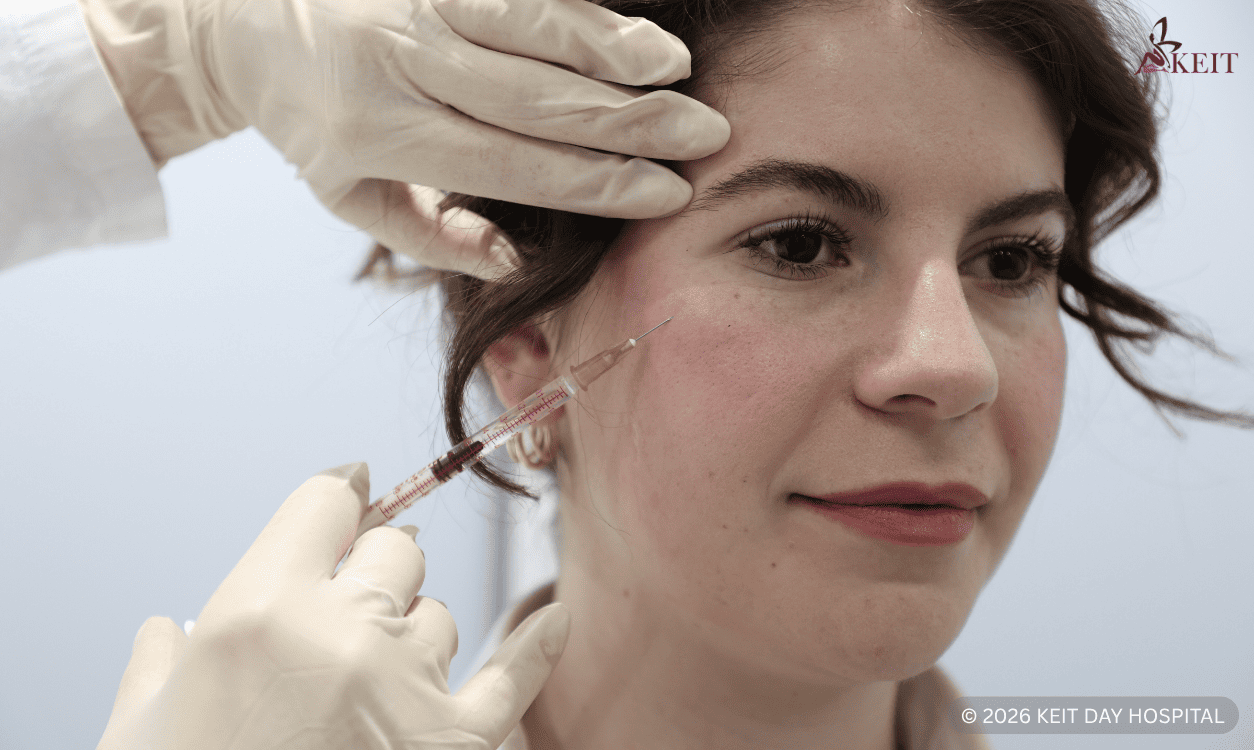
- Injection phase (for injectable lipolysis): For injectable treatments, a fine needle is used to inject the fat-dissolving solution directly into the targeted fat.
- Fat breakdown: The fat cells in the treated area are broken down by the treatment and eventually absorbed by the body.
- Compression support: Compression garments may be worn to help support the healing process and improve the treatment results.
A typical lipolysis session lasts between 20 and 60 minutes, depending on the number of areas treated.
Lipolysis before and after: Results timeline
After lipolysis, improvements in the treated area become noticeable over time. Full results, with the body gradually eliminating the fat, are usually evident within 2–3 months. The timeline for achieving optimal results depends on the size and complexity of the treatment area. For most individuals, 2–4 sessions are needed to achieve the desired outcome, with each session spaced approximately 4–6 weeks apart.
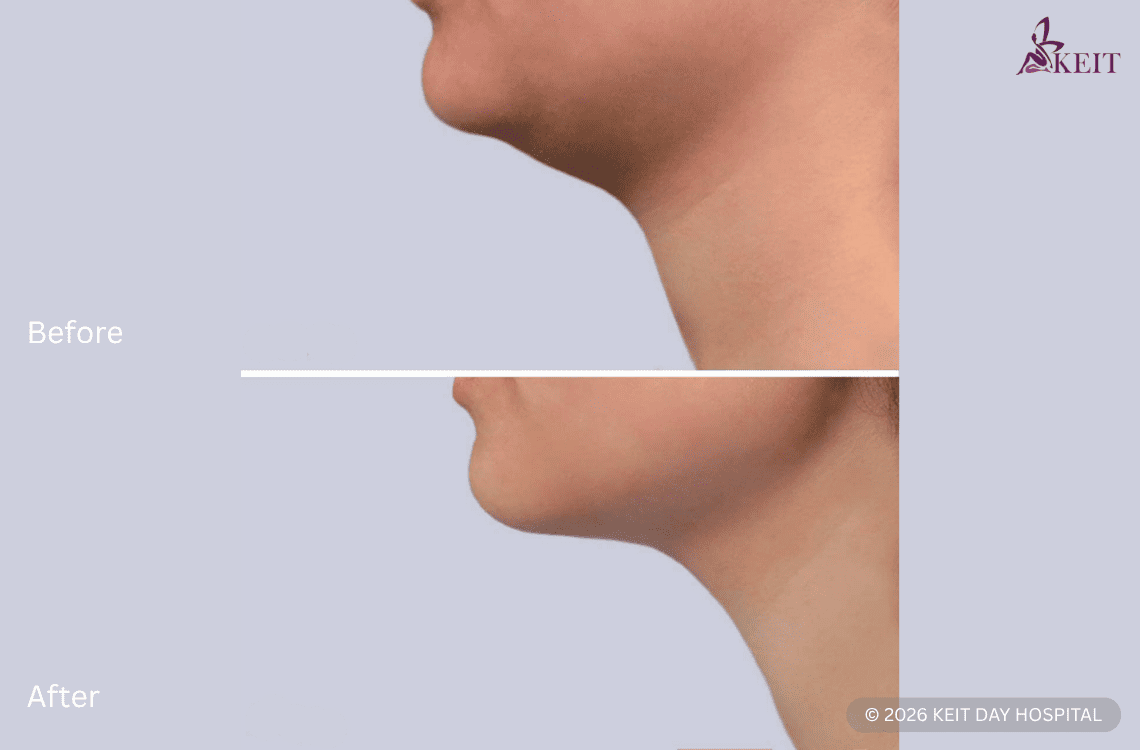
Recovery after lipolysis and aftercare tips
Recovery from lipolysis treatments is usually quick, with minimal downtime:
- First 24–48 hours: Mild redness, swelling, or bruising at the injection sites.
- Days 3–7: Discomfort decreases and the body starts processing the broken-down fat.
- Weeks 2–6: The treated area begins to visibly improve, with the fat cells gradually being absorbed.
- Months 2–3: Final results become apparent as fat reduction continues.
Aftercare recommendations include wearing compression garments as prescribed, avoiding intense physical activity for a short period and engaging in light movement (walking) to support circulation and healing.
Potential risks and complications of lipolysis
While lipolysis treatments are usually safe, there are potential risks, especially when performed incorrectly or by an unqualified professional. These include:
- Common side effects: Temporary redness, swelling, bruising, mild tenderness, or itching at the injection sites.
- Procedure-related risks: Skin discoloration, small lumps, or mild inflammation along treated veins.
- Rare complications: Allergic reactions to the fat-dissolving solution, skin ulceration, infection, or vein inflammation.
Choosing a qualified, experienced practitioner is essential to minimize risks.
Who should avoid lipolysis? Contraindications explained
Lipolysis may not be suitable for certain individuals due to health or safety concerns. Specifically, it is not recommended for those who:
- Are pregnant or breastfeeding.
- Have active skin infections in the treatment area.
- Have severe medical conditions, such as heart disease or diabetes.
- Have known allergies to any of the substances used in lipolysis injections.
A thorough consultation with a healthcare professional is crucial to ensure lipolysis treatment is appropriate for your condition.
Lipolysis vs liposuction: What’s the difference?
Although both lipolysis and liposuction aim to reduce fat, they differ significantly in their approach and application:
- Lipolysis: A non-surgical treatment that targets small fat deposits using injections, lasers, or ultrasound. It’s ideal for areas like the chin, abdomen and thighs, with minimal downtime and is effective for reducing stubborn fat that doesn’t respond to diet or exercise.
- Liposuction: A surgical procedure that removes fat through small incisions, requiring anesthesia and longer recovery. It’s better for larger areas of fat and provides more dramatic results in one session.
While lipolysis is preferred for smaller, non-invasive fat reduction, liposuction is typically chosen for more extensive fat removal, especially in patients with larger fat deposits.