Published on:
 Modified on:

 Reading Time: 4 min
 Rhinoplasty
A bulbous nose is characterised by a rounded, wide, or prominent nasal tip, usually caused by thick skin, enlarged soft tissue, or weak and overdeveloped cartilage. Genetics, aging, or past trauma can also influence its shape. The most effective treatments depend on the cause: rhinoplasty for bulbous nose refines and reshapes the tip for permanent improvement, while non-surgical rhinoplasty offers a temporary solution to smooth and refine the nasal contour.
 Table of Contents:
-
1
 What is a bulbous nose and how to tell if you have one?
-
2
Bulbous nose: What are the main causes?
-
3
How to refine a bulbous nose: Main treatment options explained
-
4
Rhinoplasty for bulbous nose: Surgical solution for a refined nasal tip
-
5
Non-surgical rhinoplasty for bulbous nose tip: Refining shape with nose filler
-
6
Bulbous nose job before and after: Setting real expectations
-
7
Rhinoplasty for bulbous nose: Safety and considerations
In this article, we explain what a bulbous nose is, how to identify its characteristics, and the main factors that contribute to its appearance. We discuss the available treatment options, including surgical and non-surgical rhinoplasty, what results can be expected, and the safety considerations involved in bulbous nose correction.
What is a bulbous nose and how to tell if you have one?
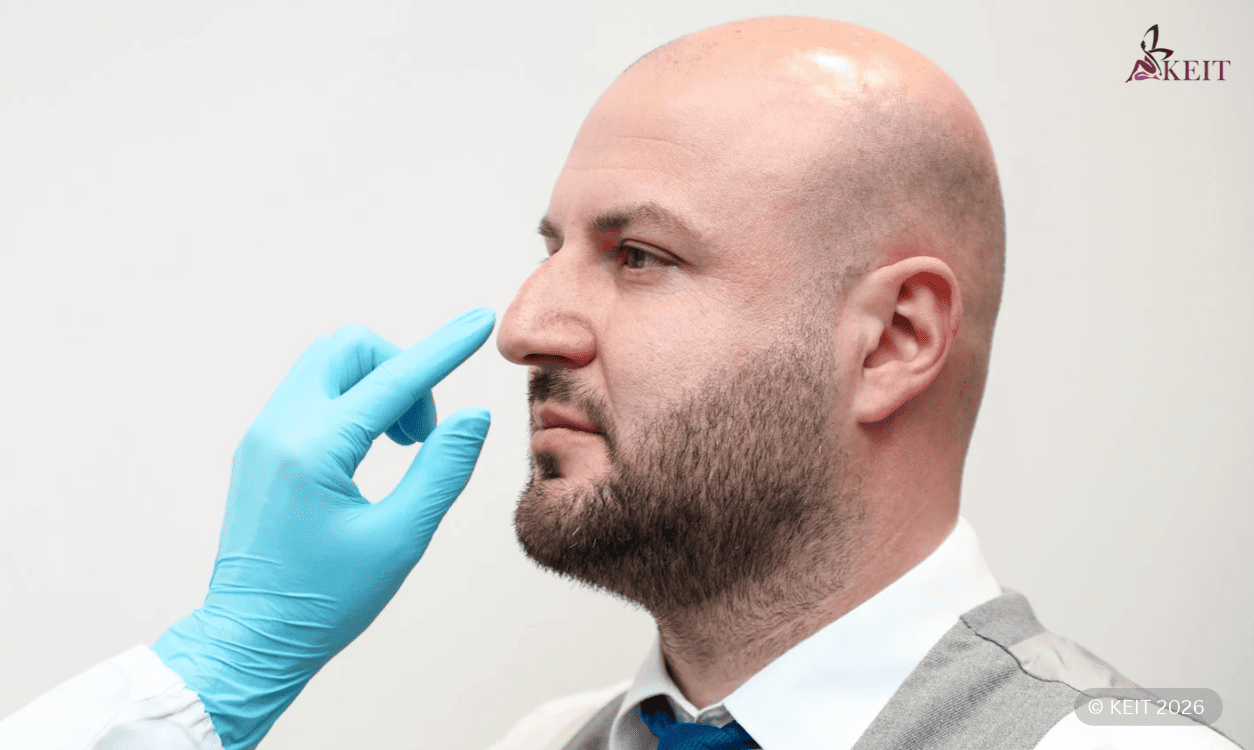
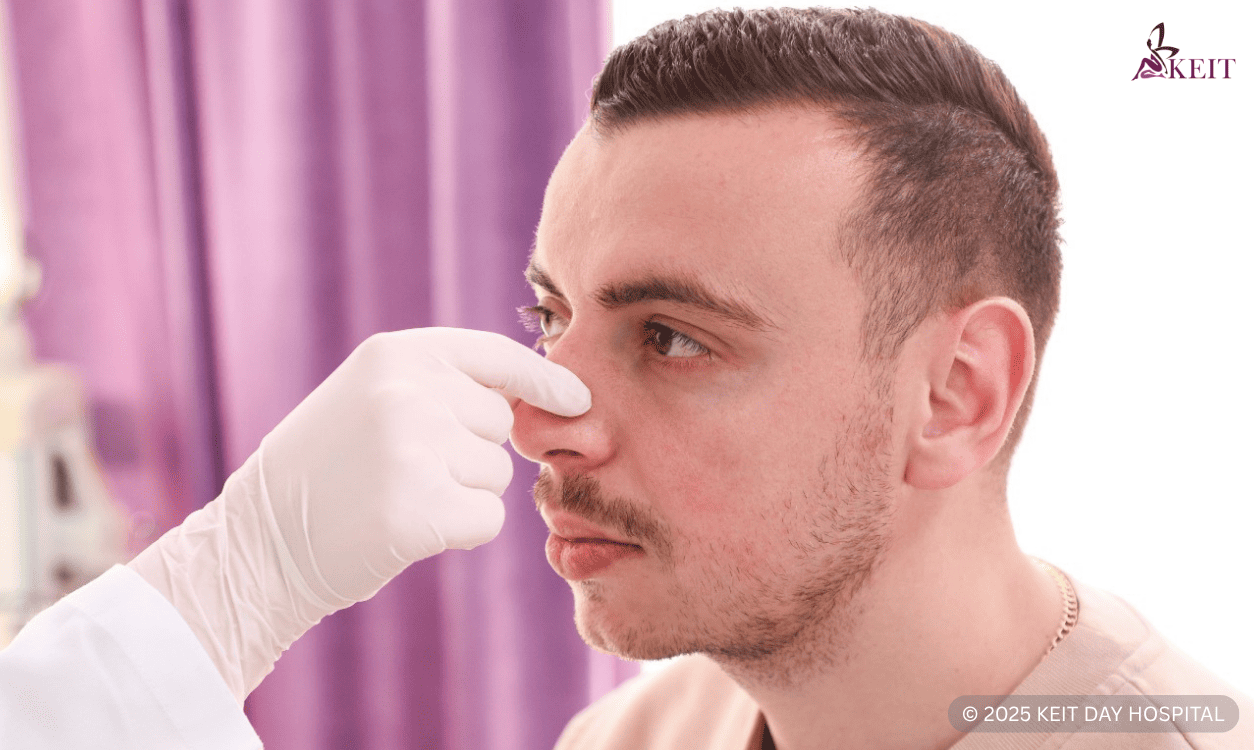
A bulbous nose refers to a nasal tip that appears broad, round, or heavy, usually caused by enlarged lower nasal cartilages or thick skin rather than bone structure. This bulbous nose tip often lacks definition, giving the lower part of the nose a firm or fleshy texture and sometimes drooping slightly when smiling. The roundness typically results from weak or wide cartilage combined with thicker skin, which can obscure natural contours. Understanding whether the issue is structural or skin-related is key to selecting the most effective treatment for achieving a refined and balanced nasal tip.
Bulbous nose: What are the main causes?
A bulbous nose typically results from a combination of hereditary, structural and skin factors that influence the nasal tip’s shape:
- Genetics: Inherited cartilage form can naturally produce a broader nasal tip.
- Cartilage shape: Wide or convex alar cartilages create roundness or mild drooping.
- Weak support: Insufficient cartilage strength reduces definition and projection.
- Thick skin: Sebaceous tissue obscures contour and enhances fullness.
- Rhinophyma of the nose: A rosacea-related condition that thickens nasal skin and enlarges the tip.
- Ageing: Gradual cartilage softening and skin laxity accentuate tip roundness.
How to refine a bulbous nose: Main treatment options explained
The choice of treatment for a bulbous nose depends on its underlying anatomy and whether a permanent or temporary improvement is desired. When the cartilage structure causes the rounded shape, a bulbous nose job, also called rhinoplasty for bulbous nose, provides the most precise and lasting correction by reshaping and supporting the lower cartilage for better definition, projection and balance.
For those preferring a less invasive option, a non-surgical rhinoplasty with dermal fillers can refine nasal contour by improving symmetry and light reflection, creating the appearance of a slimmer nasal tip. Results are immediate, lasting several months and every approach should focus on facial harmony and a natural-looking outcome.

Rhinoplasty for bulbous nose: Surgical solution for a refined nasal tip
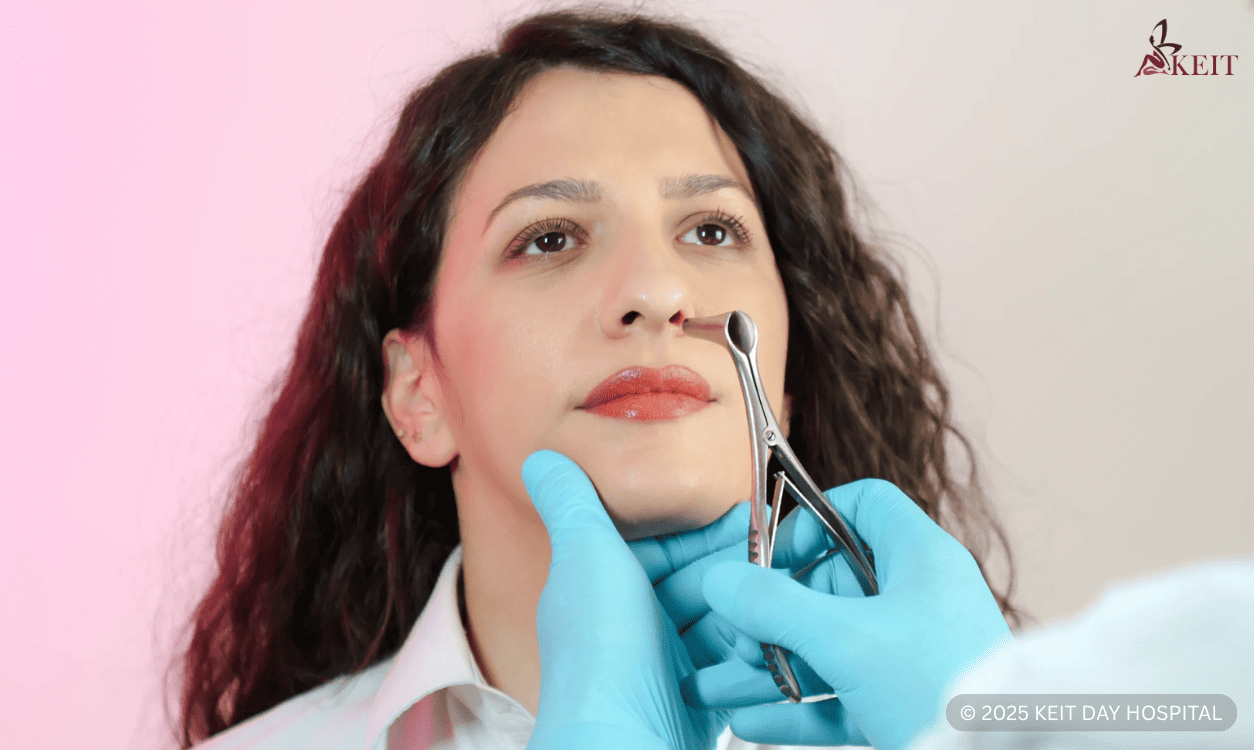
A bulbous nose rhinoplasty, or tip rhinoplasty, reshapes the lower third of the nose to refine a round or wide nasal tip. Performed under general anaesthesia and lasting about 40 minutes (longer for complex cases), it sculpts the cartilage to create a slimmer, more defined shape while preserving natural structure. During this delicate nasal tip surgery, small incisions allow precise trimming and suturing and cartilage grafts may be added for support. As swelling subsides, the nose reveals a refined, balanced and natural look with long-lasting results, enhancing overall facial harmony.
For more insight, explore our full article on what rhinoplasty is and how it works, explaining how the procedure can be personalized for each patient, including bulbous nose correction.
Non-surgical rhinoplasty for bulbous nose tip: Refining shape with nose filler
A non-surgical nose job for a bulbous nasal tip is a quick, minimally invasive treatment that refines the nasal shape using hyaluronic acid fillers.
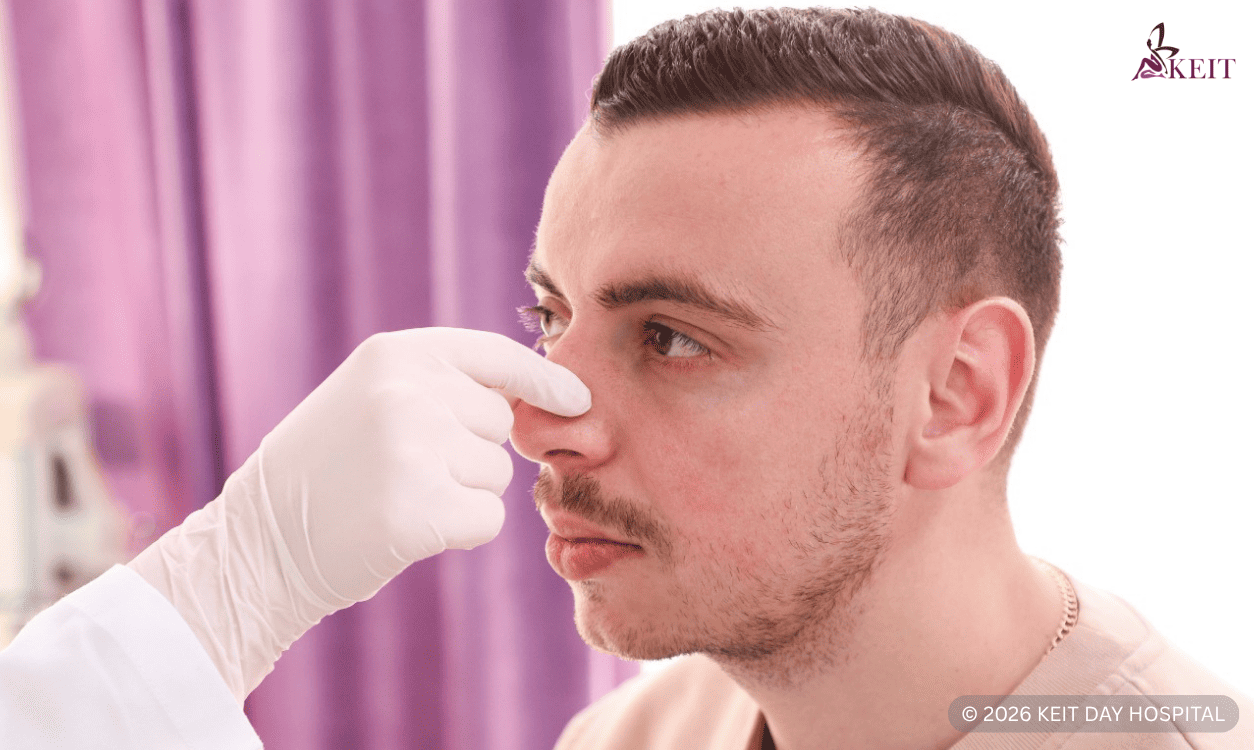
By placing filler precisely along the bridge and tip, it smooths contours and creates a slimmer, more defined look without altering cartilage or bone. Results are immediate and last 8 – 12 months before the filler naturally dissolves. This non-surgical rhinoplasty for a bulbous nose is ideal for those seeking a temporary enhancement or wanting to preview surgical results, offering a natural-looking refinement with no downtime.
Bulbous nose job before and after: Setting real expectations
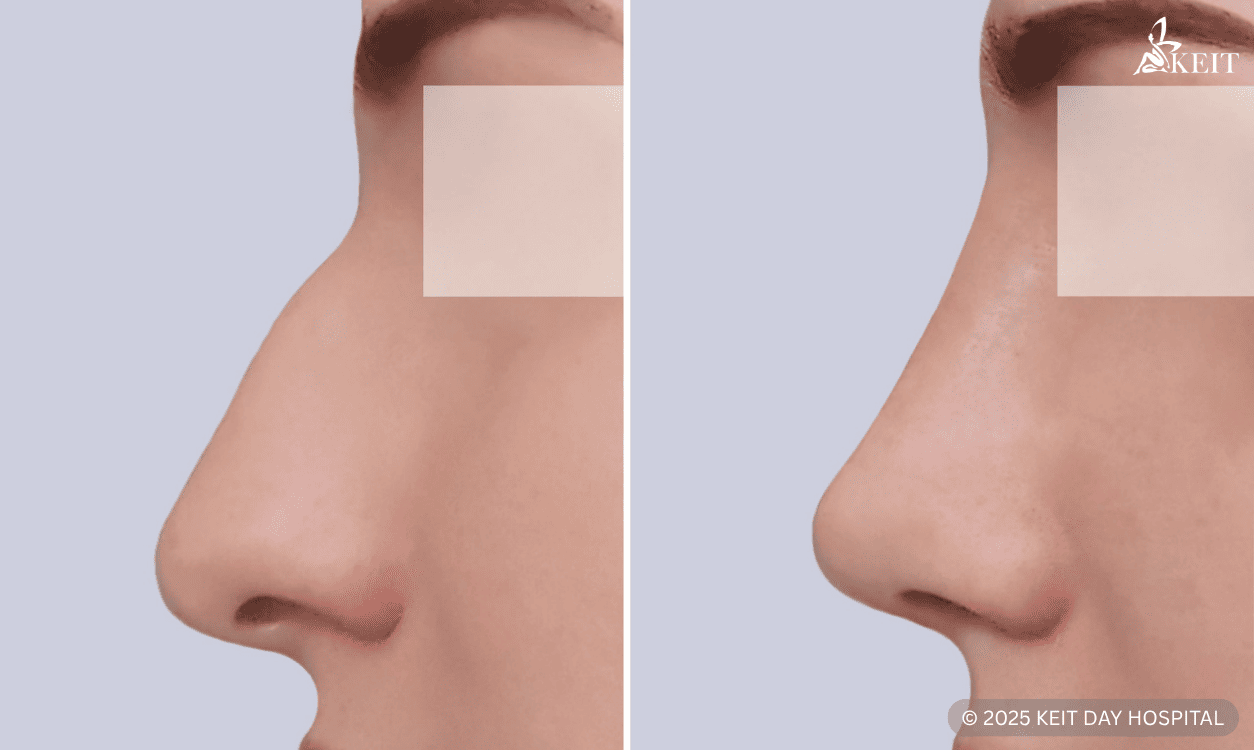
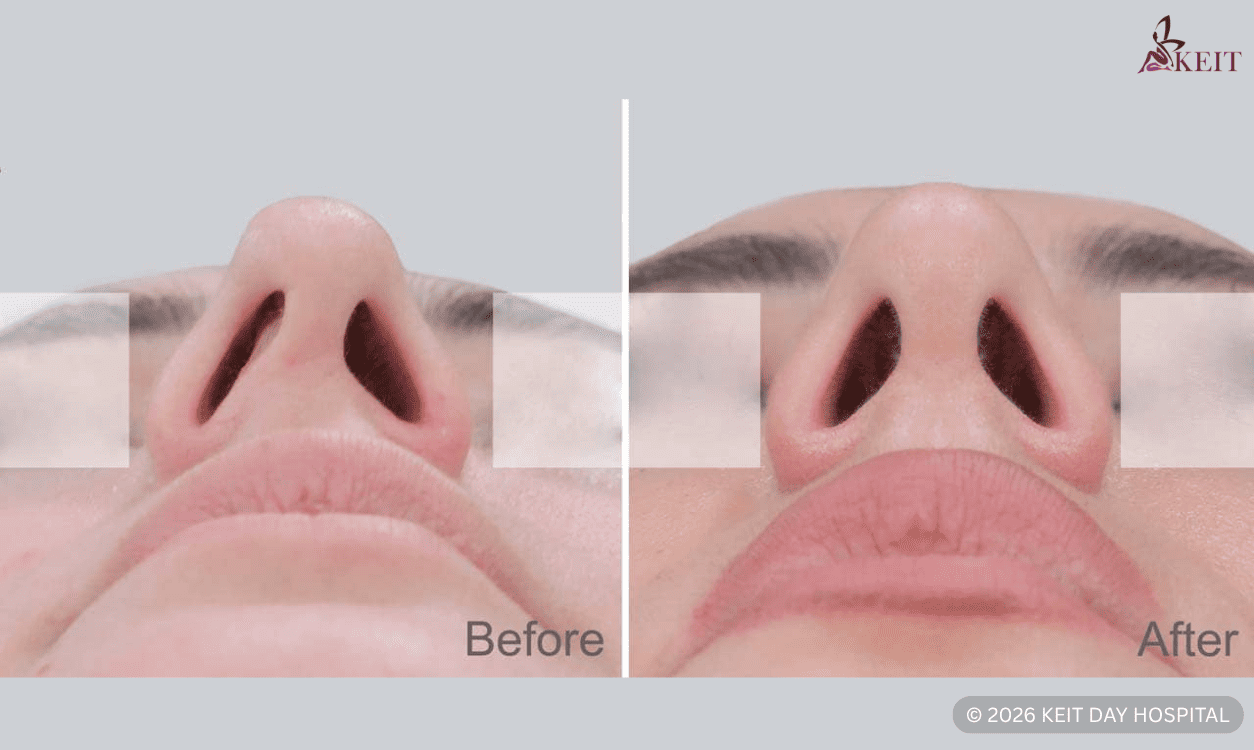
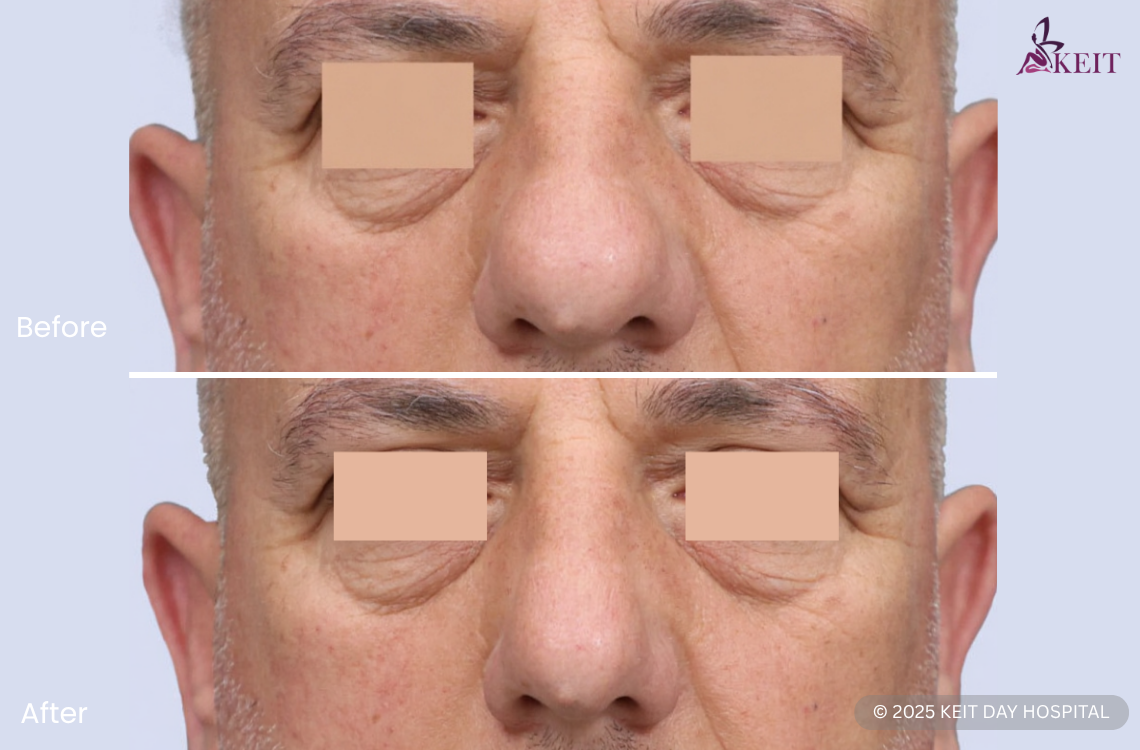
Viewing bulbous nose rhinoplasty before and after photos helps set realistic expectations and demonstrates potential improvements in nasal shape and definition. During early recovery, mild swelling, tip discomfort, or temporary congestion may occur but usually subside within weeks. As healing progresses, the nose becomes more refined and proportionate. Most patients notice smoother light reflection and a slimmer nasal tip, resulting in a natural, balanced appearance. Both tip rhinoplasty and non-surgical nose job techniques offer subtle enhancement and renewed confidence.
Rhinoplasty for bulbous nose: Safety and considerations
A bulbous nose job is usually safe when performed by an experienced surgeon. Short-term effects may include swelling, bruising, minor numbness, or temporary nasal congestion, while rarer complications involve asymmetry, persistent swelling in thick skin, or nasal obstruction if support is insufficient.
Choosing the right surgeon is essential for safety and optimal results. Look for a qualified specialist with proven experience in nasal tip surgery and visible before and after results. A skilled surgeon evaluates your anatomy, explains the plan clearly and prioritises both aesthetic and functional balance. Following post-surgery care, including protecting the nose, avoiding pressure and attending follow-up appointments, ensures a smooth recovery and lasting result.