Published on:

 Reading Time: 4 min
 Rhinoplasty
Ethnic rhinoplasty is a personalised nose surgery approach designed to improve nasal proportions, function, and facial harmony while preserving important ethnic features. Unlike traditional rhinoplasty, it considers differences in nasal anatomy, including skin thickness, cartilage strength, and nasal structure, to achieve natural-looking results.
 Table of Contents:
-
1
 What is ethnic rhinoplasty?
-
2
How does ethnic rhinoplasty differ from traditional rhinoplasty?
-
3
Who is a good candidate for ethnic rhinoplasty?
-
4
What features can be addressed with ethnic rhinoplasty?
-
5
How is ethnic rhinoplasty performed?
-
6
Ethnic rhinoplasty: recovery timeline and expected results
-
7
Risks and complications of ethnic rhinoplasty
-
8
Ethnic rhinoplasty cost in the UK: what influences the price?
In this article, we explain what ethnic rhinoplasty is, how it differs from traditional rhinoplasty, and who may be a suitable candidate for the procedure. We also cover the nasal features that can be addressed, how the surgery is performed, recovery timeline, potential risks, and the factors that influence ethnic rhinoplasty cost.
What is ethnic rhinoplasty?
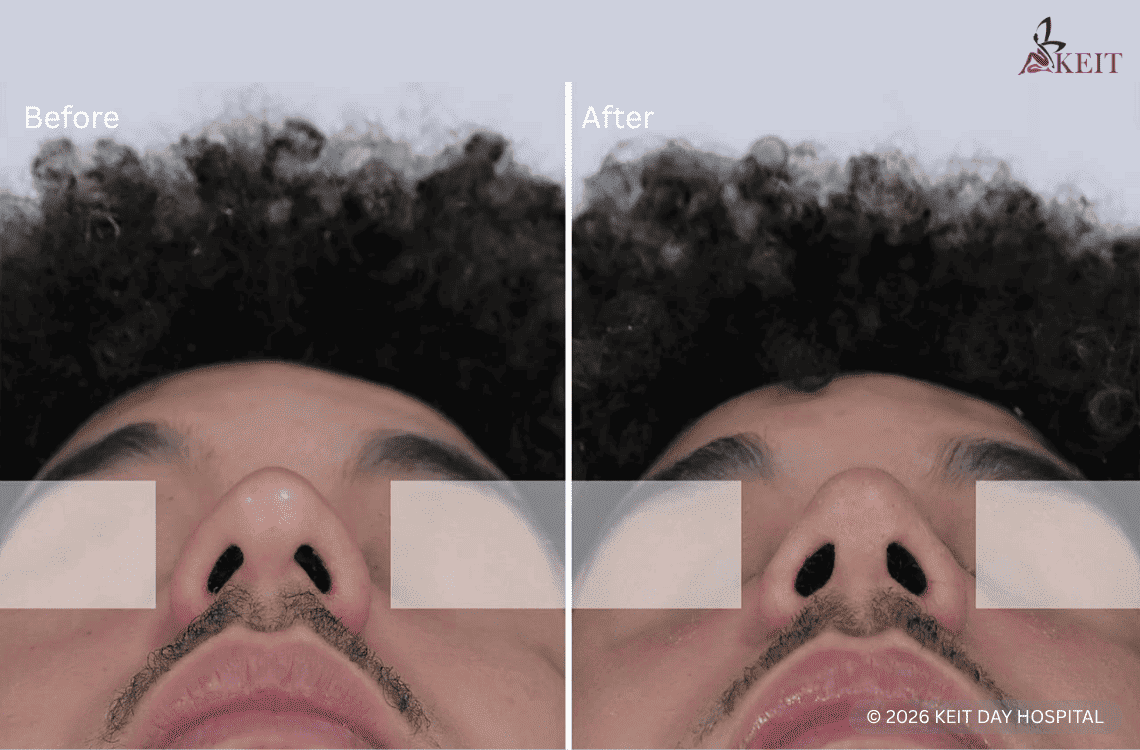
Ethnic rhinoplasty is a specialised rhinoplasty procedure designed to improve the shape, proportions, or function of the nose while preserving the patient’s ethnic characteristics. The procedure is customised according to the patient’s nasal anatomy, including the nasal bridge, tip structure, skin thickness, and overall facial proportions. The goal is to address specific nasal concerns and achieve a balanced, natural-looking result.
How does ethnic rhinoplasty differ from traditional rhinoplasty?
The main difference between ethnic and traditional rhinoplasty is that ethnic rhinoplasty requires additional consideration of specific nasal anatomy to achieve aesthetic improvements while preserving the patient’s ethnic features. Key differences include:
- Skin thickness: Ethnic rhinoplasty often requires consideration of thicker nasal skin, which can affect tip definition and the final appearance of the nose.
- Cartilage structure: Differences in cartilage strength may influence how the nose is reshaped and supported during surgery.
- Nasal bridge: Some patients may require bridge augmentation or refinement rather than reduction to achieve balanced proportions.
- Nasal base and nostrils: The width, shape, and symmetry of the nasal base may require specific adjustments depending on the patient’s anatomy.
Who is a good candidate for ethnic rhinoplasty?
A good candidate for ethnic rhinoplasty is an individual seeking improvement of specific nasal concerns while maintaining their natural facial features. Suitable candidates include individuals who:
- Want to improve nasal shape, size, or proportions.
- Wish to preserve their ethnic characteristics.
- Have realistic expectations about the outcome.
- Are in good overall health and suitable for surgery.
- Understand that results develop gradually as the nose heals.

What features can be addressed with ethnic rhinoplasty?
Ethnic rhinoplasty can address nasal features such as bridge height, tip definition, nasal width, nostril shape, and asymmetry while preserving facial balance and ethnic characteristics. Common concerns include:
- Low nasal bridge: Bridge augmentation can increase height and improve nasal profile.
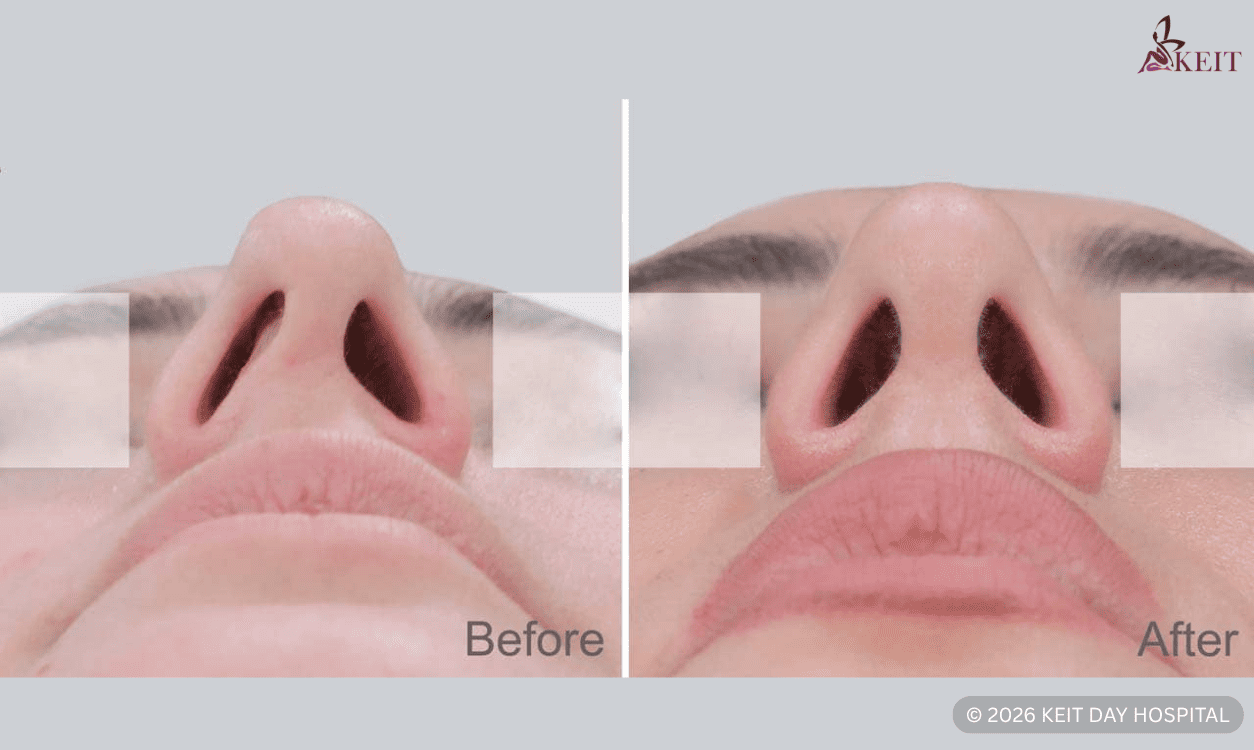
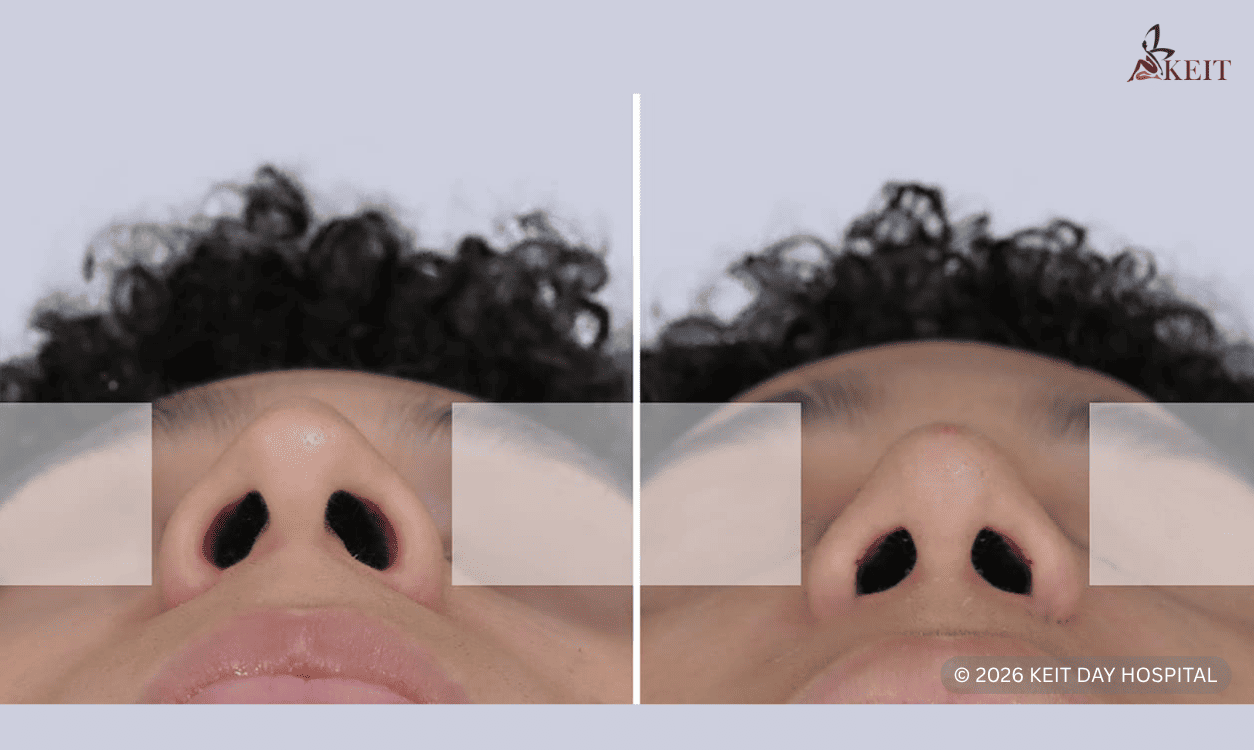
- Wide nasal base or nostrils: Alar reduction can narrow the nasal base and improve proportions.
- Less defined nasal tip: Tip reshaping can improve definition, projection, and structural support.
- Bulbous or rounded nasal tip: Cartilage reshaping can create a more refined tip while maintaining proper support.
- Nasal asymmetry: Structural adjustments can improve unevenness of the bridge, tip, or nostrils.
- Breathing concerns: Functional rhinoplasty techniques can improve airflow when structural issues affect nasal function.
How is ethnic rhinoplasty performed?
Ethnic rhinoplasty is performed under general anaesthesia and takes around 1–3 hours, depending on the complexity of the procedure. The surgeon reshapes the nasal structures through small incisions inside the nose (closed rhinoplasty) or through a small incision between the nostrils (open rhinoplasty). The nasal bones and cartilage may be modified to address concerns such as bridge height, tip definition, nasal width, or nostril shape. Cartilage grafts may be used when additional support or refinement is needed. Once the nasal reshaping is complete, the incisions are closed and a nasal splint is placed to support healing.

Ethnic rhinoplasty: recovery timeline and expected results
Ethnic rhinoplasty recovery is gradual, with swelling reducing over time and final results becoming visible within 6–12 months.
- First week: A nasal splint is worn, and swelling and bruising are common. The first post-operative check is usually performed during this period.
- First month: Swelling begins to decrease, and the nose gradually starts to take its new shape. Strenuous activities may still need to be avoided.
- 3–6 months: Most visible swelling continues to improve, with further refinement of the nasal shape.
- 6–12 months: Final results become more apparent as the nasal tissues fully heal. Patients with thicker nasal skin may experience slower swelling reduction, especially around the tip.
Patients can expect gradual improvement in nasal shape and proportion as swelling decreases. The final result is a refined nose with improved balance, better definition, and changes tailored to their individual facial features.
Risks and complications of ethnic rhinoplasty
Ethnic rhinoplasty requires careful surgical planning to minimise risks and achieve predictable results. Possible complications include:
- Prolonged swelling: Thicker nasal skin or more complex structural changes may result in a longer healing period.
- Asymmetry: Differences in healing or structural factors can affect nasal symmetry.
- Breathing changes: Alterations to nasal structures must maintain or improve airflow.
- Infection or healing issues: Poor healing responses can affect recovery and final results.
- Revision surgery: Additional procedures may sometimes be required to refine the outcome.
Ethnic rhinoplasty cost in the UK: what influences the price?
Ethnic rhinoplasty cost in the UK ranges between 8,000 and 17,000 euro, depending on the complexity of the procedure, surgeon expertise, and clinic standards. The final cost is influenced by factors such as the extent of nasal reshaping, surgical technique, whether structural support or cartilage grafts are required, surgeon experience, clinic location, anaesthesia, facility fees, and post-operative care.
cta_rhino_consult