Published on:
 Modified on:

 Reading Time: 5 min
 Total Blepharoplasty
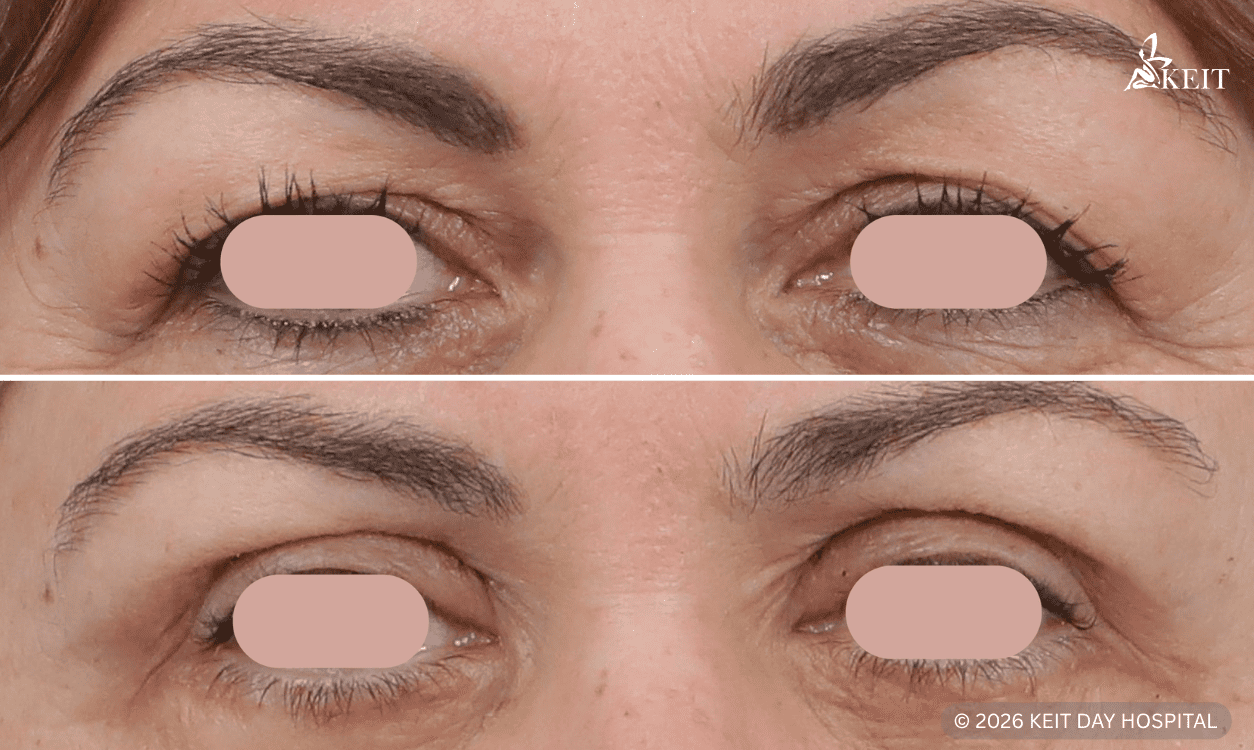
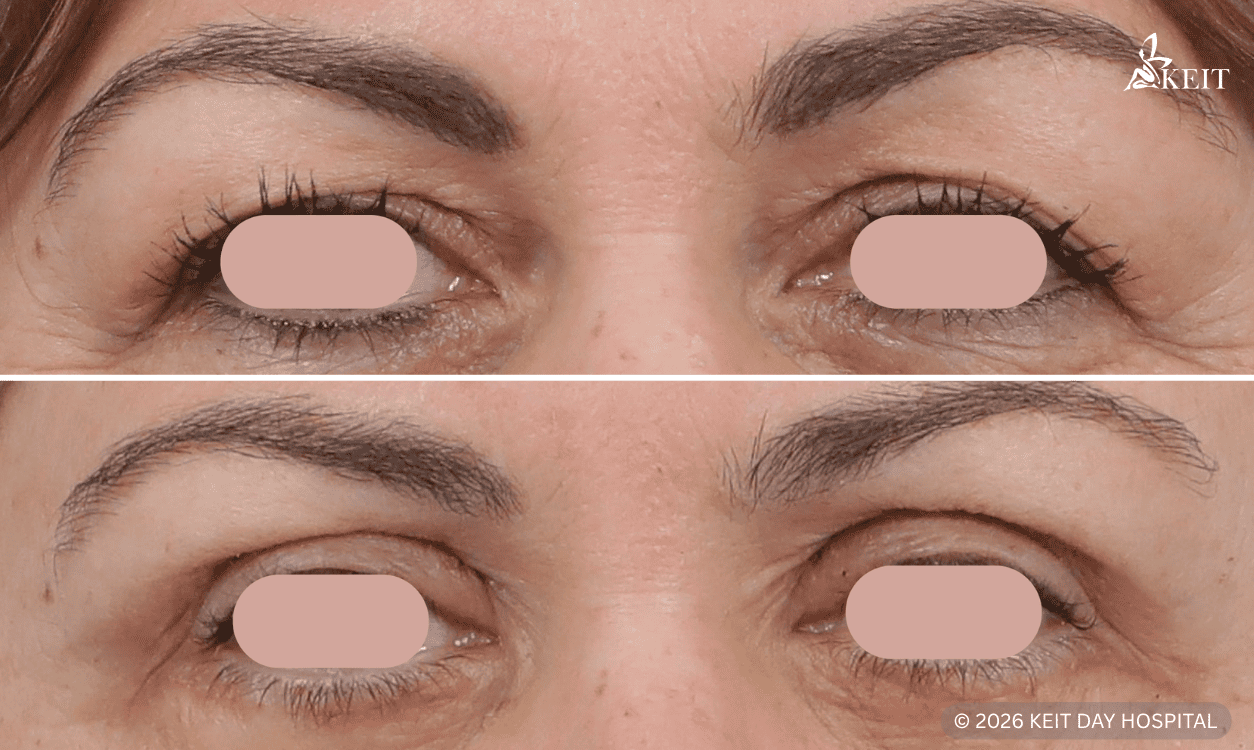
Ptosis of eyelid is a drooping of the upper eyelid caused by weakness, stretching, or dysfunction of the structures responsible for eyelid elevation. It may affect eyelid position and symmetry and, in more significant cases, partially obstruct the upper visual field. Treatment depends on the underlying cause, the severity of the drooping, and whether the condition is affecting function, appearance, or both.
 Table of Contents:
-
1
 What is ptosis of eyelid?
-
2
Ptosis of eyelid: What are the main types?
-
3
Ptosis of eyelid symptoms: Common signs of a droopy eyelid
-
4
Ptosis of eyelid causes: What are the main underlying factors?
-
5
How is ptosis of eyelid diagnosed?
-
6
Ptosis surgery: How is eyelid ptosis corrected and when is blepharoplasty needed?
-
7
Ptosis surgery before and after: Recovery and results
-
8
Ptosis of eyelid: Risks and complications of ptosis surgery
-
9
Ptosis of eyelid: Surgery cost and what influences the price
In this article, we explain what ptosis of eyelid is, its main types, the most common symptoms and causes, and how the condition is diagnosed. We also outline the role of ptosis surgery and blepharoplasty, the expected recovery course, the recognised risks and complications, and the factors that influence treatment cost.
What is ptosis of eyelid?
Ptosis of eyelid is a condition in which the upper eyelid sits lower than normal, creating the appearance of a droopy eyelid. It occurs when the structures responsible for lifting the eyelid do not function normally, causing the upper lid to sit lower than it should. In more significant cases, the drooping may affect eyelid symmetry, partially cover the pupil, or interfere with vision, and it may affect one eye or both.
Ptosis of eyelid: What are the main types?
Ptosis of eyelid can be classified according to whether it is present from birth or develops later, and according to the underlying cause. The main types include:
- Congenital ptosis: Present from birth, usually due to poor development of the levator muscle.
- Aponeurotic ptosis: Results from stretching or weakening of the levator aponeurosis, most commonly with ageing.
- Neurogenic ptosis: Caused by impaired nerve supply to the muscles that elevate the eyelid.
- Myogenic ptosis: Reflects dysfunction of the levator muscle itself or of a muscular disorder affecting eyelid elevation.
- Mechanical ptosis: Caused by an eyelid being weighed down by swelling, scarring, or a mass.
- Traumatic ptosis: Caused by injury to the eyelid structures or surrounding tissues.
Ptosis of eyelid symptoms: Common signs of a droopy eyelid
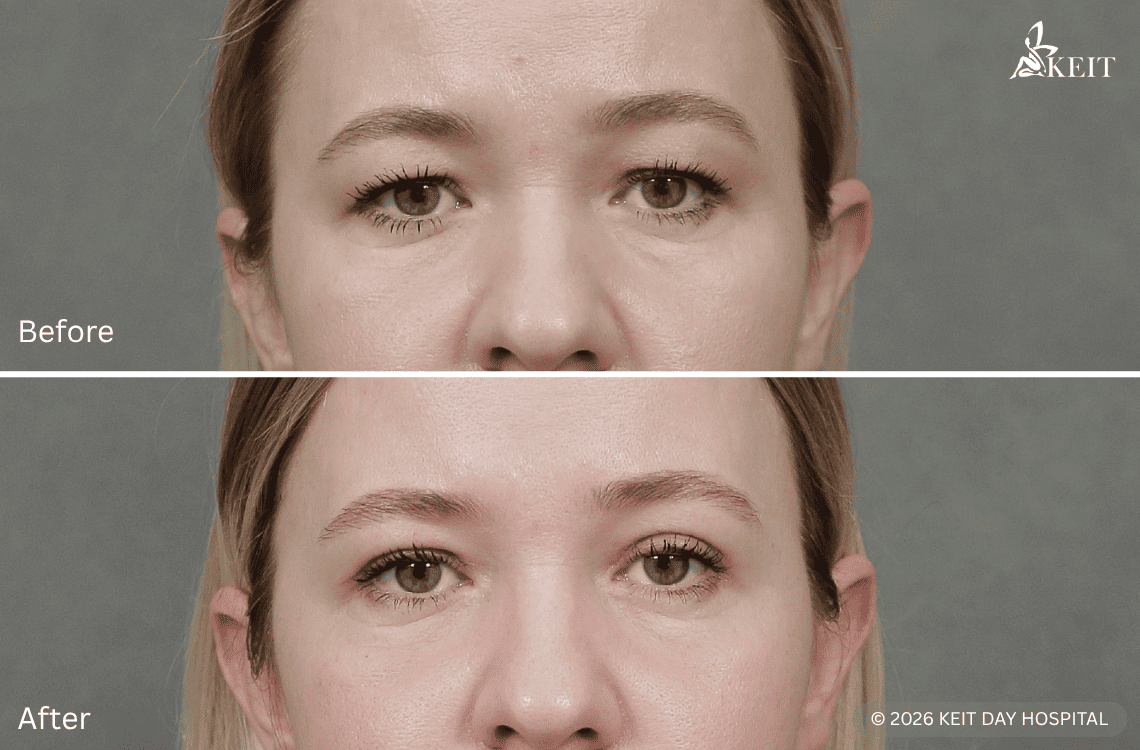
Ptosis eye symptoms usually affect eyelid position, symmetry, and, in more significant cases, the visual field. The most common symptoms and signs include:
- Droopy eyelid: The upper eyelid sits lower than normal and may partially cover the eye.
- Eyelid heaviness: The eyelid may feel heavy, especially later in the day or when tired.
- Asymmetry: One eyelid may appear lower than the other, making the eyes look uneven.
- Reduced upper field of vision: In more significant cases, the drooping lid may interfere with vision.
- Tired or narrowed eye appearance: The affected eye may look smaller, heavier, or less open than the other.
Ptosis of eyelid causes: What are the main underlying factors?
Ptosis of eyelid may develop from several underlying factors, with the main ptosis causes including:
- Age-related change: Stretching or thinning of the levator aponeurosis is one of the most common causes in adults.
- Congenital abnormality: The levator muscle may not develop normally from birth.
- Neurological causes: Disorders affecting the nerve supply to the eyelid can reduce eyelid elevation.
- Muscular causes: Conditions affecting the levator muscle or neuromuscular function, such as myasthenia gravis, may lead to ptosis.
- Trauma or previous eye surgery: Injury or surgical intervention may affect the structures responsible for lifting the eyelid.
- Mechanical causes: Swelling, scarring, or an eyelid mass may weigh the lid down or restrict its movement.
How is ptosis of eyelid diagnosed?
Ptosis of eyelid is diagnosed by an eye specialist through an examination of eyelid position, function, and the underlying cause of the drooping. A ptosis diagnosis typically includes:
- Measurement of eyelid height and symmetry.
- Assessment of levator muscle function.
- Evaluation of brow position and forehead compensation.
- Examination of the pupil and visual field where relevant.
- Assessment for neurological, muscular, or mechanical causes.
Ptosis surgery: How is eyelid ptosis corrected and when is blepharoplasty needed?
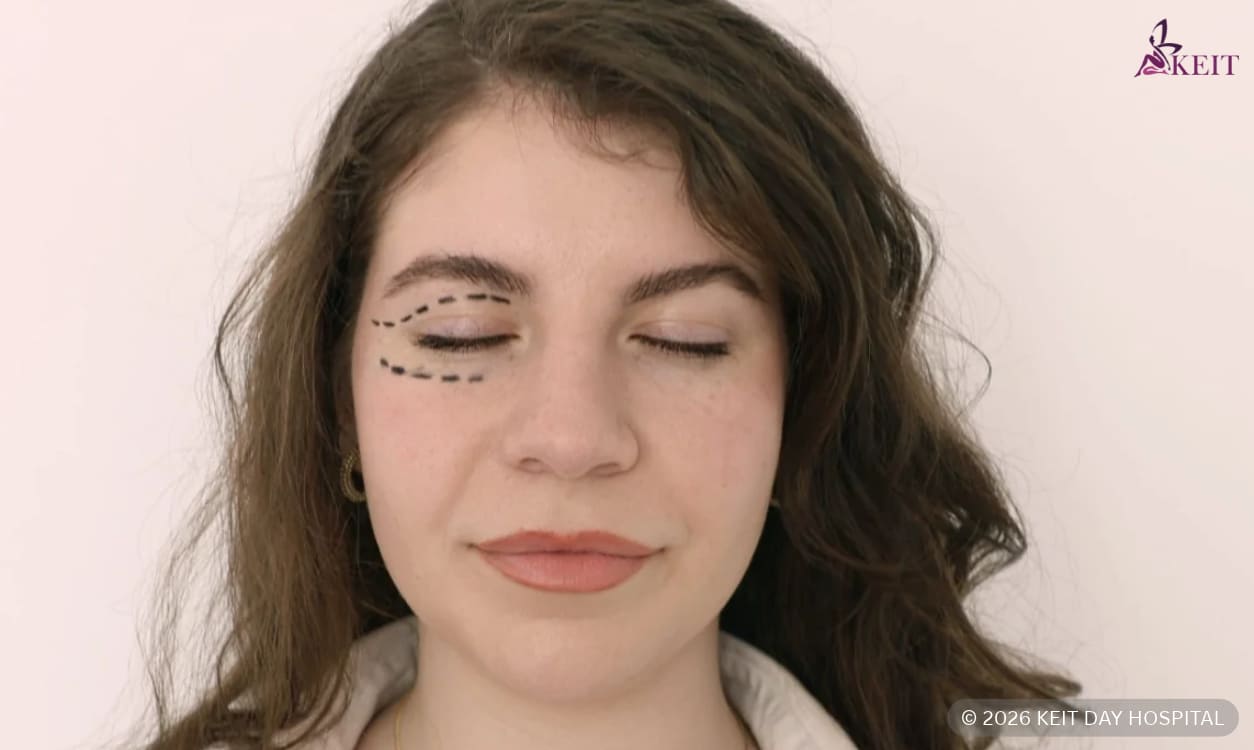
The correct surgical approach to upper eyelid drooping depends on whether the underlying problem is true ptosis, excess upper eyelid skin, or a combination of both. In true ptosis, where the upper eyelid sits lower than normal, surgery is performed to correct the muscle or tendon responsible for lifting the eyelid in order to restore a more appropriate eyelid position.
Upper blepharoplasty is indicated when excess upper eyelid skin is the main concern. It addresses skin redundancy, and, when necessary, selected underlying tissue, but it does not by itself correct a low upper eyelid position. When both conditions coexist, ptosis surgery and blepharoplasty may be performed together to achieve both functional and aesthetic correction.
Ptosis surgery before and after: Recovery and results
After ptosis surgery, recovery takes place gradually, with the main stages of healing including:
- Days 1–5: Swelling, bruising, tightness, and mild discomfort are most noticeable during this period.
- Week 1: Initial healing continues, and sutures may be removed if non-dissolving stitches were used.
- Weeks 2–4: Bruising and swelling usually improve more clearly, and the eyelid position begins to appear more settled.
- Months 2–3: The result becomes more stable as the tissues soften and eyelid symmetry can be assessed more accurately.
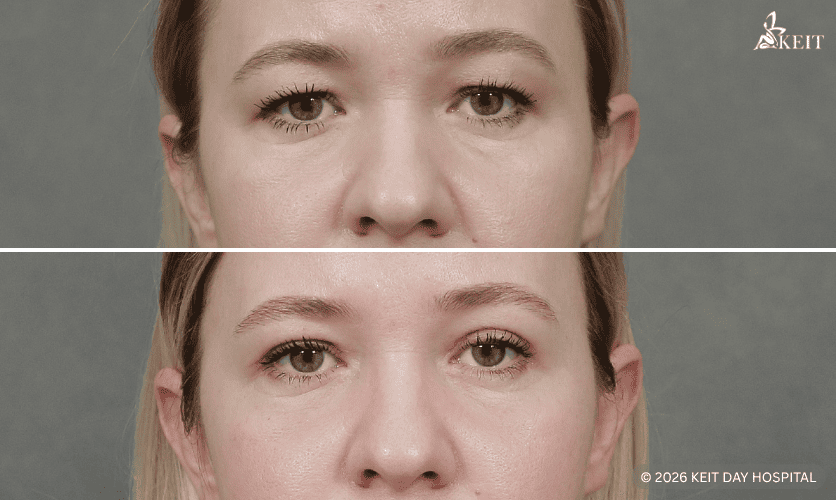
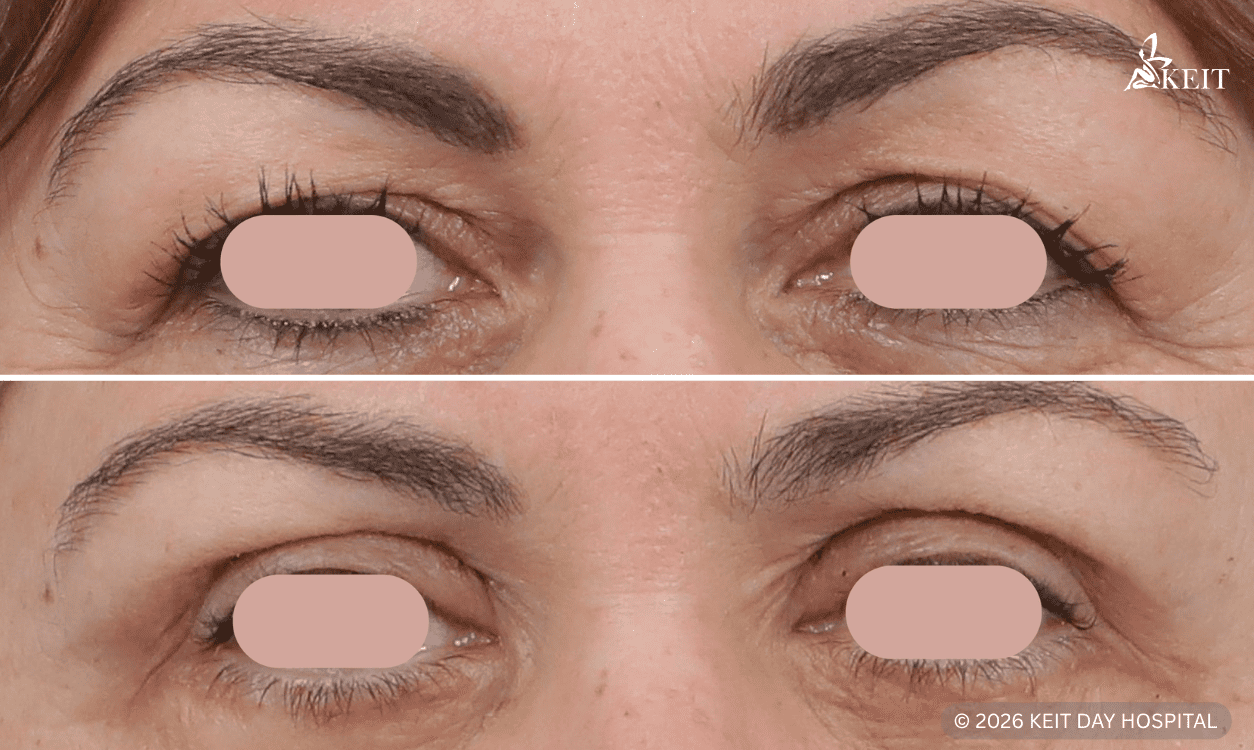
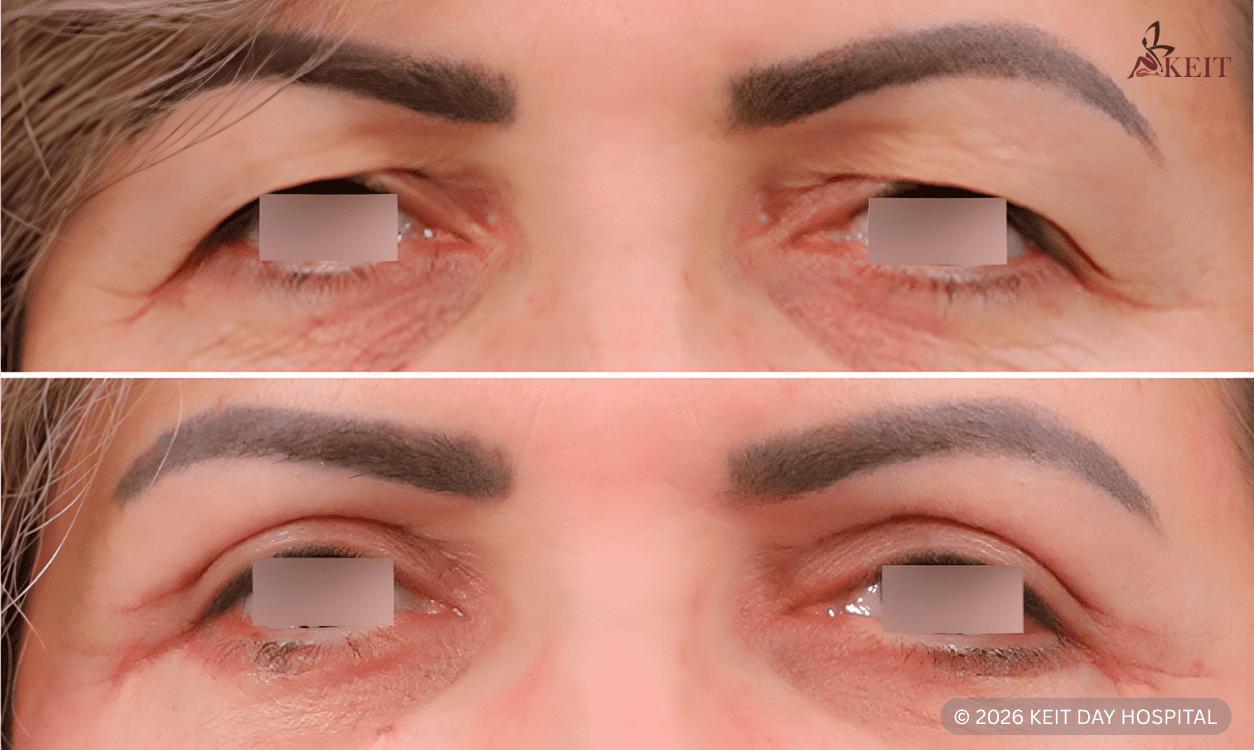
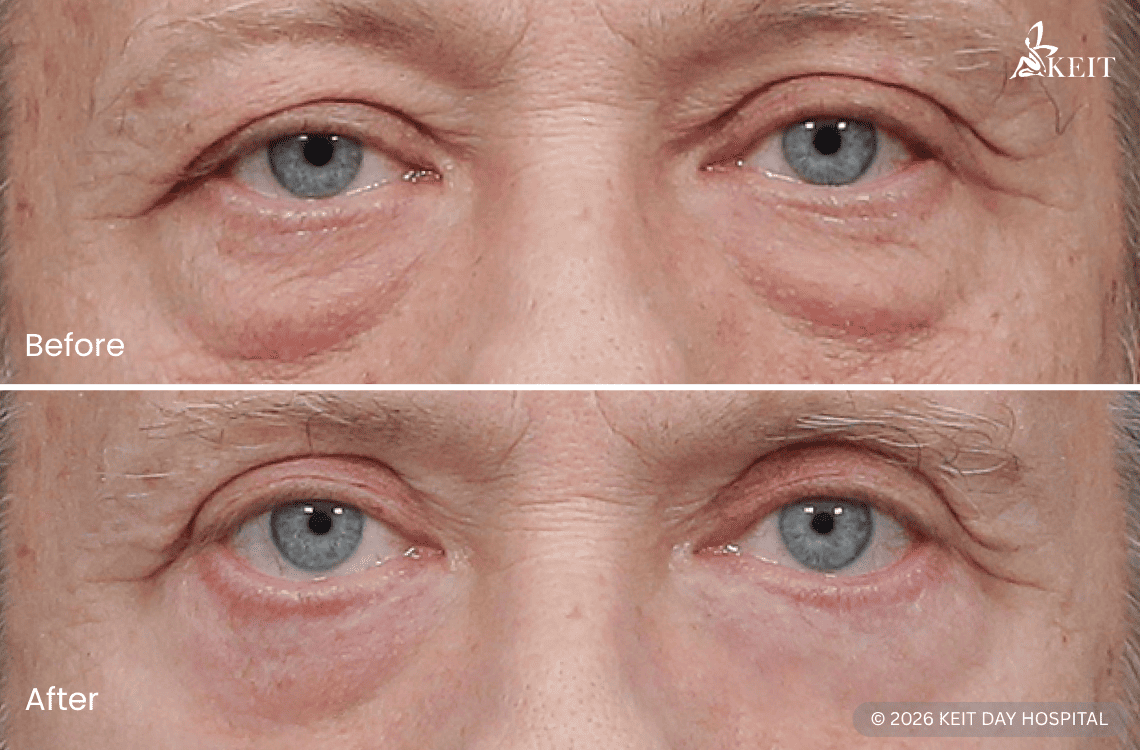
Ptosis surgery before and after results become clearer as swelling settles and the eyelid position stabilises. In appropriately selected patients, the eyelid usually appears better elevated, more symmetrical, and less likely to interfere with vision. The final outcome depends on the underlying cause of the ptosis and individual healing.
Ptosis of eyelid: Risks and complications of ptosis surgery
Ptosis surgery is generally safe, although recognised risks and complications must still be considered. These include:
- Undercorrection or overcorrection may leave the eyelid lower or higher than intended.
- Residual asymmetry may remain even when the eyelid position improves.
- Ocular surface irritation or dry eye symptoms may occur if lid closure or tear film stability is affected.
- Bleeding or haematoma may develop in the early post-operative period.
- Infection or delayed wound healing may affect recovery and require treatment.
- Recurrence or need for revision surgery may arise if the eyelid position changes during healing or over time.
Book your FREE
Online Consultation Now

Ptosis of eyelid: Surgery cost and what influences the price
The cost of ptosis surgery in the UK ranges from 2,500 to 7,000 euro, although the final price depends on the complexity of the case and the clinic where the procedure is performed. The cost of ptosis correction is influenced by whether one eyelid or both require treatment, the severity of the ptosis, the surgical technique used, the surgeon’s expertise, the anaesthetic plan, and whether a combined upper eyelid procedure is performed.