Published on:
 Modified on:

 Reading Time: 5 min

 Rhinoplasty
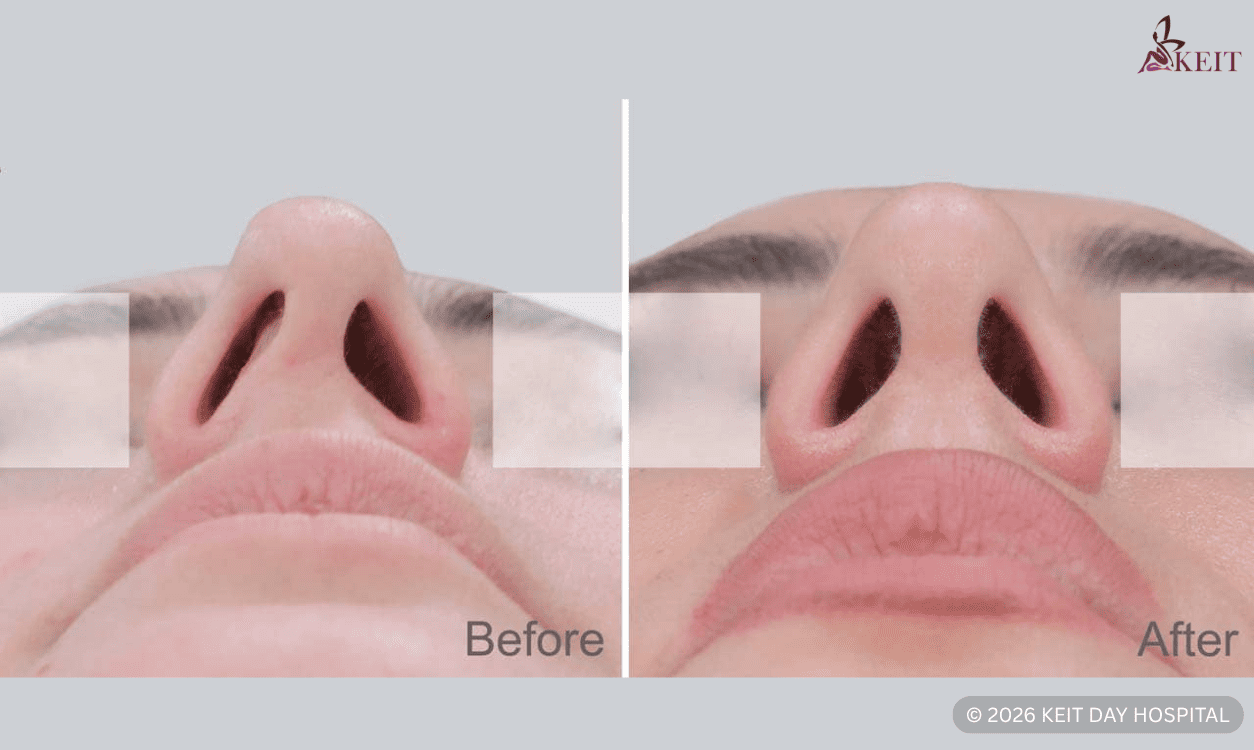
 surgery and liquid rhinoplasty are often grouped together under the concept of nose reshaping, yet they solve different anatomical problems and lead to fundamentally different outcomes. Rhinoplasty is a surgical intervention that permanently reshapes bone and cartilage to correct nasal structure and function. Liquid rhinoplasty is a non-surgical treatment that uses injectable fillers to temporarily modify external contours without altering anatomy.
 Table of Contents:
-
1
 What is rhinoplasty and what does nose surgery actually improve?
-
2
What is liquid rhinoplasty and when are nose fillers appropriate?
-
3
Rhinoplasty vs nose filler: Side-by-side comparison
-
4
Results: What can each procedure really achieve?
-
5
Risks and safety: Rhinoplasty surgery vs nose fillers
-
6
Recovery and downtime compared between rhinoplasty and nose filler
-
7
Cost comparison in the UK: Rhinoplasty vs nose filler
-
8
Rhinoplasty vs liquid rhinoplasty: How to make the right choice?
-
9
Rhinoplasty surgery in Albania: Your smart and affordable choice
In this article, we explain what rhinoplasty and liquid rhinoplasty are, what each procedure can realistically achieve and how they differ in terms of safety, recovery timeline, risks, costs and long-term value. You’ll find a side-by-side comparison on when surgery or nose fillers are the appropriate choice to help you make an informed decision.
What is rhinoplasty and what does nose surgery actually improve?
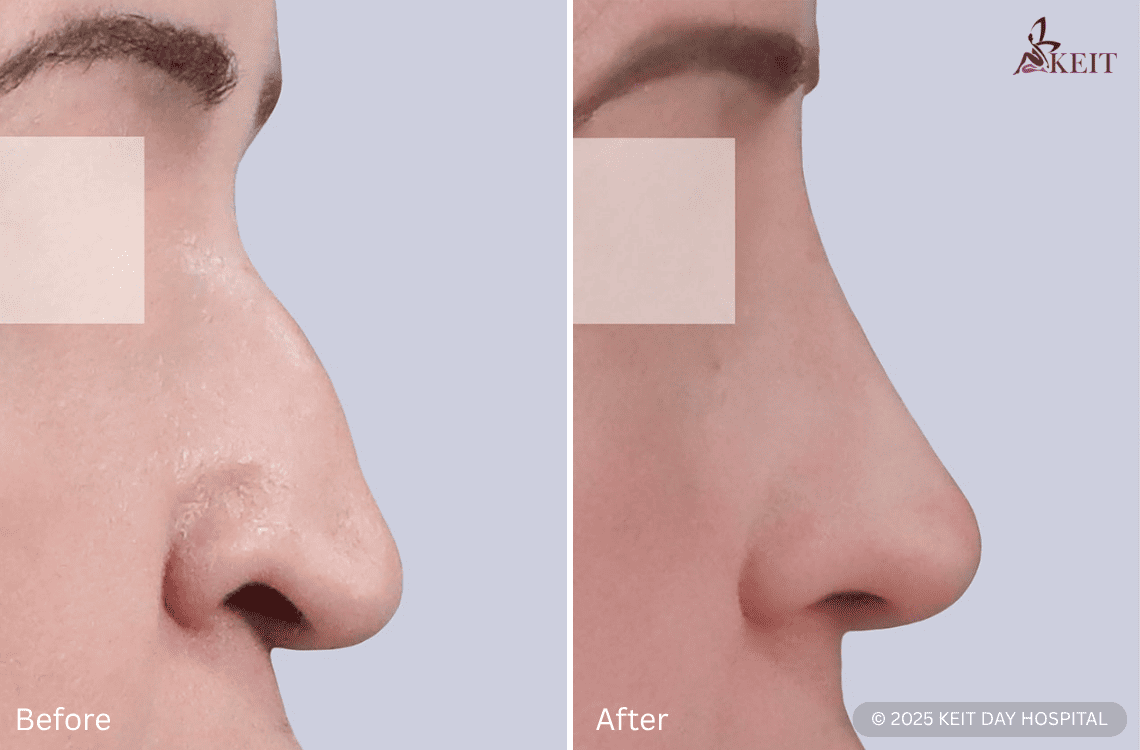
Rhinoplasty, commonly referred to as a nose job, is a surgical procedure that permanently reshapes the nose by modifying its internal framework. The surgeon works on bone, cartilage and support structures to correct the anatomical causes of nasal imbalance, asymmetry or functional impairment. Since it intervenes at a structural level, rhinoplasty is used to address problems that originate inside the nose rather than on its surface. Once healing is complete, the changes are stable and designed to last long term.

What is liquid rhinoplasty and when are nose fillers appropriate?
Liquid rhinoplasty is a non-surgical aesthetic treatment that uses hyaluronic acid dermal fillers to temporarily refine the external contours of the nose. Injectable rhinoplasty relies on precise filler placement to improve visual balance and profile harmony without altering bone or cartilage. It is performed without general anesthesia and leaves no surgical scars, making it suitable for patients seeking a minimally invasive, short-term aesthetic solution. Maintenance treatments are required as the nose filler is gradually absorbed by the body.
Rhinoplasty vs nose filler: Side-by-side comparison
To clearly distinguish the two procedures, the comparison below focuses exclusively on the features that influence results, safety and recovery and shows that the two approaches address different clinical realities:
| Feature | Rhinoplasty | Liquid Rhinoplasty |
|---|---|---|
| Technique | Surgical reshaping of bone and cartilage |
Hyaluronic acid filler injections |
| Anatomical change | Yes | No |
| Result type | Permanent | Temporary |
| Nose size reduction | Yes | No |
| Correction of deviation | Yes | No |
| Breathing improvement | Yes | No |
| Downtime | 7–14 days | None |
Results: What can each procedure really achieve?
The results of rhinoplasty and liquid rhinoplasty differ because the mechanisms behind them are fundamentally different.
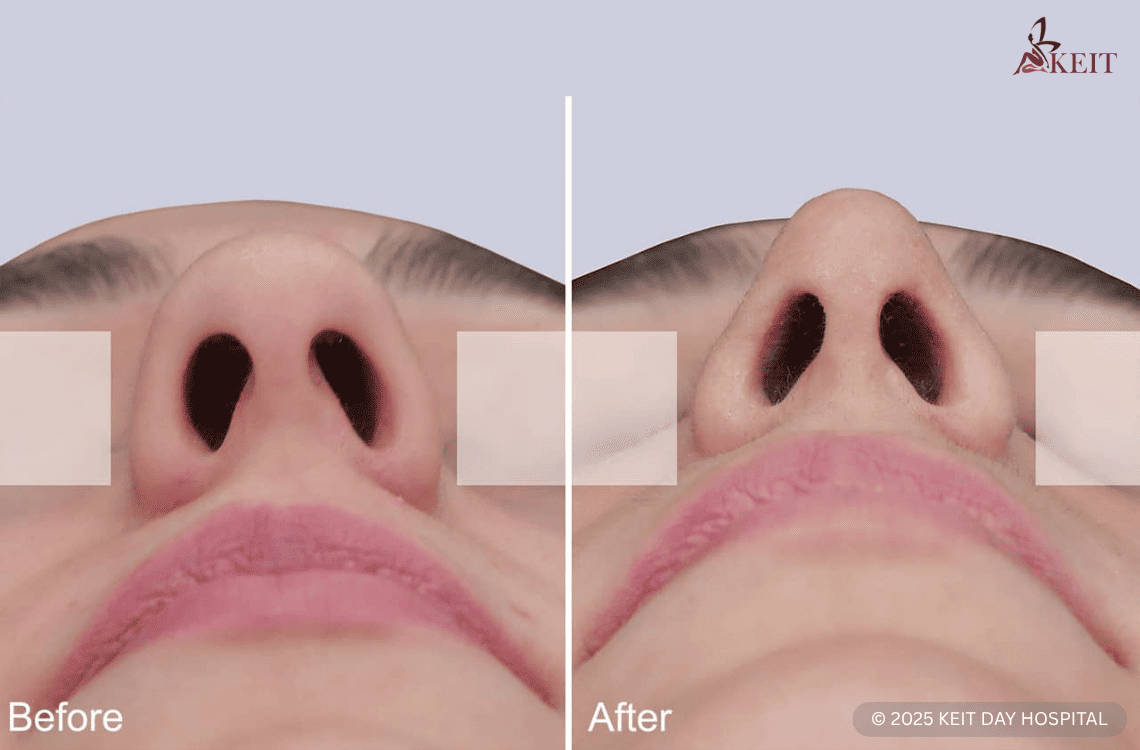
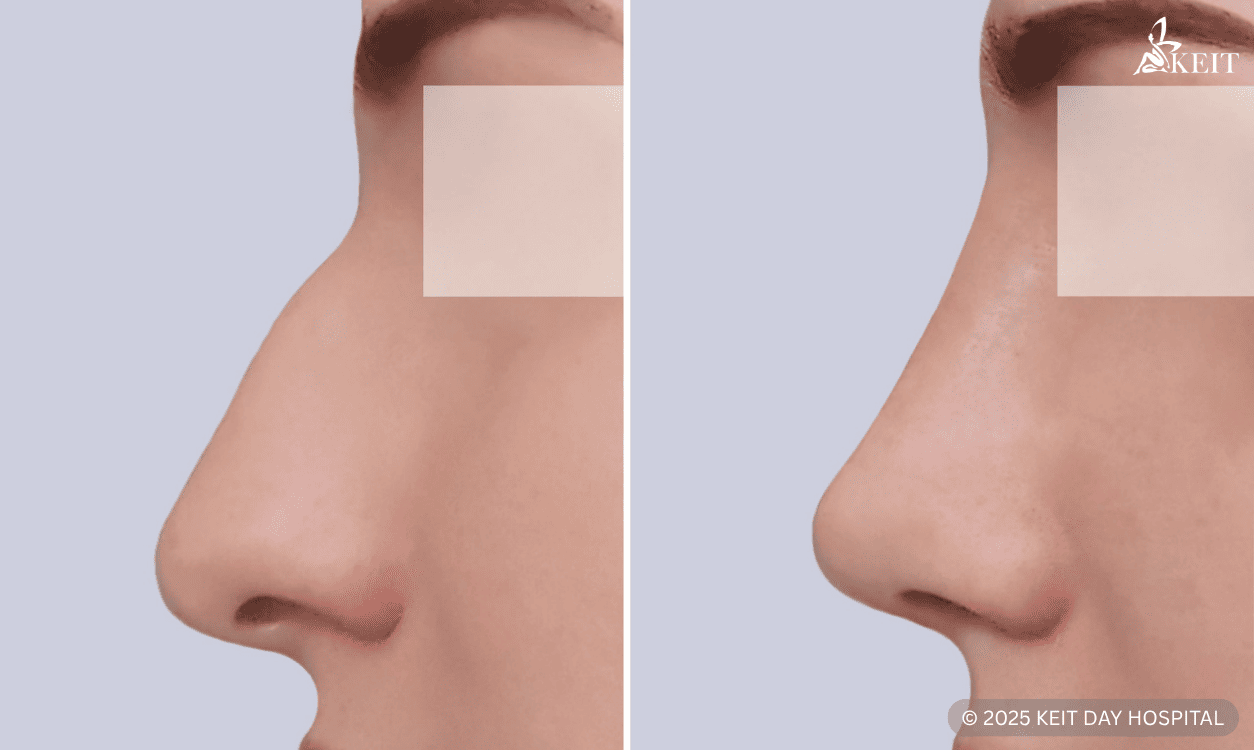
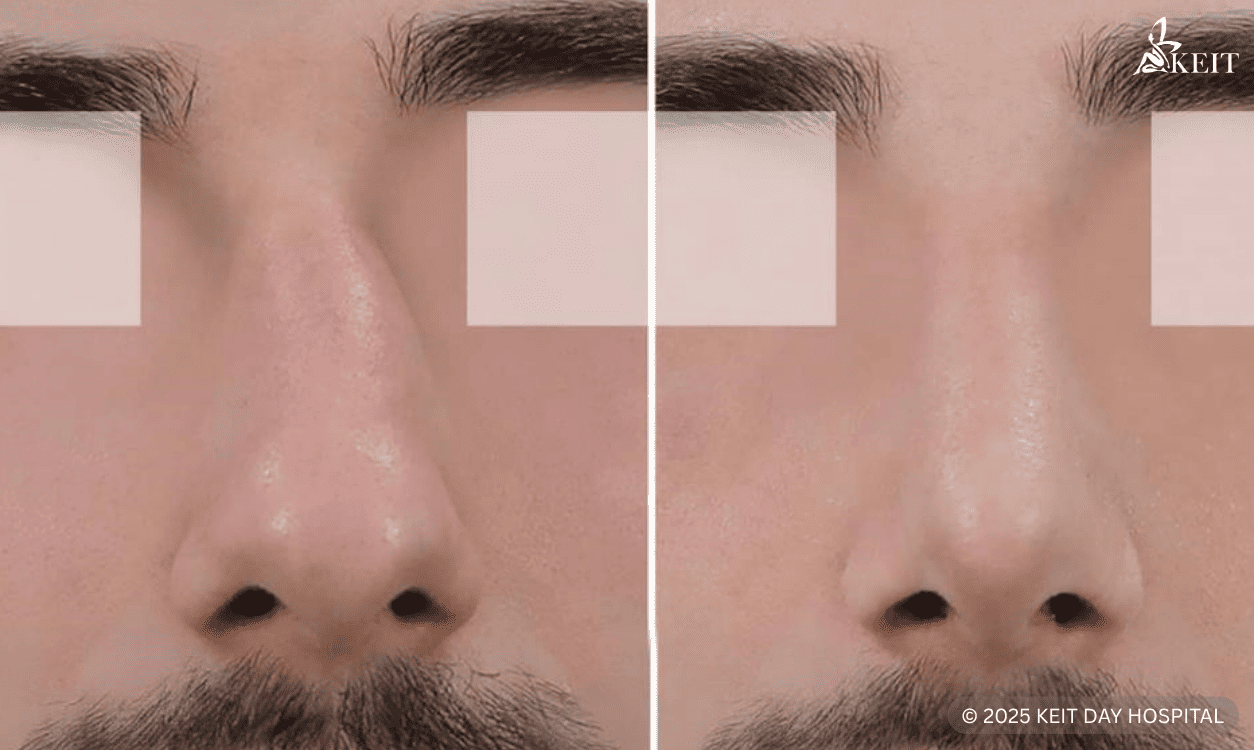
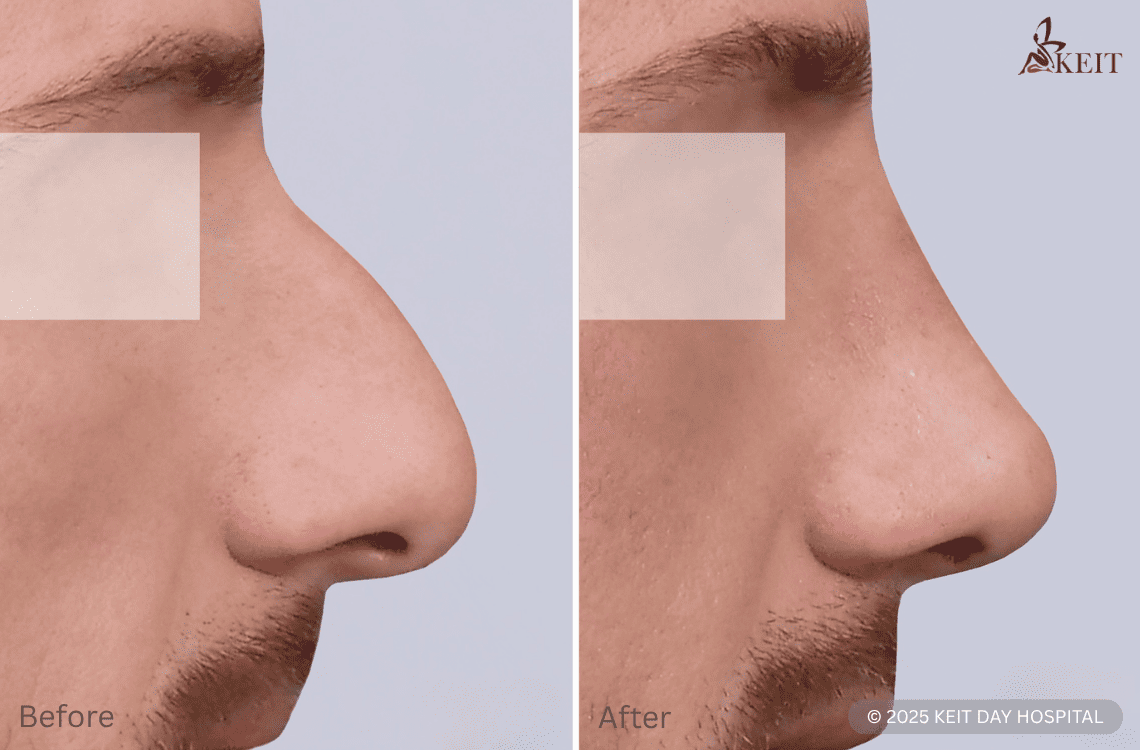
Rhinoplasty produces results by reshaping the nasal framework itself. Bone can be reduced or repositioned, cartilage refined or reinforced and support structures corrected. This allows for true size reduction, straightening, refined proportions and long-term facial harmony. When functional problems exist, breathing can be restored at the same time.
Liquid rhinoplasty produces results by adding volume to selected areas. Minor surface irregularities appear smoother and the profile may look straighter from certain angles. Structural limitations remain unchanged and the nose cannot be made smaller. Results persist only while the filler remains in place.
Risks and safety: Rhinoplasty surgery vs nose fillers
Both procedures carry risks, but the nature of those risks differs substantially.
Rhinoplasty risks are related to surgery and healing. These include swelling, bruising, infection, asymmetry, scar tissue formation and the possibility of revision rhinoplasty. With proper patient selection, surgical planning and technique, serious complications remain uncommon.
Liquid rhinoplasty carries specific vascular risks due to the complex blood supply of the nose. Complications include vascular occlusion, skin ischemia, tissue necrosis and rare cases of visual impairment. These risks are inherent to filler injection in the nasal region and require advanced anatomical expertise.
Recovery and downtime compared between rhinoplasty and nose filler
Recovery reflects the level of intervention involved. Rhinoplasty involves a defined recovery phase. A nasal splint is typically worn for about one week. Bruising and swelling decrease over the first two weeks, while residual swelling continues to improve over several months, particularly in the nasal tip. Liquid rhinoplasty requires no recovery period. Patients resume normal activities immediately. Mild swelling or redness resolves within 24 hours.
Cost comparison in the UK: Rhinoplasty vs nose filler
In the UK, rhinoplasty cost varies between 6,000-15,000 euro as a one-time procedure that includes surgery, anesthesia and sometimes post-operative care. The result is permanent and does not require maintenance.
Liquid rhinoplasty costs 1,200–2,000 euro per session. Treatments must be repeated every 6 to 18 months to maintain results. Over time, cumulative costs exceed those of surgery while delivering temporary change only.
Rhinoplasty vs liquid rhinoplasty: How to make the right choice?
Liquid rhinoplasty is appropriate for patients seeking temporary aesthetic refinement, minimal commitment and immediate results when nasal structure and function are already balanced.
Nose job surgery is the appropriate option when permanent correction, size reduction, symmetry restoration, or breathing improvement is required. These procedures are not alternatives. They address different problems and serve different goals. Choosing correctly depends on identifying whether the concern lies in surface appearance or in nasal structure itself.
Rhinoplasty surgery in Albania: Your smart and affordable choice
Rhinoplasty in Albania offers an optimal balance of surgical quality, patient safety and accessible pricing. Nose job surgery is commonly provided through all-inclusive packages that cover the nose reshaping procedure, anesthesia, hospital stay, accommodation, airport transfers and post-operative care.
Package prices typically range from approximately 1,600 to 2,600 euro, allowing patients to plan their treatment with full cost transparency and no hidden fees. Private clinics in Albania meet European medical and safety standards and frequently collaborate with Italian-trained rhinoplasty surgeons, delivering results comparable to leading aesthetic surgery centres across Europe.