Published on:
 Modified on:

 Reading Time: 5 min
 Rhinoplasty
Septorhinoplasty is a combined nasal procedure performed to improve both breathing function and nasal shape within the same operation. It is commonly considered in patients with septal deviation, nasal obstruction, or visible structural irregularities. Careful assessment and appropriate surgical planning are essential to achieve a balanced functional and aesthetic result.
 Table of Contents:
-
1
 What is septorhinoplasty and what does it correct?
-
2
Who is an ideal candidate for septorhinoplasty?
-
3
Septorhinoplasty surgery: What techniques are used?
-
4
Septorhinoplasty: The journey from consultation to surgery day
-
5
Septorhinoplasty before and after: Key stages of recovery
-
6
Septorhinoplasty: Risks and potential complications
-
7
Septorhinoplasty cost in the UK: Price inclusions and NHS accessibility
-
8
How to choose the right septorhinoplasty surgeon
In this guide, we explain what septorhinoplasty is and what it corrects, who is a suitable candidate, and the main surgical techniques used. We also cover the stages from consultation to surgery, the recovery timeline, potential risks and complications, cost in the UK and how to choose the right surgeon.
What is septorhinoplasty and what does it correct?
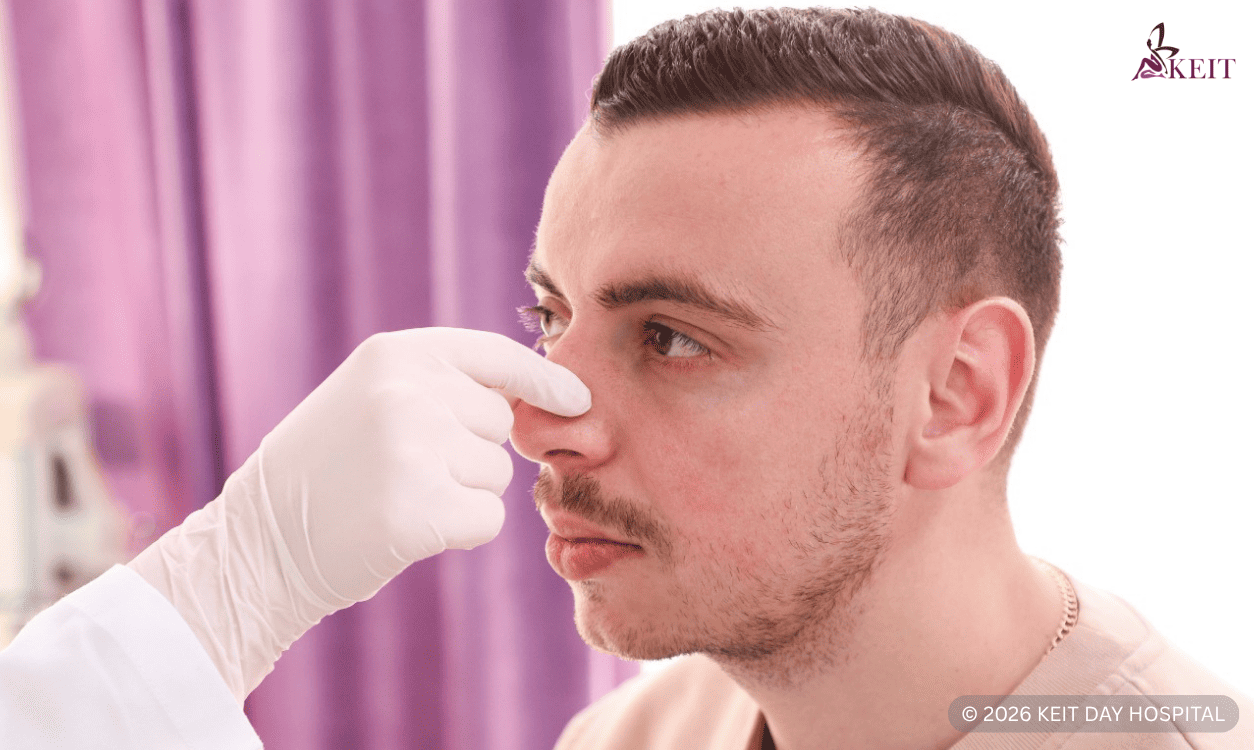
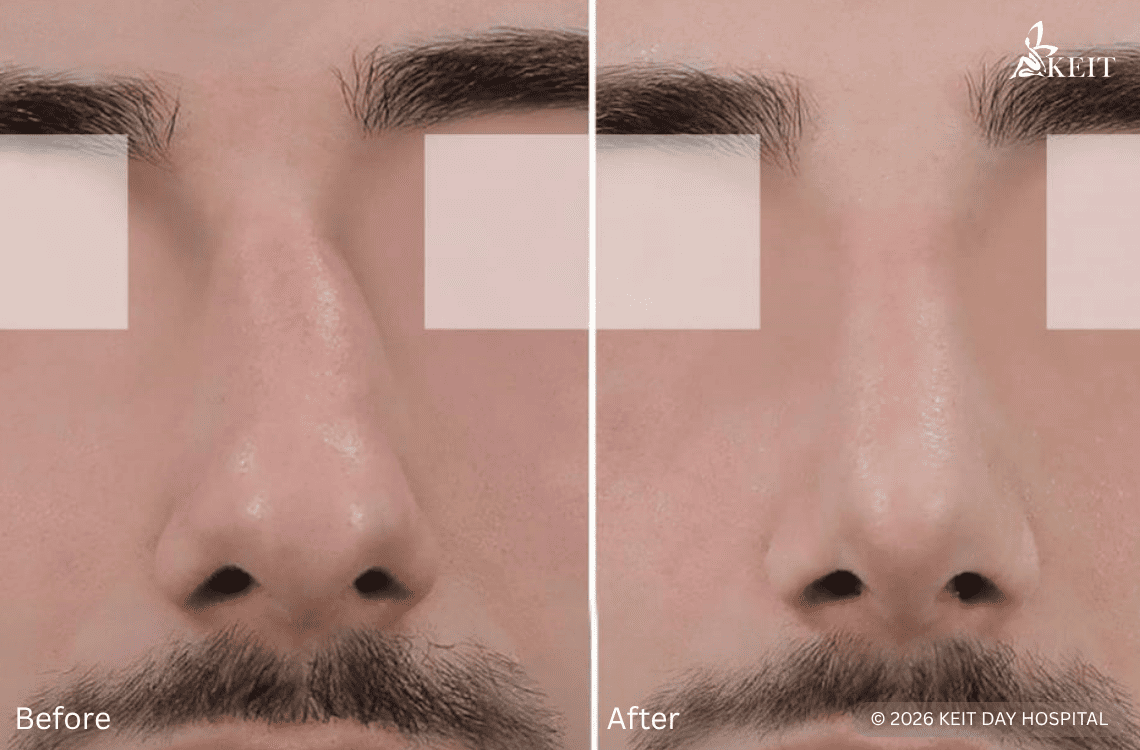
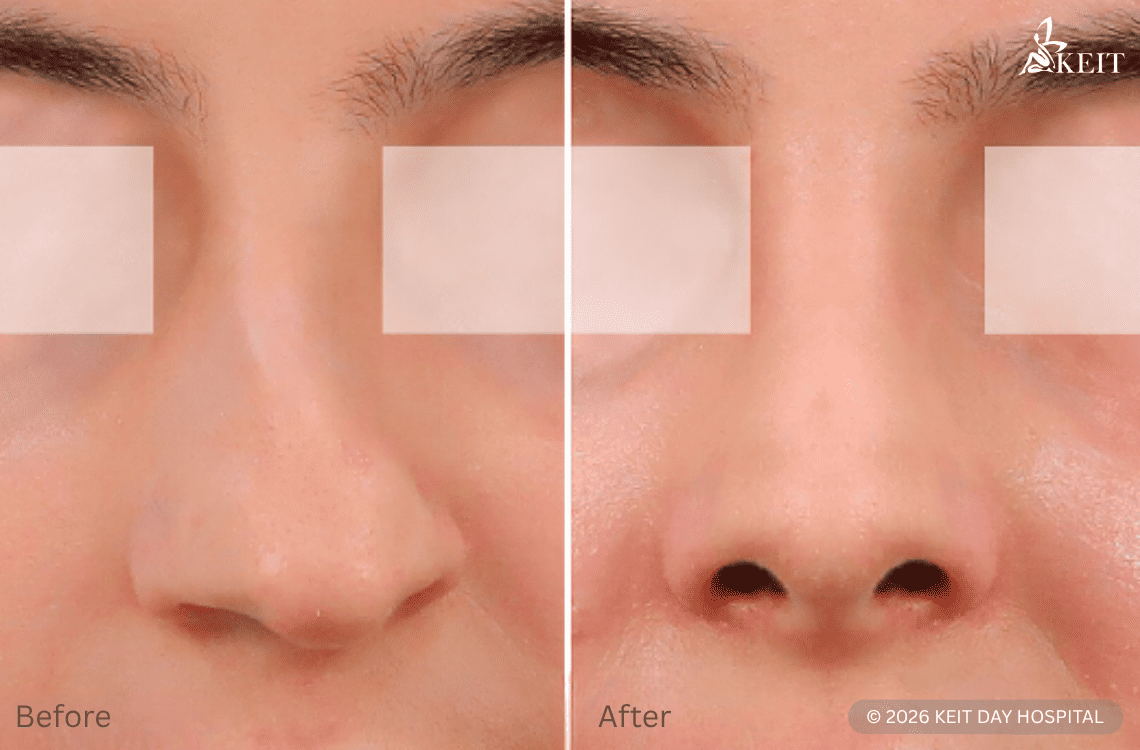
Septorhinoplasty is a surgical procedure that combines septoplasty with rhinoplasty to improve both nasal function and nasal shape. It is performed to correct structural problems such as a deviated septum and nasal obstruction, while also addressing the external appearance of the nose, including asymmetry, dorsal humps, traumatic deformity, or an imbalanced nasal profile.
Who is an ideal candidate for septorhinoplasty?
An ideal candidate for septorhinoplasty meets certain medical and personal criteria that ensure the procedure’s effectiveness. These include:
- Breathing obstructions: Individuals suffering from a deviated septum or other structural issues that impede airflow are prime candidates.
- Aesthetic improvements: Candidates looking to improve the appearance of their nose, whether due to asymmetry, a prominent bump, or other concerns.
- Good general health: To undergo surgery and recover effectively, patients should be in overall good health.
- Realistic expectations: Patients should understand that while septorhinoplasty offers significant functional and cosmetic benefits, results can vary depending on individual anatomy and healing factors.
- Commitment to recovery: Ideal candidates must be prepared for the recovery process, which includes attending follow-up appointments and following post-operative instructions for optimal healing.
Septorhinoplasty surgery: What techniques are used?
Septorhinoplasty is performed using two primary surgical approaches, each tailored to the patient’s anatomical needs and the complexity of the procedure:
- Open septorhinoplasty: An incision is made across the columella (the tissue between the nostrils), providing the surgeon with direct access and improved visibility to correct both structural and cosmetic concerns. It is ideal for cases that require significant reshaping or intricate modifications.
- Closed septorhinoplasty: All incisions are made entirely within the nostrils, leaving no visible external scars. It is used for less complex procedures, including functional corrections or minor aesthetic refinements.
Septorhinoplasty: The journey from consultation to surgery day
Septorhinoplasty surgery follows a structured medical pathway to ensure safety, proper planning, and optimal results.
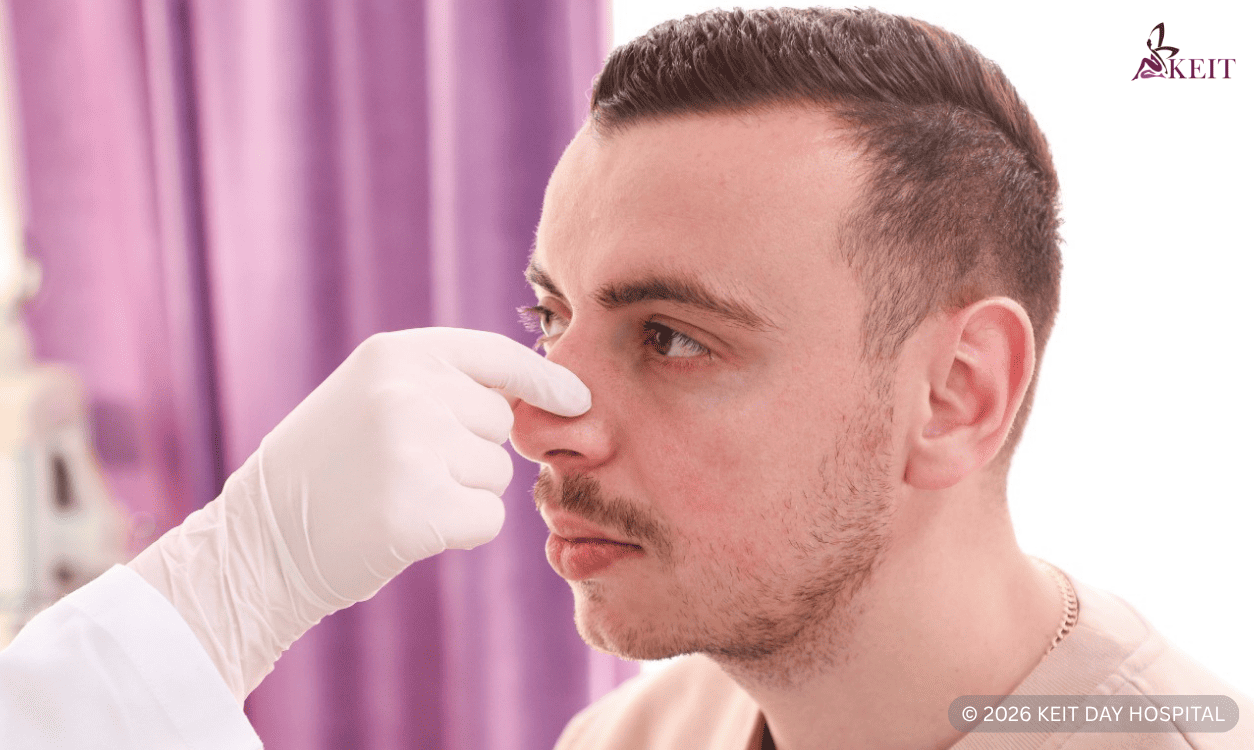
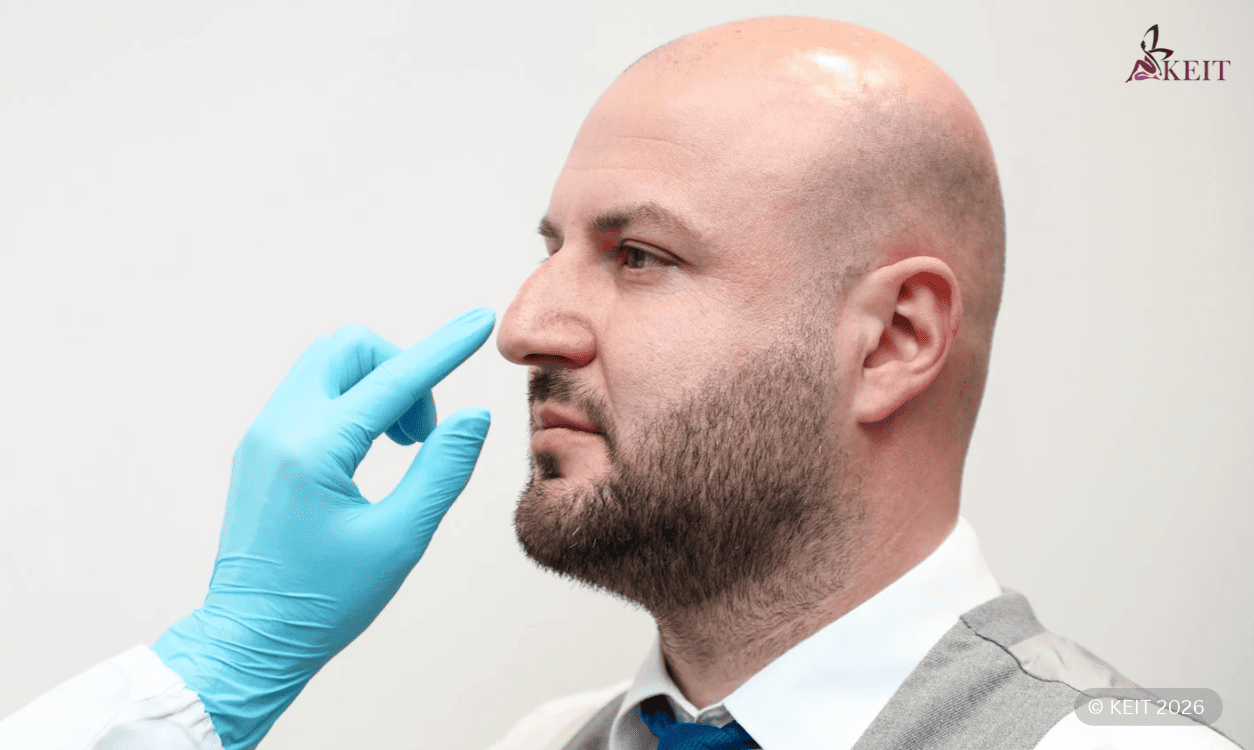
- Consultation and assessment: The surgeon will review the medical history, evaluate the nasal anatomy, and understand the goals for both functional and aesthetic outcomes.
- Medical evaluation: A thorough medical assessment to ensure the patient is in optimal health for surgery, including tests and imaging to evaluate the nasal structures.
- Pre-operative preparation: Instructions regarding fasting, medication restrictions, and understanding the post-operative care requirements.
- Procedure day: The surgery is performed under general anesthesia. Incisions are made either inside the nostrils (closed) or across the columella (open). The septum is corrected and the nose is reshaped to meet the aesthetic goals. The procedure lasts 2–3 hours, depending on the complexity, and detailed recovery instructions are given afterwards.

Septorhinoplasty before and after: Key stages of recovery
Septorhinoplasty recovery follows a clear timeline with distinct stages. The key recovery phases are outlined below:
- Week 1: Splints and stitches are usually removed around day 7 to 10. Nasal congestion, discomfort, swelling and bruising are expected due to the healing process.
- Weeks 2–4: Swelling begins to subside, and the shape of the nose becomes more apparent. Bruising significantly decreases, and most individuals can return to light activities, but physical exertion should be avoided.
- Weeks 4–6: Most of the swelling has reduced, and the nose is starting to take its final shape. Minor swelling may still be present, especially at the tip.
- Months 6–12: Final results begin to stabilize. Residual swelling, especially around the tip of the nose, continues to diminish, and the full outcome becomes clear. Any lingering changes in shape will settle during this period.
Septorhinoplasty: Risks and potential complications
Septorhinoplasty is considered a safe and commonly performed procedure, but like any surgical intervention, it carries certain risks and complications:
- Infection: Though rare, infection can occur after the procedure. It may require antibiotics or, in some cases, additional treatment.
- Breathing issues: There is a possibility that the surgery may not fully resolve the breathing problems, or new issues could develop due to swelling, scarring, or structural changes.
- Septal perforation: A rare but serious complication is the formation of a hole in the septum, which can affect breathing and cause persistent symptoms.
- Scar formation: While incisions are usually made inside the nostrils, external scars can form, particularly in open septorhinoplasty. These scars typically fade over time but may remain visible in some cases.
- Revision surgery: Some patients may require a follow-up surgery to correct complications or improve results if the desired outcome is not achieved.
Septorhinoplasty cost in the UK: Price inclusions and NHS accessibility
The cost of septorhinoplasty in the UK ranges from 6,000 to 14,000 euro depending on the complexity of the procedure, the surgeon’s experience, and the clinic’s location. The price usually includes consultations, surgical fees, anaesthesia, and post-operative care. Additional costs, such as medications or travel, may apply, so it’s important to confirm all details with the healthcare provider before proceeding.
Septorhinoplasty NHS: Eligibility and waiting times
Septorhinoplasty is available on the NHS if deemed medically necessary, such as for patients with significant breathing problems, typically after conservative treatments have failed. Eligibility is typically based on the severity of the condition and its impact on quality of life.
Waiting times for NHS procedures can vary significantly, with patients often facing delays due to high demand. It’s important to consult with a GP, who will assess whether the surgery qualifies for NHS coverage and help initiate the referral process.
How to choose the right septorhinoplasty surgeon
Choosing the right surgeon is an important part of achieving a safe procedure and a well-planned result. When comparing providers, the following points should be assessed:
- Specialist expertise: The surgeon should have established expertise in both functional and aesthetic nasal surgery, with training in ENT (otolaryngology) or plastic surgery.
- Professional credentials: GMC specialist registration and recognised surgical accreditation should be confirmed as part of the assessment process.
- Septorhinoplasty experience: Particular value should be placed on consistent experience in septorhinoplasty, especially in cases requiring both airway correction and cosmetic refinement.
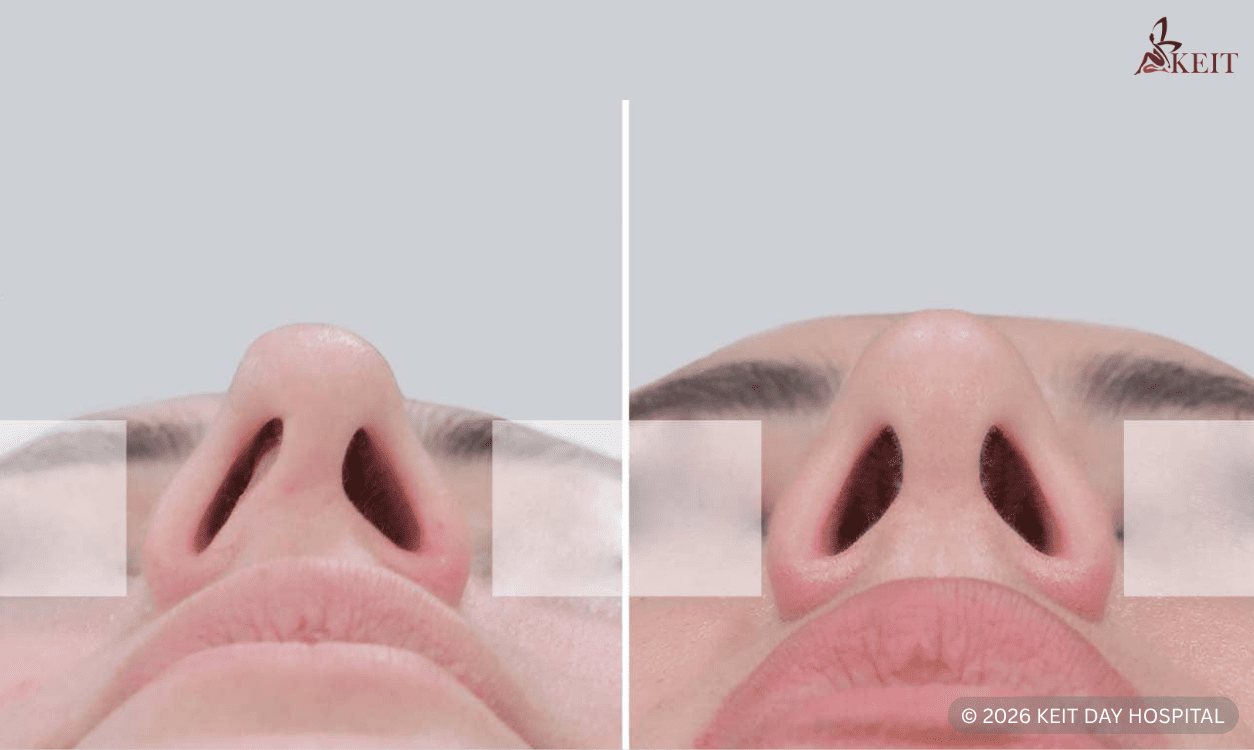
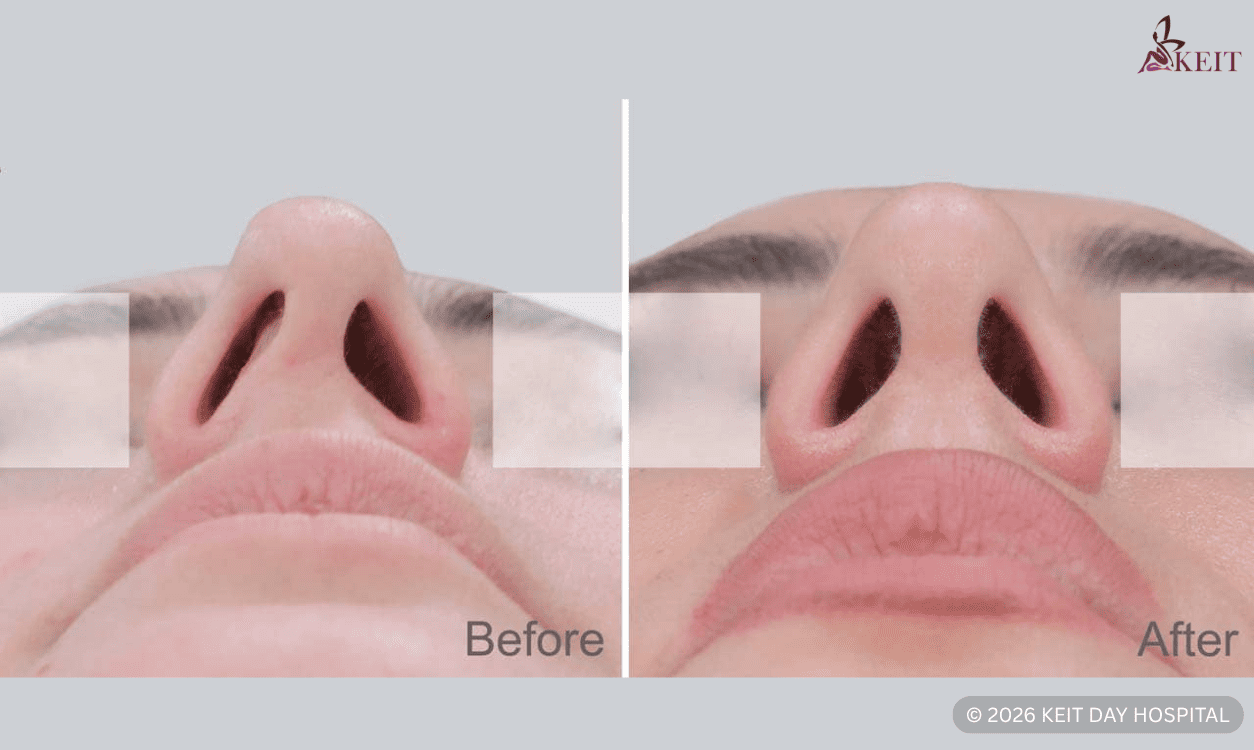
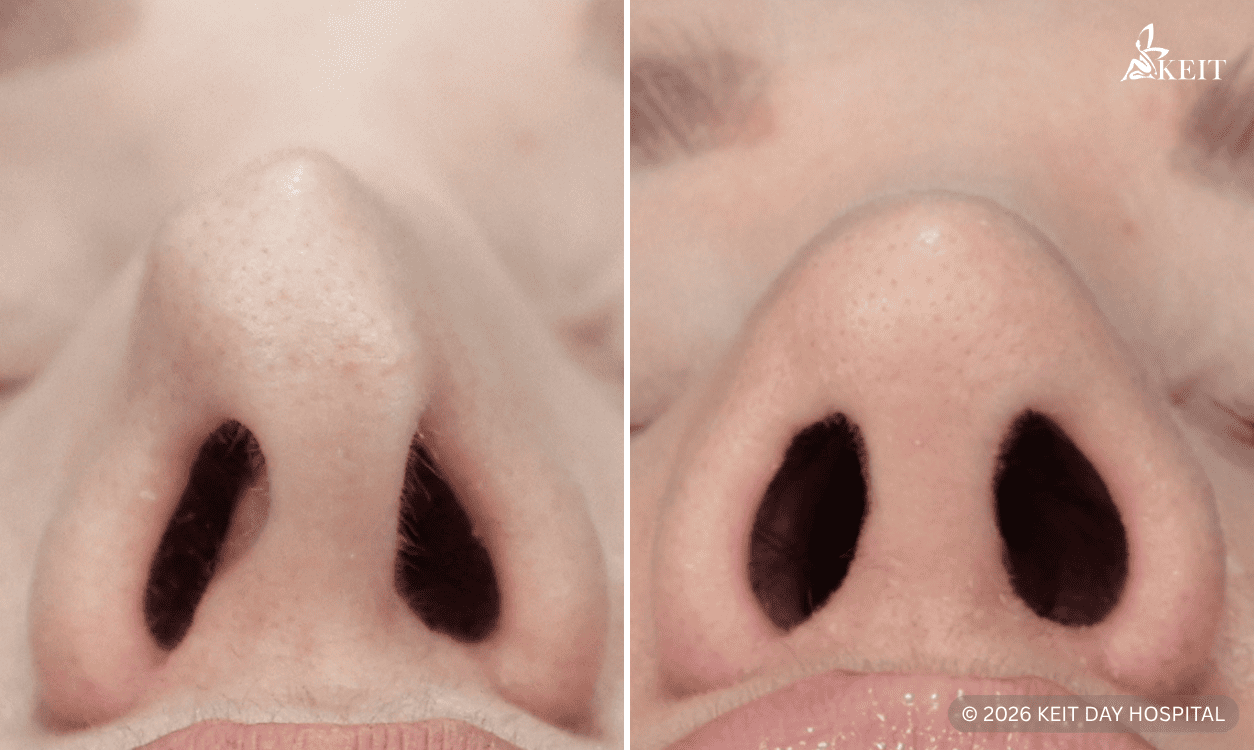
- Surgical results: Before and after cases should show natural, proportionate outcomes and reflect experience across different nasal anatomies and clinical indications.
- Consultation and communication: A high-quality consultation should include careful examination, clear explanation of the proposed approach, realistic discussion of limitations, and well-defined surgical planning.