Published on:
 Modified on:

 Reading Time: 5 min
 Hair transplant
Traction alopecia is a type of hair loss caused by repeated tension on the follicles, usually from tight hairstyles or long-term pulling on the scalp. It commonly affects the hairline, temples, and sides of the scalp. Early cases may improve once tension stops, while long-standing traction can permanently damage follicles and may require medical treatment or hair transplant assessment.
 Table of Contents:
-
1
 What is traction alopecia and how does it start?
-
2
What causes traction alopecia?
-
3
Traction alopecia symptoms and early signs
-
4
Can traction alopecia be reversed? Signs it may be too late
-
5
Traction alopecia remedies: What helps and what does not?
-
6
Traction alopecia treatment: Most effective medical options for tension hair loss
-
7
Hair transplant for traction alopecia: Restoring permanent hair loss
-
8
When should you see a hair loss specialist for traction alopecia?
In this guide, we explain what traction alopecia is and how it starts, what causes it, the early symptoms, and when it can still be reversed. We also cover traction alopecia remedies, medical treatment options, hair transplant for permanent hair loss, and when to see a hair loss specialist.
What is traction alopecia and how does it start?
Traction alopecia is a type of hair loss caused by repeated pulling force on the hair and scalp. It starts when tight hairstyles or heavy extensions place ongoing tension on the hair follicles. Over time, this stress can irritate the scalp, weaken the hair shaft, and cause thinning in the areas under the most tension, often around the hairline, temples, or sides of the scalp.
What causes traction alopecia?
Traction alopecia is caused by repeated tension, pulling, or mechanical stress on the hair follicles. Common causes include:
- Tight hairstyles: Ponytails, buns, braids, cornrows, and similar styles can place continuous traction on the hairline, temples, and sides of the scalp.
- Heavy or tightly fixed extensions: Weaves, extensions, and dreadlocks can add weight and pulling force, especially around the edges and attachment points.
- Repeated styling patterns: Wearing the same tight style regularly concentrates stress on the same follicles.
- Hair accessories or headwear: Tight bands, clips, helmets, or head coverings may contribute when they cause repeated pulling or friction.
- Chemical and heat damage: Relaxers, bleaching, and frequent heat styling do not directly cause traction alopecia, but they can weaken the hair shaft and worsen breakage when tension is present.
Traction alopecia symptoms and early signs
Traction alopecia usually begins with subtle changes in the areas exposed to repeated pulling, most often around the hairline, temples, and sides of the scalp. Early signs of traction alopecia may include:
- Scalp tenderness: Pain, tightness, or sensitivity, particularly after removing braids, ponytails, extensions, or other tight styles.
- Redness or irritation: The scalp may look inflamed where the follicles are under repeated stress.
- Small bumps around follicles: Raised or tender bumps can develop when traction causes follicular inflammation.
- Broken hairs along the edges: Short, fragile hairs may appear where the hair shaft is repeatedly pulled or weakened.
- Thinning at the hairline or temples: The edges may gradually look less dense, uneven, or more visible.
- Patchy hair loss: Continued traction can lead to visible bald patches in the most affected areas.
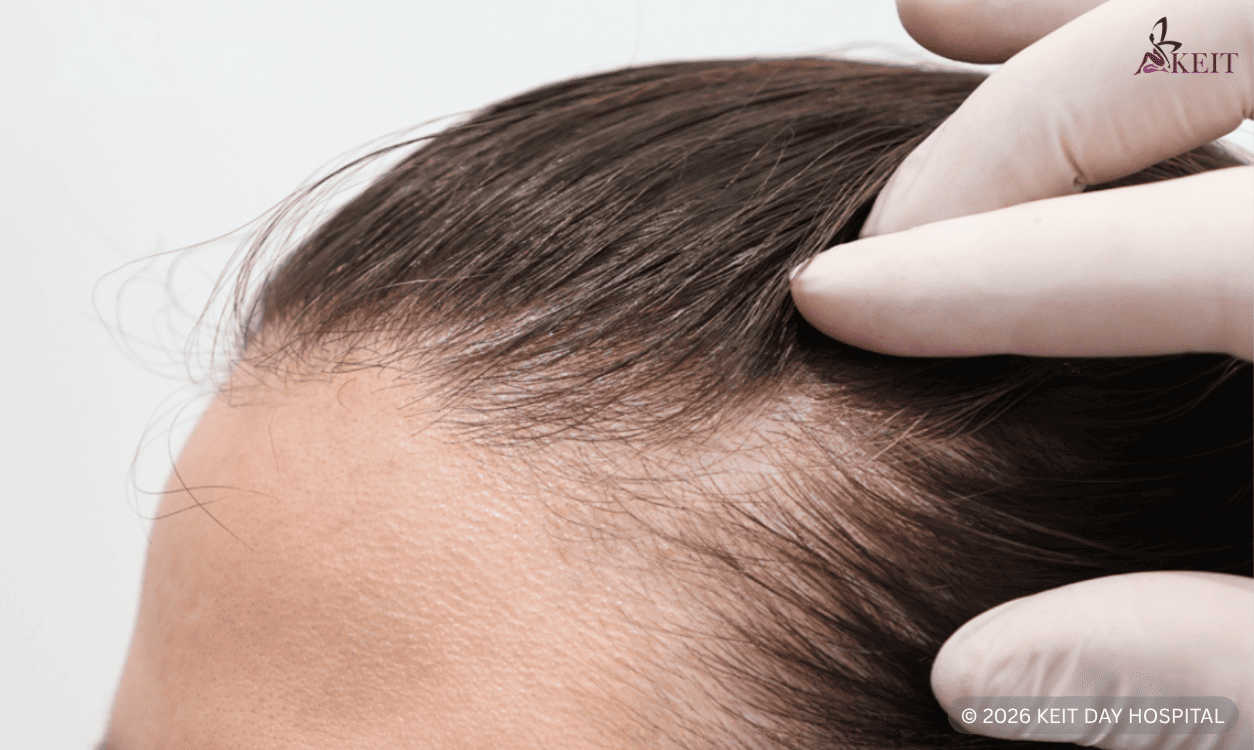
Signs of permanent traction alopecia may include smooth, shiny scalp, loss of visible follicle openings, long-standing bald patches, and no regrowth after tension has stopped.
Can traction alopecia be reversed? Signs it may be too late
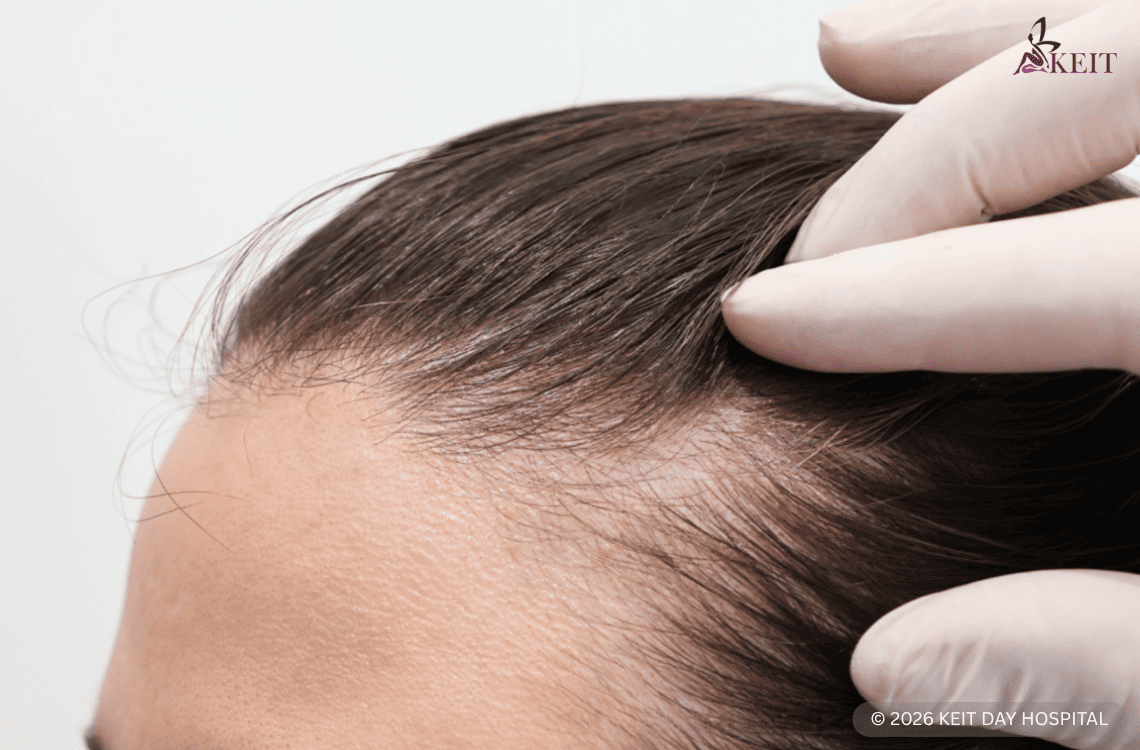
Traction alopecia can often be reversed in the early stage, before permanent follicle damage and scarring develop. Regrowth is more likely when hair thinning is recent, tension on the scalp has stopped, and the affected areas still show visible follicle openings. In many cases, reducing traction early allows inflamed follicles to recover gradually over the following months.
Traction alopecia may become permanent when repeated pulling causes long-term follicular damage and scarring. Signs that it may be too late for natural regrowth include smooth or shiny scalp skin, long-standing bald patches, loss of visible follicle openings, and no improvement after stopping tight hairstyles.
Traction alopecia remedies: What helps and what does not?
Traction alopecia remedies may support scalp health, but they cannot reverse permanent follicle scarring. Helpful supportive measures include:
- Removing mechanical tension: Stopping tight hairstyles, extensions, weaves, or repeated pulling is the first and most important “remedy”.
- Avoiding repeated tight styling: Rotating hairstyles reduces stress on the same scalp areas.
- Reducing heat and chemicals: This helps limit breakage in already weakened hair.
- Gentle scalp care: Non-irritating products can help protect the scalp barrier.
- Balanced nutrition: Correcting deficiencies may support general hair health, but it does not treat traction alone.
Oils, massage, supplements, and home remedies may improve hair care habits, but they do not reopen scarred follicles. If bald patches persist, medical assessment is more appropriate than relying only on at-home traction alopecia remedies.
Book your FREE
Online Consultation Now

Traction alopecia treatment: Most effective medical options for tension hair loss
Traction alopecia treatment depends on whether the follicles are inflamed, weakened, or permanently damaged. The main options include:
- Topical regrowth treatment: Minoxidil may be recommended in early traction alopecia when the follicles are still active and regrowth is possible.
- Anti-inflammatory scalp treatment: Corticosteroid creams, solutions, or injections may be used when there is redness, tenderness, itching, or follicular inflammation.
- Platelet-rich plasma therapy: PRP may be used to support follicle activity and scalp recovery in early traction alopecia, when the follicles are still viable.
- Hair transplant: In stable, permanent traction alopecia, hair transplant may be considered when follicles are scarred and natural regrowth is unlikely.
Hair transplant for traction alopecia: Restoring permanent hair loss
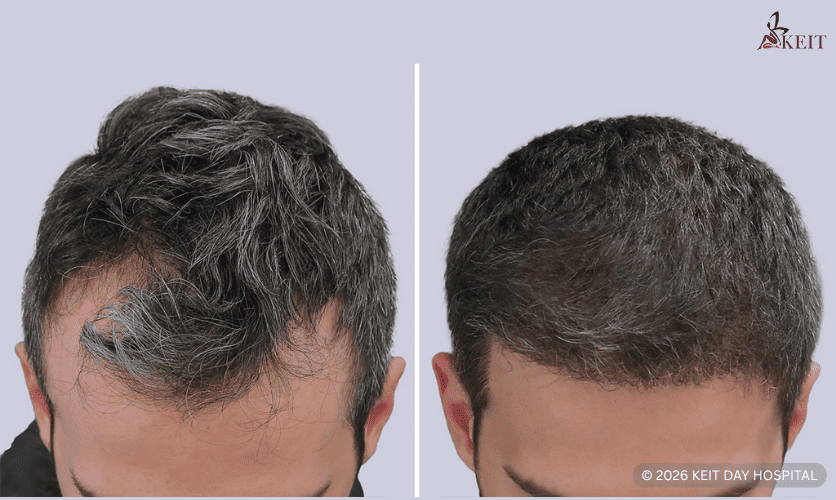
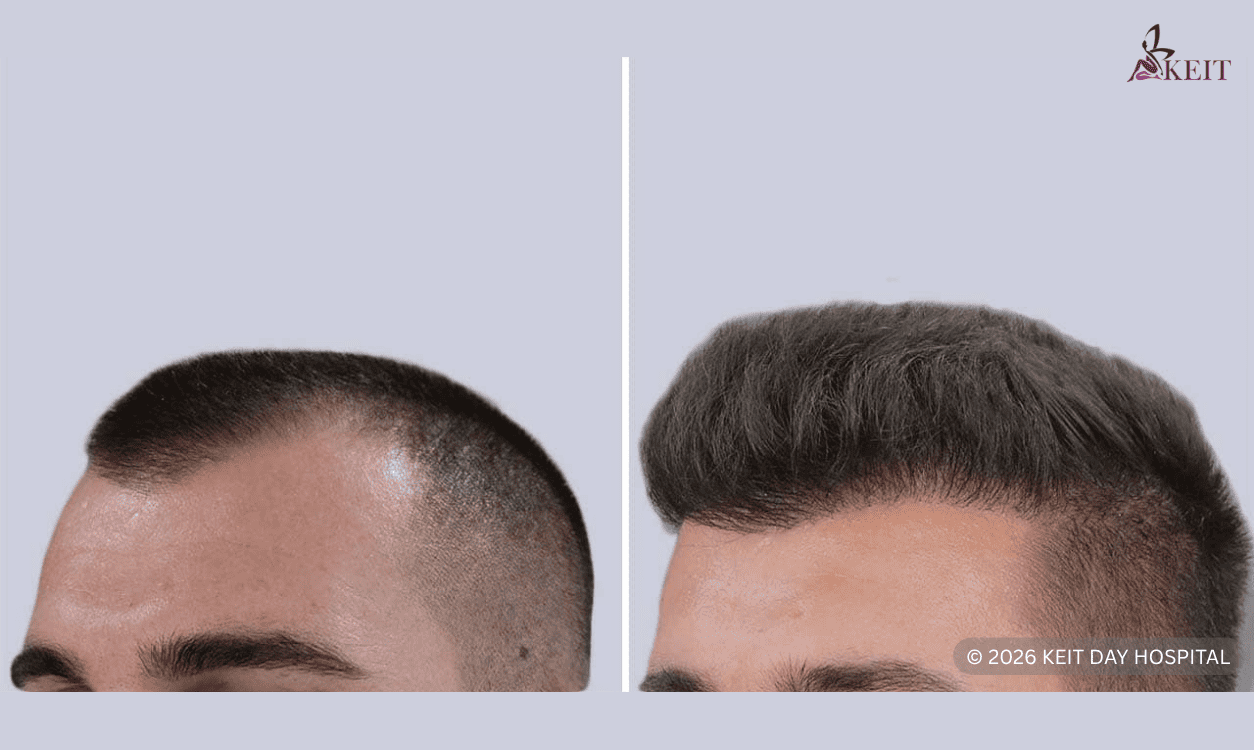
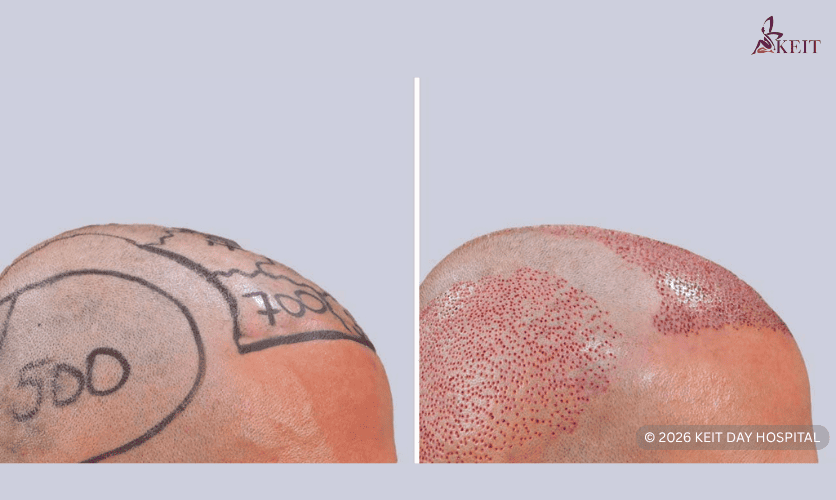
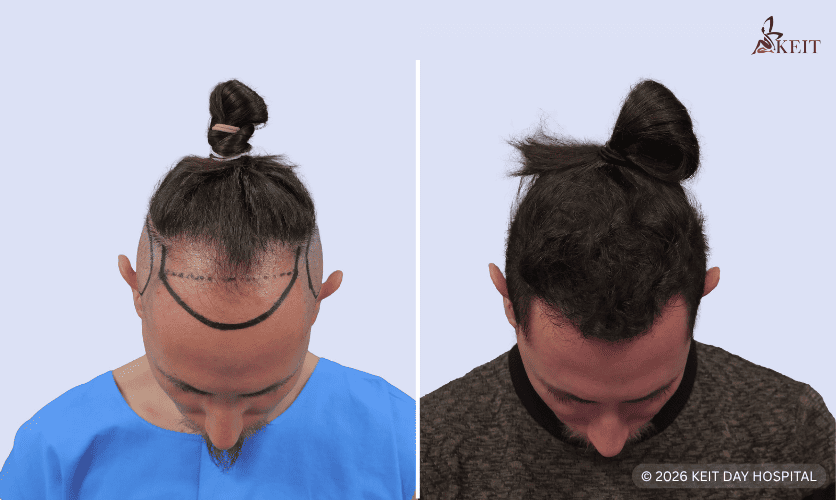
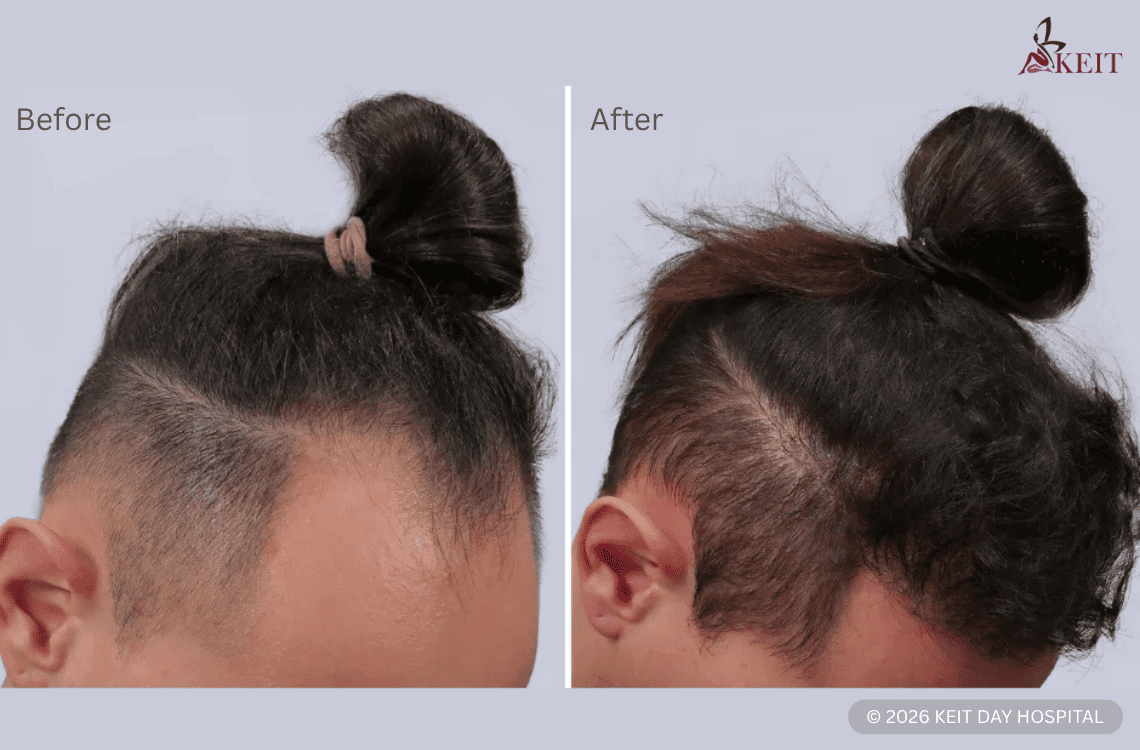
Hair transplant may be considered when long-term traction has permanently damaged the follicles and natural regrowth is unlikely. It should be performed only after the condition is stable, the source of tension has stopped, and any scalp inflammation or progressive hair loss has been addressed.
The procedure involves extracting healthy follicular units from the donor area, usually the back or sides of the scalp, and implanting them into areas of permanent thinning or bald patches. Suitability depends on donor hair quality, scalp condition, follicle scarring, and realistic density expectations.
When should you see a hair loss specialist for traction alopecia?
A hair loss specialist should assess traction alopecia when thinning persists, progresses, or shows signs of permanent follicle damage. Specialist evaluation is recommended if you notice:
- Persistent thinning: Hair loss along the hairline, temples, or sides that does not improve after stopping tight hairstyles.
- Scalp inflammation: Redness, tenderness, itching, or small bumps around the follicles.
- Visible bald patches: Areas of hair loss that are expanding or remain unchanged over time.
- Possible scarring: Smooth, shiny scalp skin or loss of visible follicle openings.
- Sudden patchy hair loss: Hair loss that appears quickly or does not match the pattern of traction alopecia.
- Treatment planning: Need for medical treatment, PRP therapy, or hair transplant assessment.
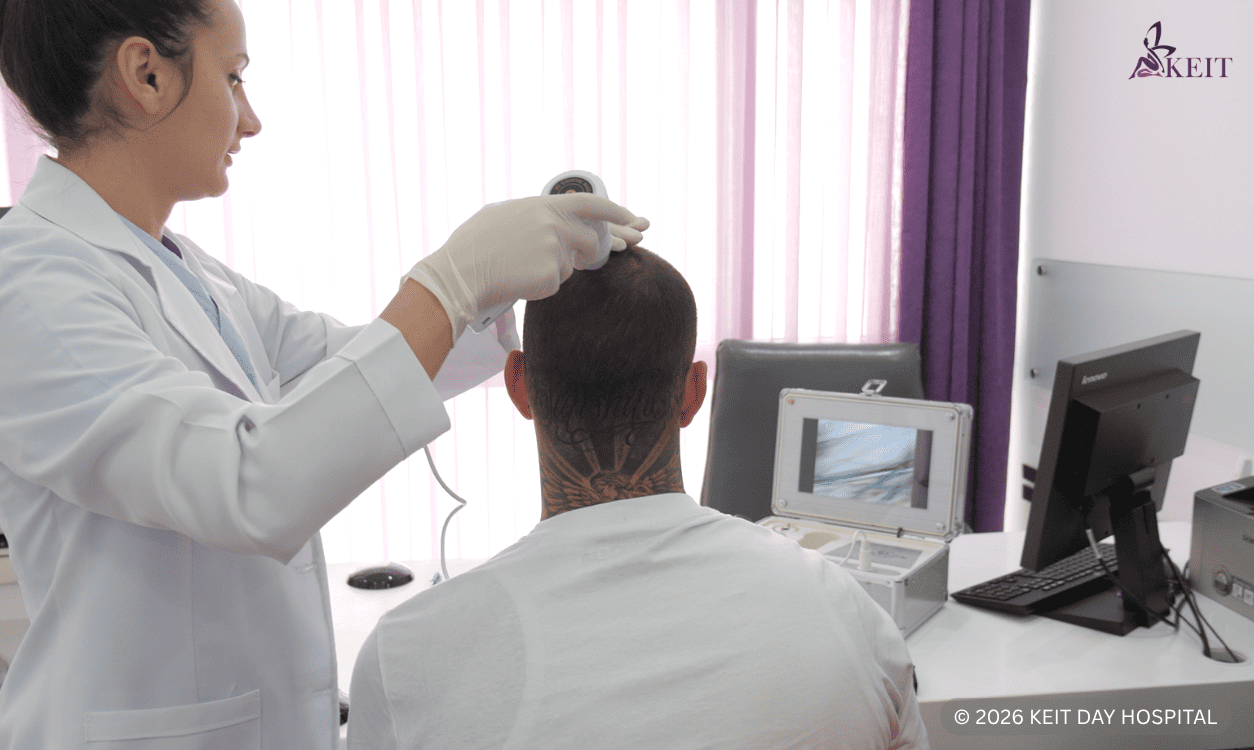
A clinical assessment helps distinguish traction alopecia from alopecia areata, androgenetic alopecia, or other hair loss conditions that require different treatment.