Published on:
 Modified on:

 Reading Time: 3 min
 Hair transplant
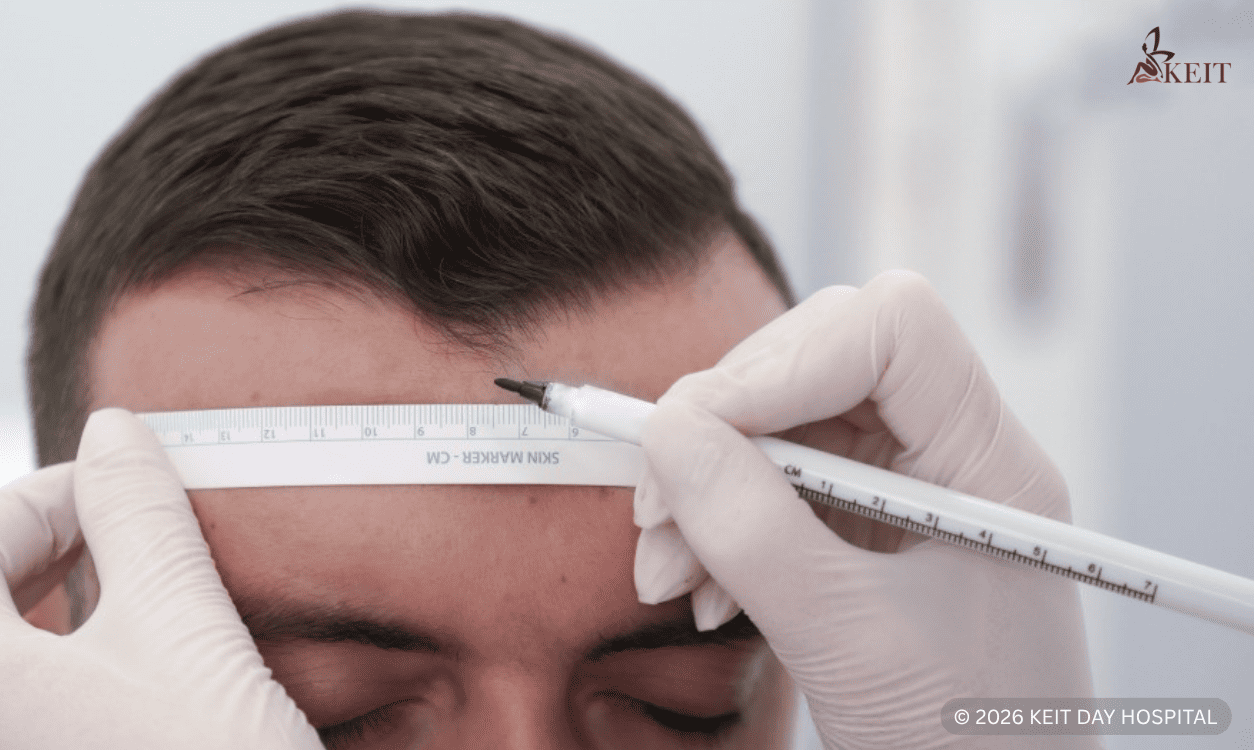
DHI hair transplant is a minimally invasive procedure where hair follicles are harvested and directly implanted into the scalp using a specialized Choi implanter pen. This method ensures precise placement, natural hairline design, and minimal trauma. It is ideal for patients seeking permanent hair restoration with shorter recovery and high graft survival.
 Table of Contents:
-
1
 What is a DHI hair transplant?
-
2
How does DHI hair transplant work?
-
3
DHI vs FUE: what is different?
-
4
Who is a good candidate for DHI hair transplant?
-
5
When DHI may not be the best option
-
6
DHI hair transplant recovery timeline
-
7
Risks and limitations of DHI hair transplant
-
8
DHI hair transplant cost
In this article, we’ll explain what a DHI hair transplant is, how it works, and the differences compared with traditional FUE. We will cover candidate suitability, limitations, the recovery timeline, potential risks, and cost considerations.
What is a DHI hair transplant?
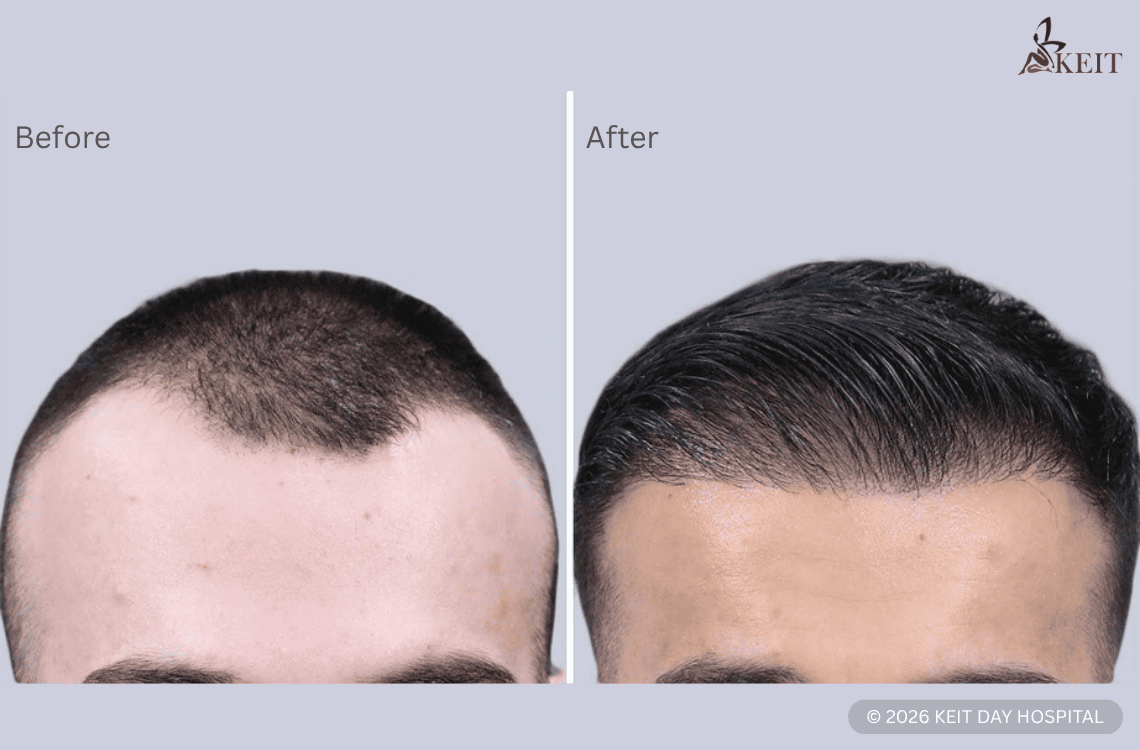
A DHI (Direct Hair Implantation) hair transplant is a minimally invasive technique in which hair follicles are extracted from the donor area and directly implanted into the recipient scalp without creating pre-made incisions. This method enables precise control over hair density, angle, and direction, producing natural-looking results with minimal scarring.
How does DHI hair transplant work?
DHI hair transplant involves a precise three-step process that ensures optimal placement, natural density, and minimal trauma to the scalp:
- Extraction: Follicular units are carefully harvested from the donor area, usually the back or sides of the scalp.
- Loading: Each follicle is gently loaded into the Choi implanter pen, which controls angle, depth, and orientation.
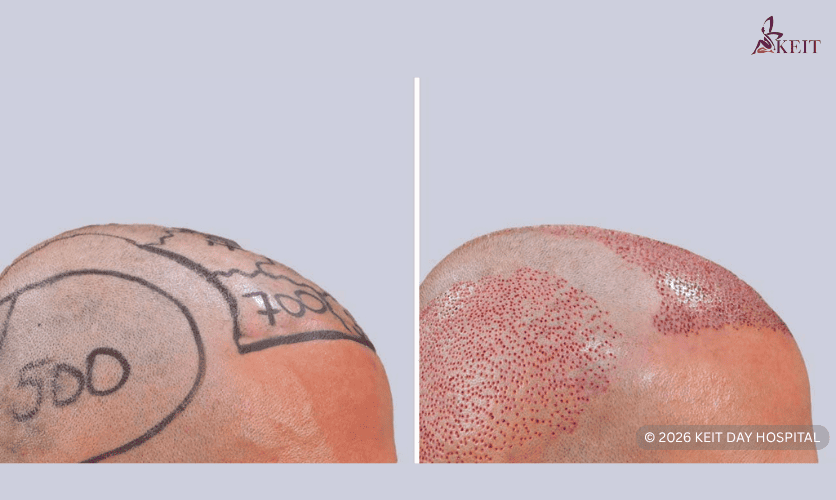
- Direct implantation: The loaded follicles are immediately implanted into the target area without separate incisions, optimizing density and natural hair growth.
DHI vs FUE: what is different?
DHI and FUE share follicular extraction, but they differ in implantation and outcomes:
- Implantation technique: DHI uses a direct implanter pen, placing grafts immediately after extraction. FUE requires pre-made recipient sites and separate insertion.
- Precision: DHI allows finer control of hairline design and density; FUE is suited for larger scalp coverage.
- Graft survival: Immediate implantation in DHI reduces out-of-body time, improving graft survival. FUE grafts may remain outside the body longer, slightly affecting survival rates.
- Recovery: Both techniques are minimally invasive, but DHI may cause slightly less trauma in delicate areas.
Who is a good candidate for DHI hair transplant?
DHI hair transplant is most suitable for patients seeking precise hair restoration and natural density. Ideal candidates typically:
- Have male or female pattern hair loss, thinning hair, or receding hairline.
- Desire precise hairline design or targeted high-density coverage in specific scalp areas.
- Have sufficient and healthy donor hair on the scalp or body for graft extraction.
- Prefer a minimally invasive procedure with reduced trauma, faster recovery, and lower risk of scarring.

When DHI may not be the best option
DHI may not be suitable in certain cases where alternative hair restoration techniques could provide better outcomes:
- Insufficient donor hair: Limited follicular availability may prevent achieving the desired density in the recipient area.
- Extensive baldness or advanced hair loss: Large areas may require multiple sessions or combined approaches, making FUE or FUT more practical.
- Scalp or medical conditions: Active infections, inflammatory scalp disorders, or systemic conditions that impair healing can compromise graft survival.
- Previous unsuccessful transplants: Scar tissue from prior procedures may limit implantation success.
DHI hair transplant recovery timeline
Recovery after a DHI hair transplant is gradual, with patients typically progressing through these stages:
- Immediately after: Mild swelling and redness may appear in donor and recipient areas.
- Days 3–7: Tenderness decreases; scabs form and begin falling naturally.
- Weeks 2–4: Newly implanted hairs start to settle; shedding may occur temporarily.
- Months 3–6: Visible hair growth emerges as follicles establish themselves.
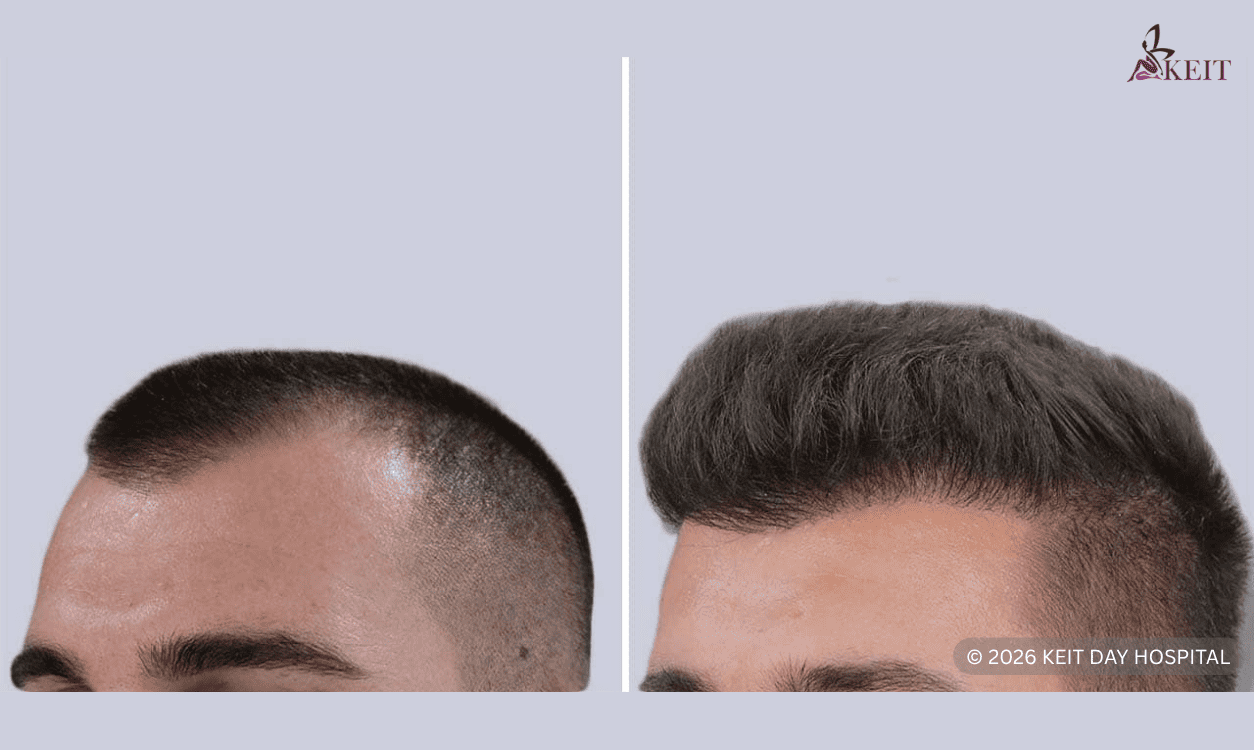
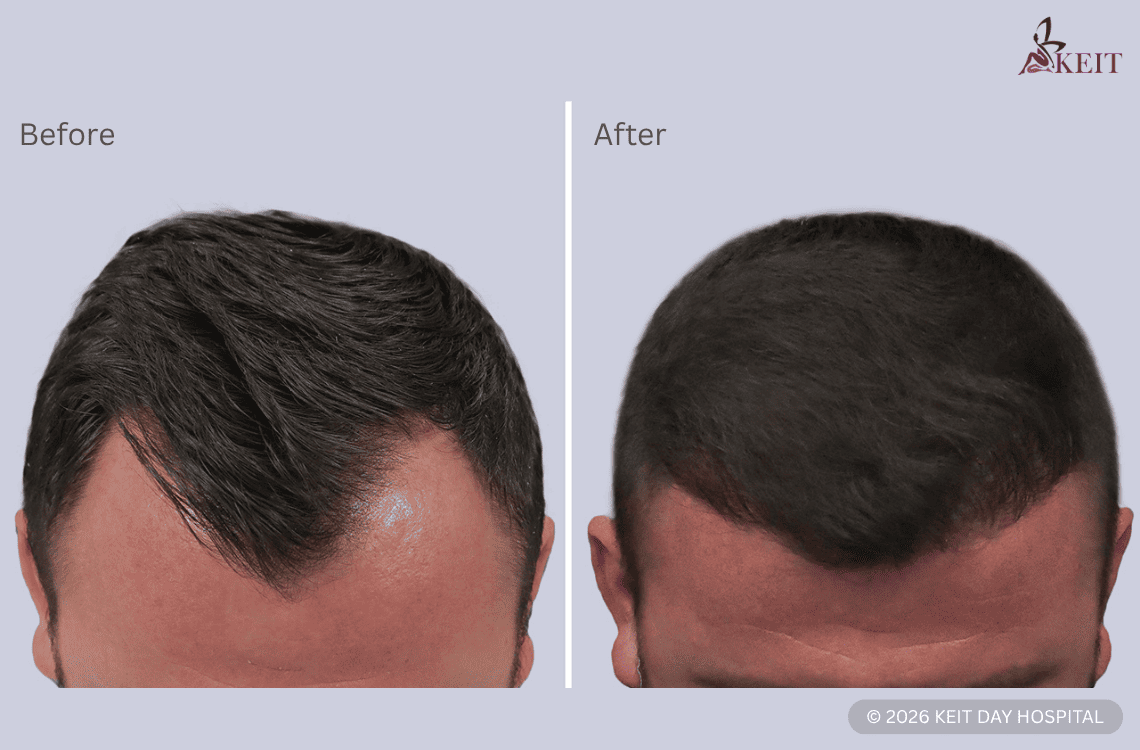
- 12 months: Final hair density and the full aesthetic outcome are typically achieved.
Risks and limitations of DHI hair transplant
DHI is generally safe under professional supervision, but temporary reactions can occur:
- Common effects: Mild swelling, redness, or tenderness at donor or recipient sites.
- Specific risks: Temporary thinning, follicle shock loss, or uneven density in the transplanted area.
- Rare risks: Infection, scarring, or poor graft survival if post-operative care is not properly followed.
Proper evaluation, precise technique, and adherence to post-operative instructions minimize risks and optimize results.
DHI hair transplant cost
In the UK, DHI hair transplant cost typically ranges from 5,000 to 10,000 euro. The final price depends on the number of grafts required, the extent of hair loss, the surgeon’s experience and reputation, and whether additional services like follow-up care or supplementary treatments are included.