Published on:
 Modified on:

 Reading Time: 4 min
 Hair transplant
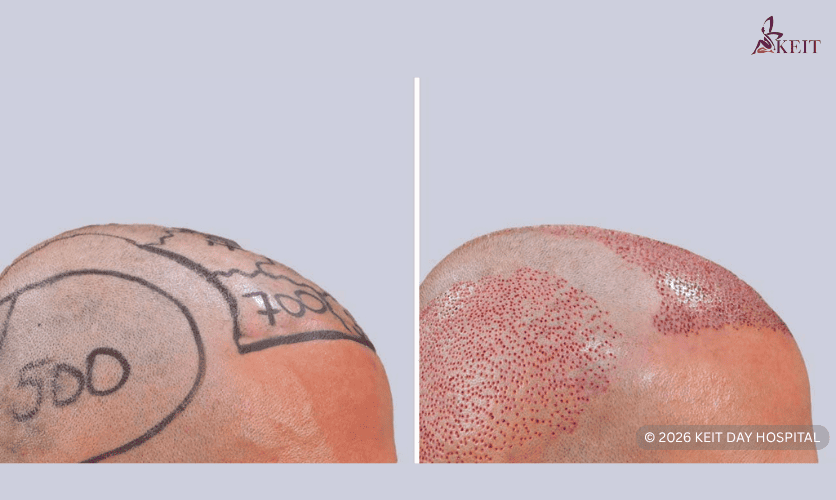
Sapphire FUE hair transplant is an advanced hair restoration technique where hair follicles are extracted individually and implanted using sapphire-blade precision. This method minimizes trauma, enhances healing, and achieves a natural hairline with improved graft survival and faster recovery compared to traditional FUE.
 Table of Contents:
-
1
 Sapphire FUE hair transplant: what it is
-
2
How Sapphire FUE differs from traditional FUE
-
3
Benefits of Sapphire FUE hair transplant
-
4
Who is an ideal candidate for Sapphire FUE
-
5
Sapphire FUE vs DHI: Key differences
-
6
Sapphire FUE recovery timeline
-
7
Potential risks and complications of Sapphire FUE
-
8
Cost of Sapphire FUE hair transplant
In this article, we’ll explain what a Sapphire FUE hair transplant is, how it differs from traditional FUE, and the specific benefits it offers. We will cover ideal candidate criteria, comparisons with DHI, recovery timelines, potential risks, cost considerations, and frequently asked questions, providing a complete guide for patients seeking safe, effective, and natural-looking hair restoration.
Sapphire FUE hair transplant: what it is
Sapphire FUE is a hair transplant technique in which individual follicles are harvested from the donor area and implanted into the scalp using sapphire-tipped blades. These ultra-sharp, biocompatible blades allow for more precise and smaller recipient incisions, reducing tissue trauma, promoting faster healing, and enabling higher graft density. The method supports natural hairline design, improved follicle survival, and a minimally invasive experience performed under local anesthesia.
How Sapphire FUE differs from traditional FUE
Sapphire FUE differs from traditional FUE in several clinically significant ways:
- Incision precision: Sapphire blades create finer, cleaner recipient sites compared to steel blades used in conventional FUE.
- Tissue trauma: Reduced trauma leads to less bleeding, faster healing, and lower risk of scarring.
- Graft survival: Immediate, precise implantation with optimal spacing improves follicle survival rates.
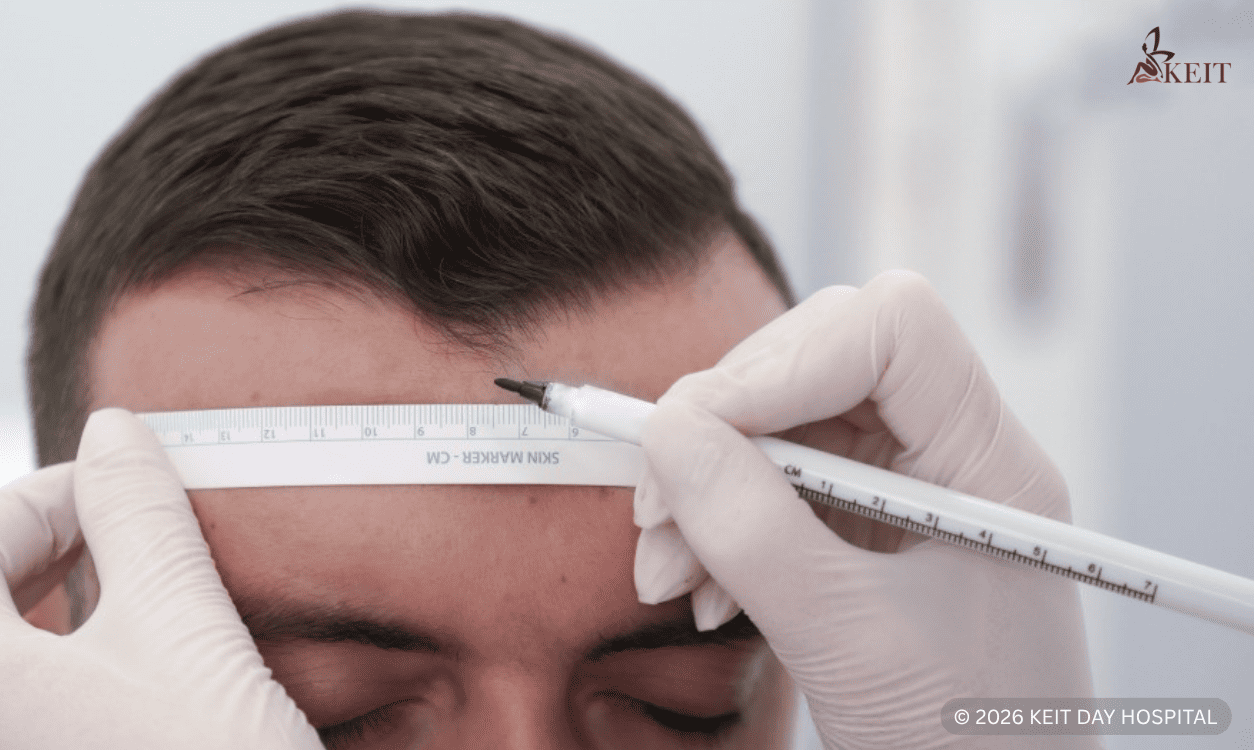
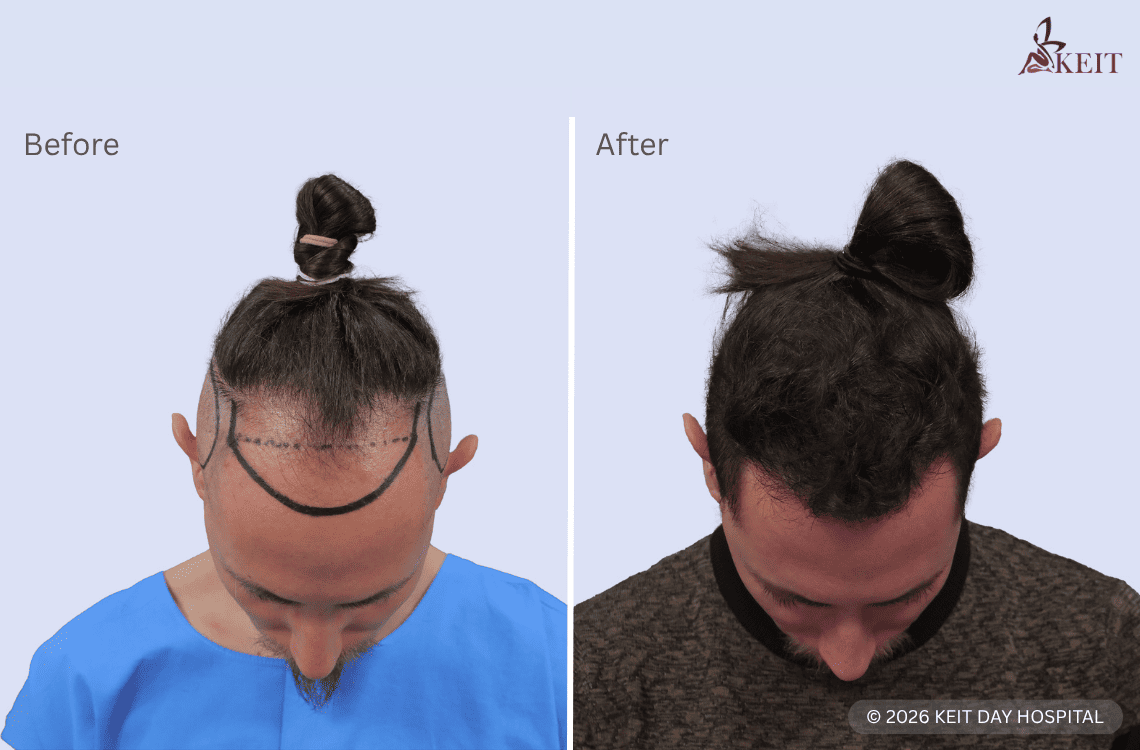
- Hairline design: Greater control over follicle angulation and density allows for a more natural and aesthetically balanced hairline.
- Recovery: Patients experience reduced redness, swelling, and post-operative discomfort, allowing for earlier return to daily activities.
Benefits of Sapphire FUE hair transplant
Sapphire FUE offers several advantages for patients seeking modern hair restoration:
- Minimally invasive: Individual follicle extraction preserves donor site integrity and reduces tissue trauma.
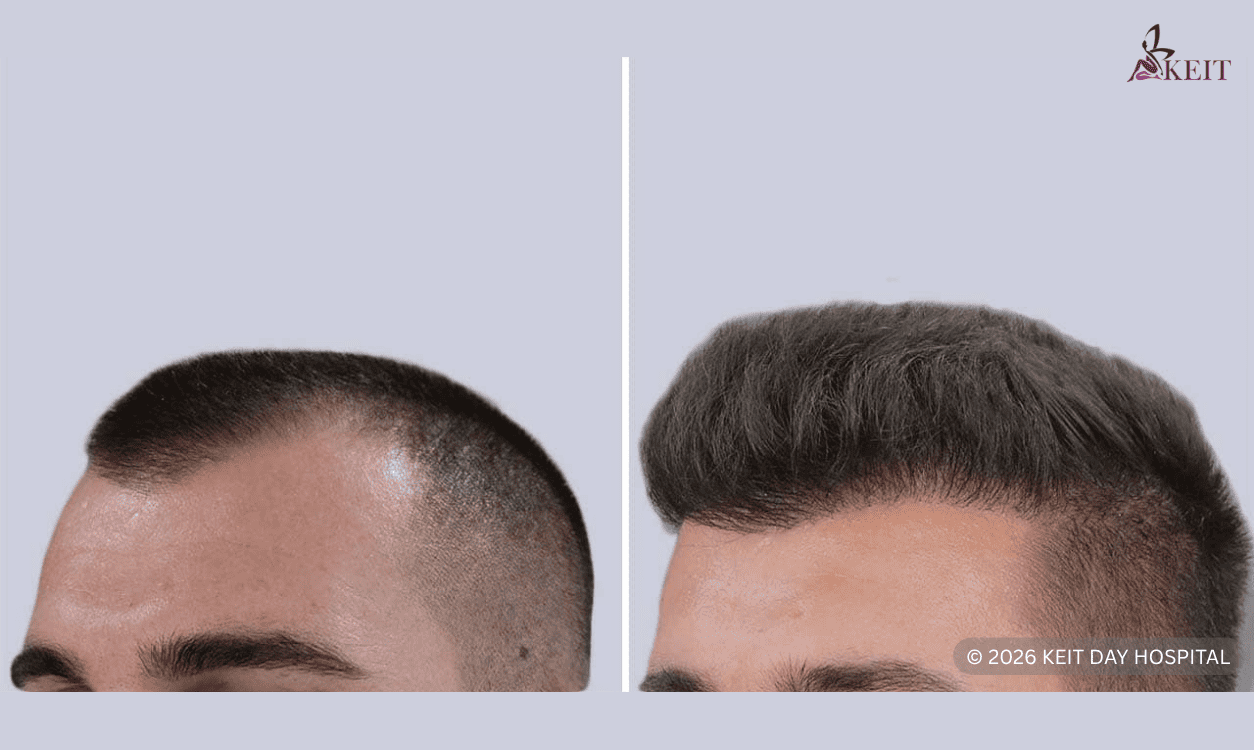
- Natural-looking results: Precision-made sapphire blade incisions allow realistic hairline design and consistent density.
- Faster recovery: Reduced trauma promotes quicker healing and minimizes downtime.
- High graft survival: Controlled implantation ensures long-term retention and vitality of transplanted follicles.
- Versatility: Effective for restoring hair on the scalp, eyebrows, beard, and temples.
Who is an ideal candidate for Sapphire FUE
Sapphire FUE is suitable for adults experiencing hair loss who:
- Have androgenetic (male or female pattern) hair loss or diffuse thinning.
- Possess a healthy and sufficient donor area for graft extraction.
- Prefer a minimally invasive technique with minimal scarring and faster recovery.
- Desire a precise, natural-looking hairline and uniform density.
- Are in good overall health with no medical conditions that could compromise healing or graft survival.
Sapphire FUE vs DHI: Key differences
While both Sapphire FUE and DHI hair transplant are minimally invasive hair restoration techniques, key differences include:
- Implantation method: Sapphire FUE uses sapphire blades for recipient site creation followed by graft insertion, while DHI employs a Choi pen for simultaneous extraction and implantation.
- Precision: Sapphire FUE allows for more precise site creation across large areas; DHI provides meticulous follicle placement in high-density zones.
- Graft survival: Both have high success rates, though immediate implantation in DHI may slightly enhance follicle retention in sensitive zones.
- Recovery: Both techniques are low-downtime, but reduced incision trauma in Sapphire FUE can shorten redness and healing times for extensive sessions.

Sapphire FUE recovery timeline
Recovery after a Sapphire FUE hair transplant is gradual and usually well-tolerated:
- Days 1–3: Mild swelling, redness, and scalp tenderness; light activities can be resumed.
- Days 4–7: Tiny scabs form at follicle sites and begin to shed naturally; most swelling subsides.
- Weeks 2–4: Transplanted hairs may shed temporarily as follicles enter the resting phase.
- Months 3–6: New hair growth becomes visible; density gradually increases.
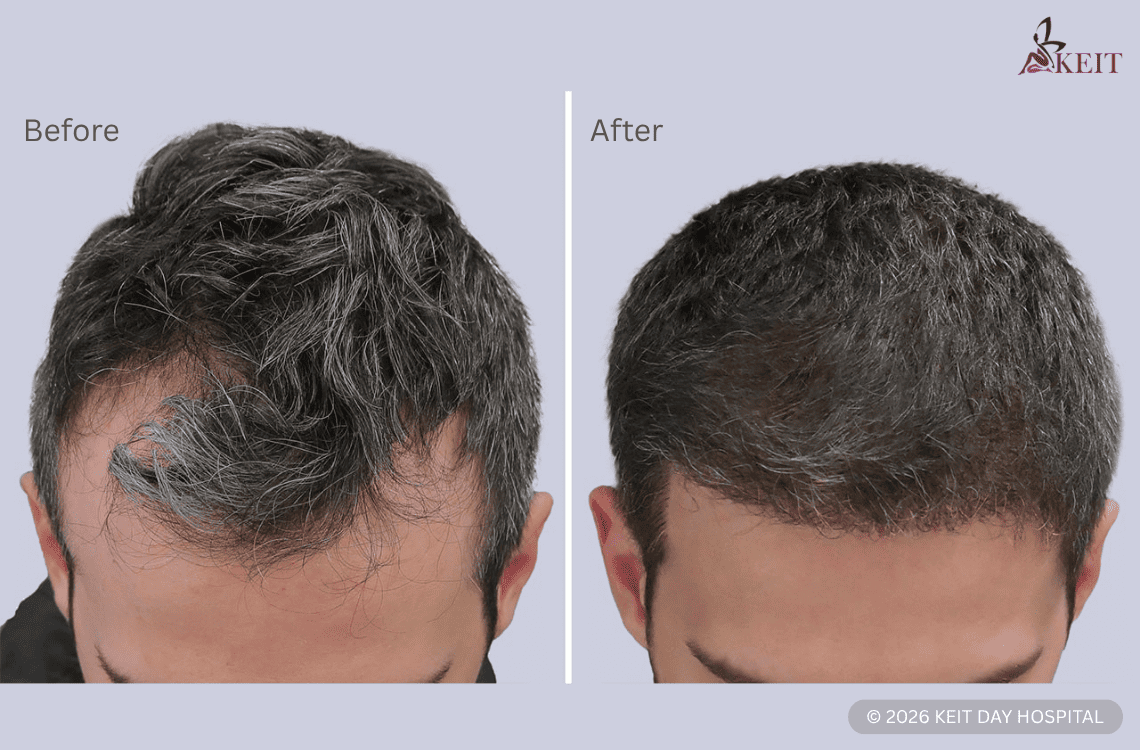
- Months 12–15: Full aesthetic results are achieved with a natural hairline and uniform scalp coverage.
During early recovery, patients should avoid direct trauma, harsh chemical treatments, and prolonged sun exposure to protect grafts and ensure optimal growth.
Potential risks and complications of Sapphire FUE
Sapphire FUE is a safe and minimally invasive hair transplant technique, but as with any surgical procedure, some risks exist:
- Common effects: Mild redness, temporary swelling, tenderness, or minor crusting at the donor or recipient site.
- Specific risks: Temporary shock loss of transplanted follicles, localized numbness, or minor irregularities in hair density.
- Rare risks: Infection, scarring, or incomplete graft survival due to improper aftercare or underlying medical conditions.
Careful pre-operative assessment, precise surgical technique, and adherence to aftercare protocols minimize complications.
Cost of Sapphire FUE hair transplant
In the UK, the cost of a Sapphire FUE hair transplant ranges from 3,500 to 9,000 euro, depending on the number of grafts required, the areas treated, surgeon experience, and clinic reputation. Larger sessions and advanced design may increase the price, while consultation fees, post-operative care, and supplementary treatments can also affect the overall package. A personalized assessment is essential to determine the precise cost based on individual needs, donor availability, and the planned surgical outcome.