Published on:
 Modified on:

 Reading Time: 6 min
 Rhinoplasty
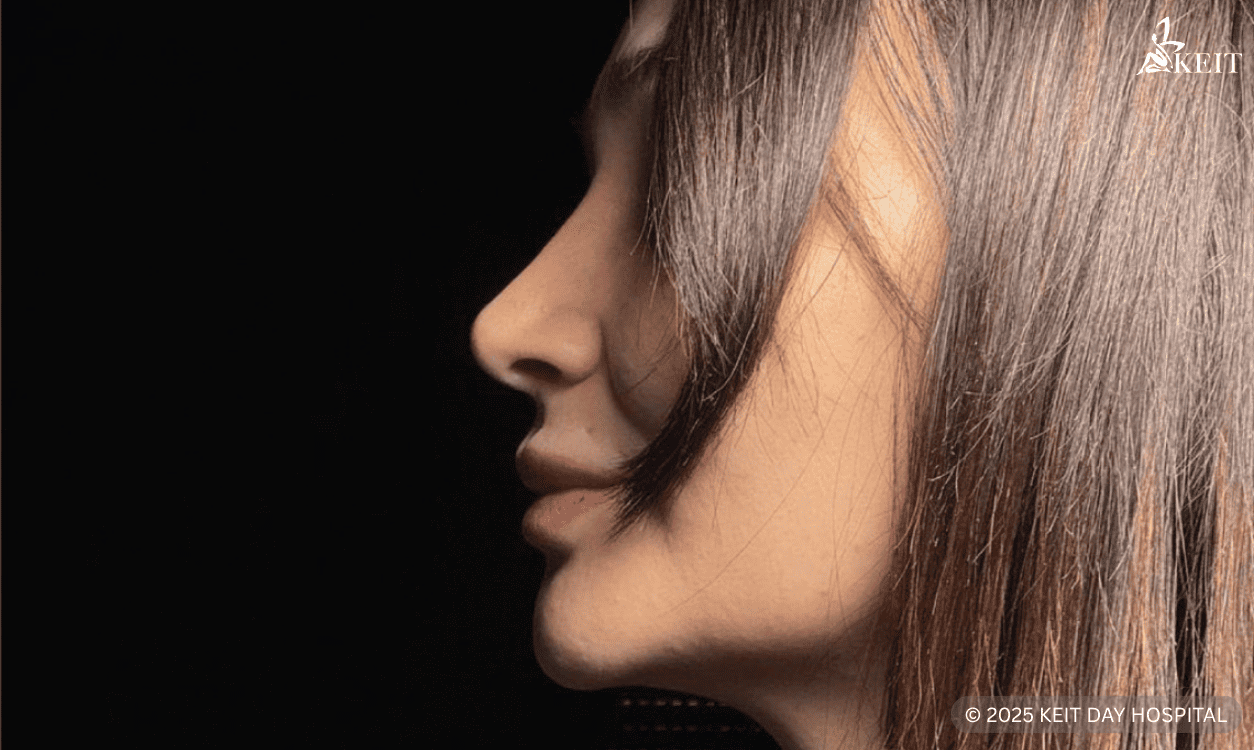
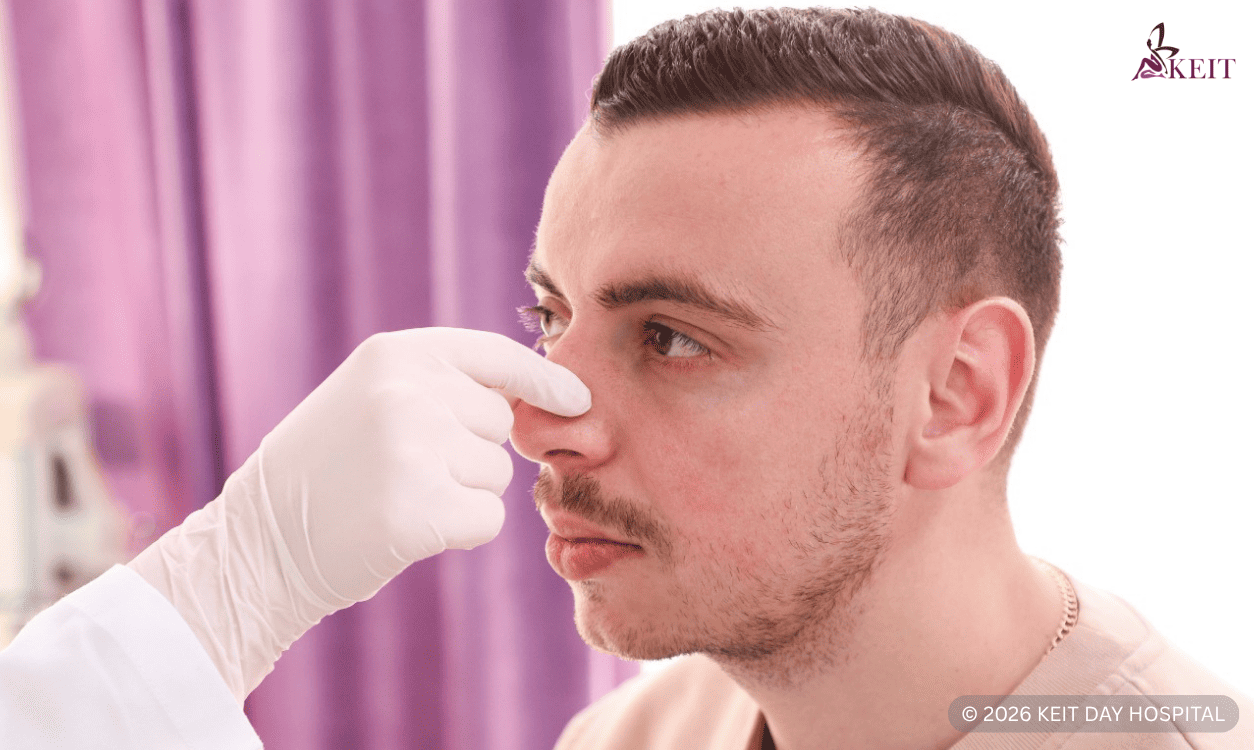
, also known as nose job, is a surgical procedure that reshapes the nose to enhance appearance and, when needed, improve breathing. It can refine a dorsal hump, bulbous tip, or other aesthetic concerns while correcting structural issues. Different nasal shapes can influence the surgical strategy, as explained in our guide to types of noses .By adjusting bone, cartilage and soft tissue, skilled surgeons create facial balance and natural results.
 Table of Contents:
-
1
 Rhinoplasty explained: How nose reshaping works
-
2
Open rhinoplasty: The surgical technique for precision
-
3
Closed rhinoplasty: The minimally invasive technique
-
4
Nose surgery: Main rhinoplasty procedures
-
5
Ideal candidate for nose reshaping: Key factors to consider
-
6
Rhinoplasty surgery: The journey to your nose job
-
7
Nose reconstruction recovery time: The key stages
-
8
Nose job surgery: Potential risks and considerations
-
9
Choosing the right clinic for your nose job
In this article, we explain what nose reshaping is, how rhinoplasty works, which techniques may be used, who is a suitable candidate, and what to expect before, during, and after surgery. We also cover recovery time, possible risks, benefits, and how to choose the right rhinoplasty clinic.
Rhinoplasty explained: How nose reshaping works
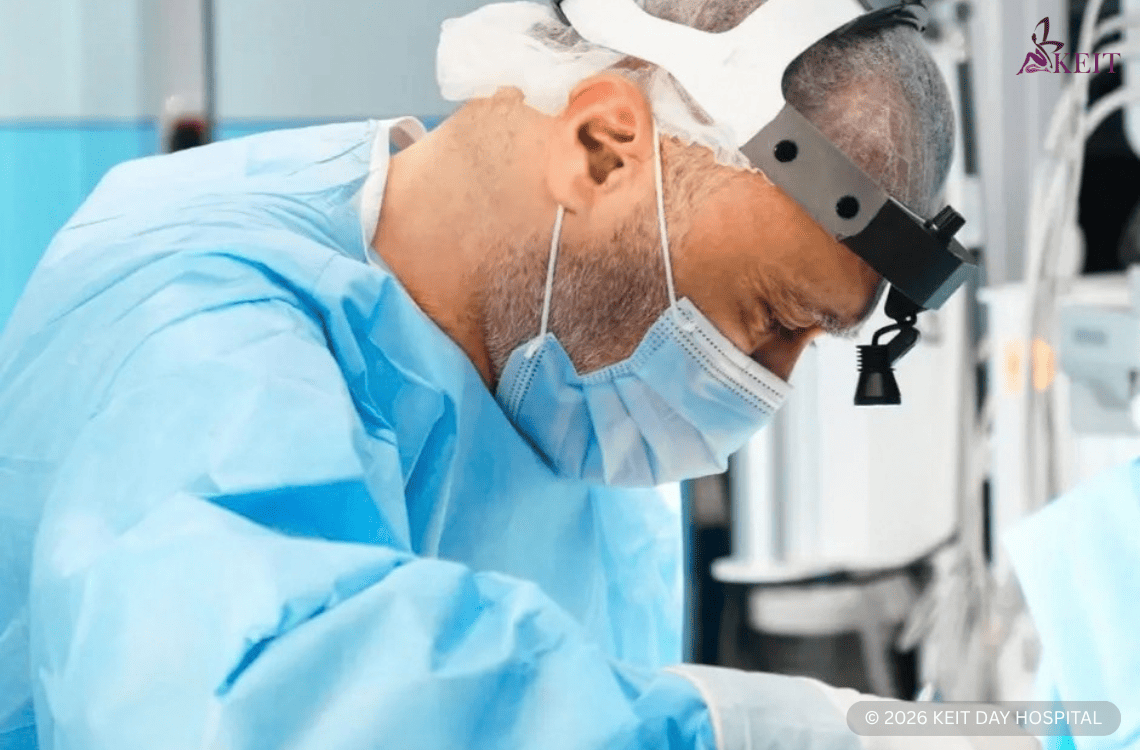
Rhinoplasty is performed under general anesthesia and usually lasts 2 to 4 hours. It begins with carefully placed incisions that allow the surgeon to access the nasal structure. These incisions are either hidden inside the nostrils in closed rhinoplasty or placed across the columella, the skin between the nostrils, in open rhinoplasty.
Once the skin is lifted, the surgeon reshapes the underlying bone and cartilage based on the patient’s goals and anatomy. This may include reducing a dorsal hump, narrowing wide nasal bones, refining the nasal tip with sutures, or using small grafts for structural support. After reshaping is complete, the skin is repositioned and the incisions are closed. A nasal splint is then applied to protect the new shape and support healing during the initial recovery period.
Open rhinoplasty: The surgical technique for precision
Open rhinoplasty uses a small incision on the columella, the skin between the nostrils, allowing the surgeon to lift the nasal skin and clearly view the underlying bone and cartilage. This direct visibility makes the open technique suitable for complex cases that require detailed tip refinement or structural correction. It allows precise adjustments, but may involve a longer swelling period and a small columella scar that usually fades well over time.
Closed rhinoplasty: The minimally invasive technique
Closed rhinoplasty places all incisions inside the nostrils, allowing the surgeon to reshape the nose without external cuts. This approach is less invasive and is often used for subtle adjustments to the nasal bridge or tip. This technique requires a high degree of skill, as the surgeon works without the benefit of a direct view of the nasal framework. Its main advantages include no visible external scar, less initial swelling, and a potentially faster early recovery. Its limitation is reduced surgical visibility compared with open rhinoplasty.
Nose surgery: Main rhinoplasty procedures
Rhinoplasty is a fully personalised procedure that enhances facial harmony while improving nasal function. Revision rhinoplasty refines unsatisfactory results from past surgery, restoring both aesthetics and confidence. Septoplasty straightens a deviated septum for easier breathing, while rhinoseptoplasty surgery combines functional correction with cosmetic reshaping. For those with a wide or rounded nasal tip, bulbous nose rhinoplasty offers precise contouring to achieve a more refined and proportionate profile.
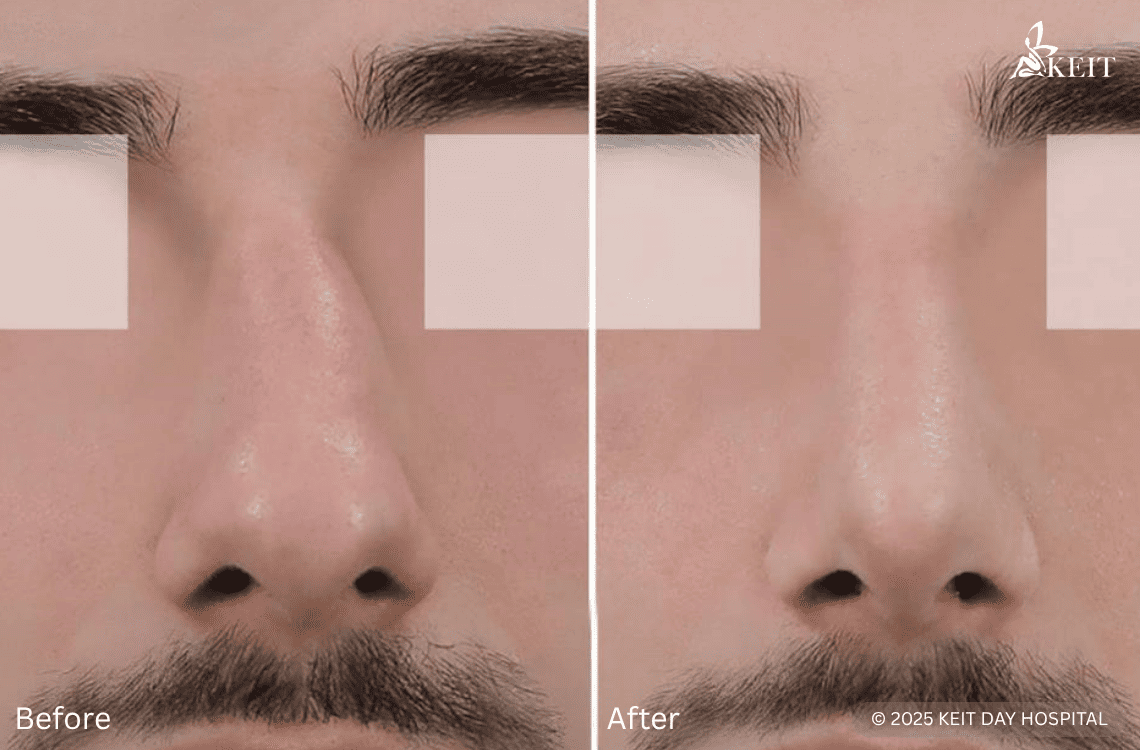
Revision rhinoplasty: Correcting previous nose surgeries
Revision rhinoplasty corrects aesthetic or functional concerns after a previous nose surgery. It is more complex than primary rhinoplasty due to the presence of scar tissue, altered anatomy and often a limited supply of healthy nasal cartilage. Surgeons frequently use cartilage grafts, often sourced from the patient’s ear or rib, to reconstruct and rebuild the nasal framework.
Rhinoseptoplasty surgery: One procedure, two powerful results
Rhinoseptoplasty combines cosmetic nose reshaping with functional breathing correction. It addresses both the external appearance of the nose and a deviated septum, making it more comprehensive than rhinoplasty or septoplasty alone. The surgeon straightens the deviated septum to improve airflow, then reshapes the nasal framework according to the aesthetic plan.
Septoplasty: Fixing a deviated septum
Septoplasty is a surgical procedure designed to improve nasal breathing by straightening a deviated septum, the wall of bone and cartilage that separates the nasal passages. Unlike rhinoplasty, it focuses on function rather than appearance. Through internal incisions, the surgeon reshapes or repositions the septal cartilage and bone to improve airflow.
Bulbous nose: Technique for refining only the nasal tip
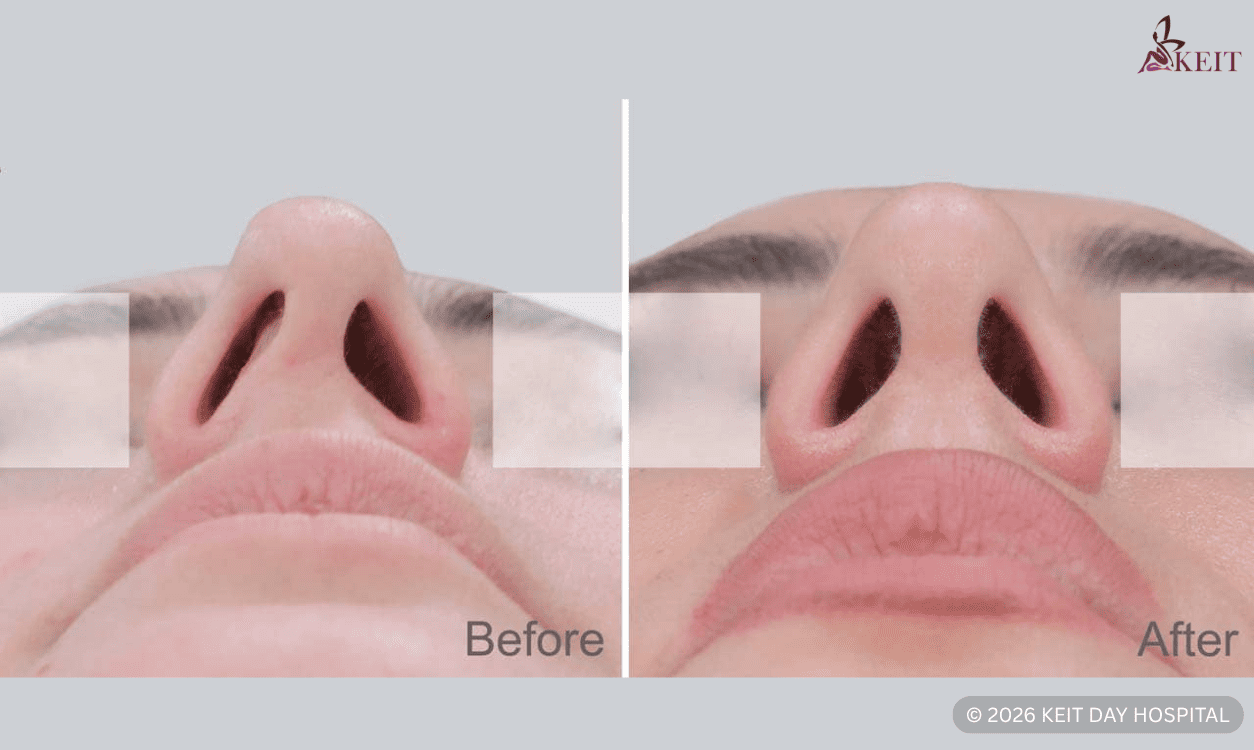
Rhinoplasty for a bulbous nose refines a round, wide, or poorly defined nasal tip by reshaping the underlying cartilage. The goal is to improve tip definition and create better balance with the rest of the nose. The surgeon may trim, suture, or reposition the tip cartilage to reduce width and improve definition.
Ideal candidate for nose reshaping: Key factors to consider
A suitable candidate for nose reshaping should meet certain medical, anatomical, and emotional criteria before undergoing surgery. The main factors include:
- good overall physical health;
- fully developed facial features, usually from age 15 or older;
- cosmetic concerns such as a dorsal hump, crooked bridge, wide nostrils, or nasal asymmetry;
- functional concerns such as breathing difficulties caused by a deviated septum;
- realistic expectations about the results;
- non-smoking status, or willingness to stop before and after surgery.
Rhinoplasty surgery: The journey to your nose job
Nose surgery is planned step by step, from the first consultation to the day of the operation. The main stages include:
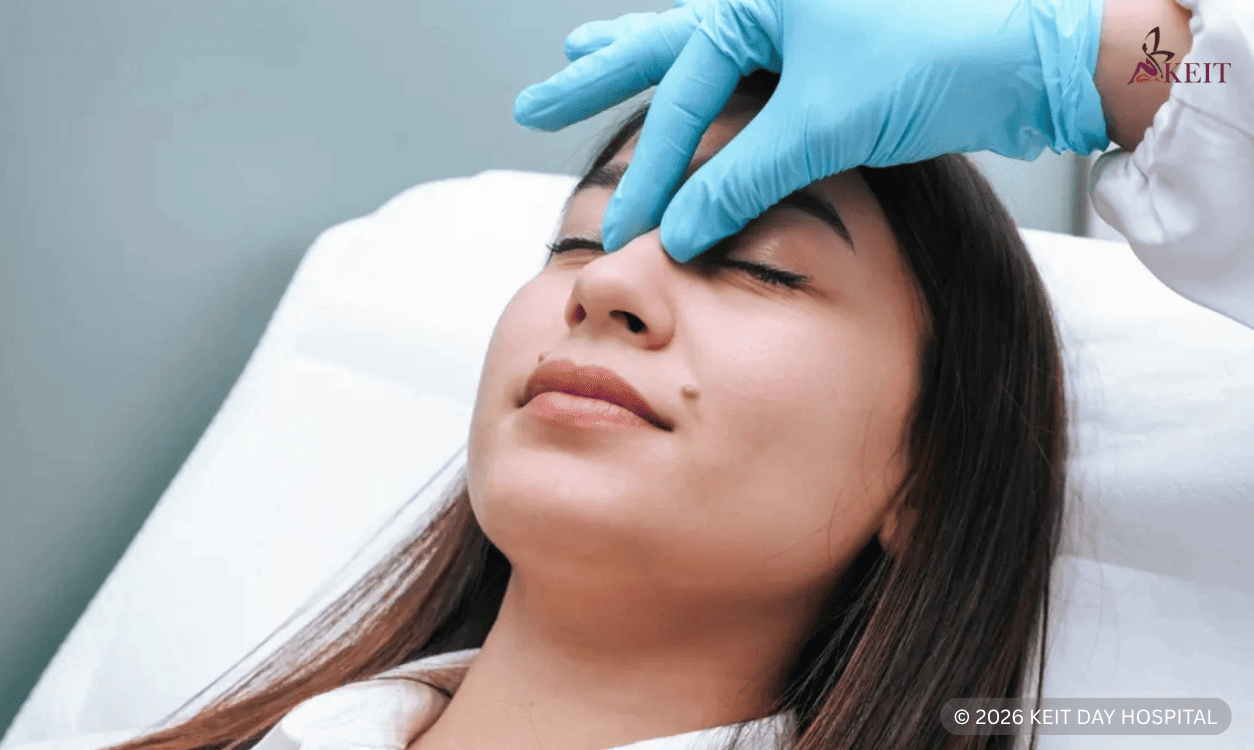
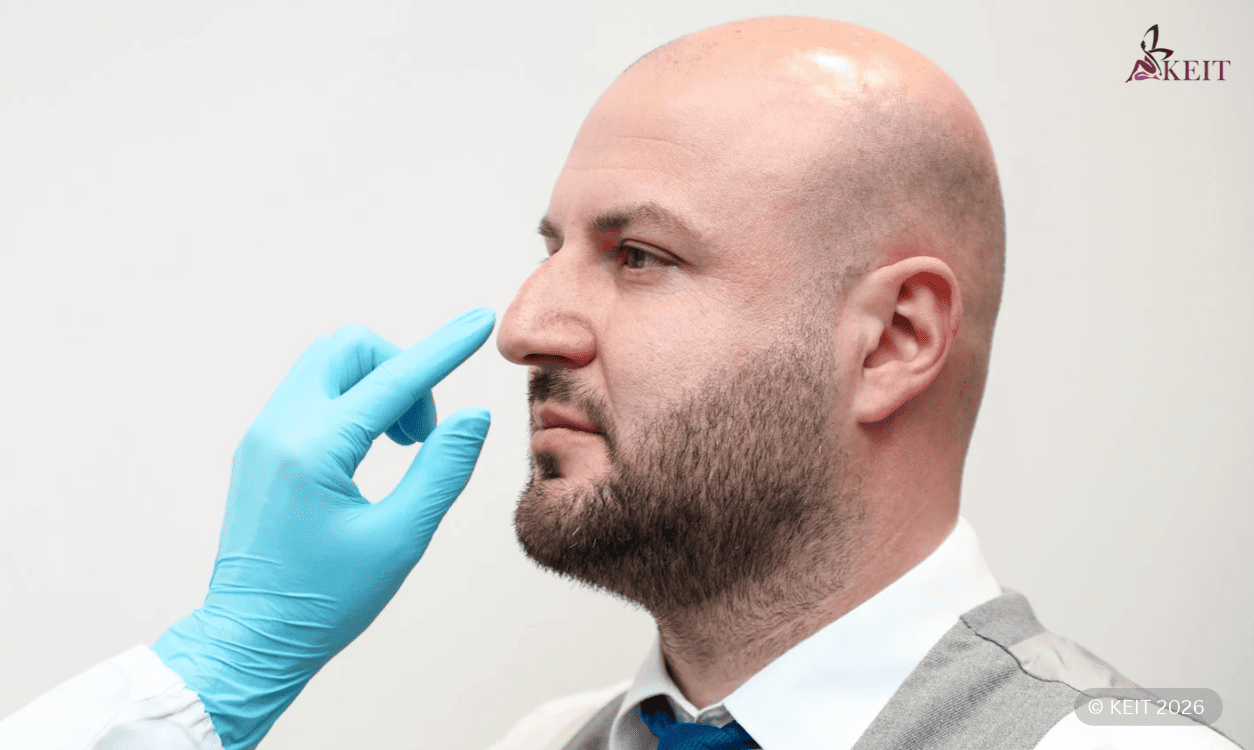
- The consultation and simulation: The surgeon assesses your nasal anatomy, discusses your goals, and may use 3D simulation to preview the expected result;
- Planning and safety checks: Once the surgical plan is defined, pre-operative tests are prescribed to confirm your health status and reduce surgical risks;
- The day of the surgery: The medical team prepares you for the procedure, and the anesthetist explains the anesthesia plan before the operation begins.
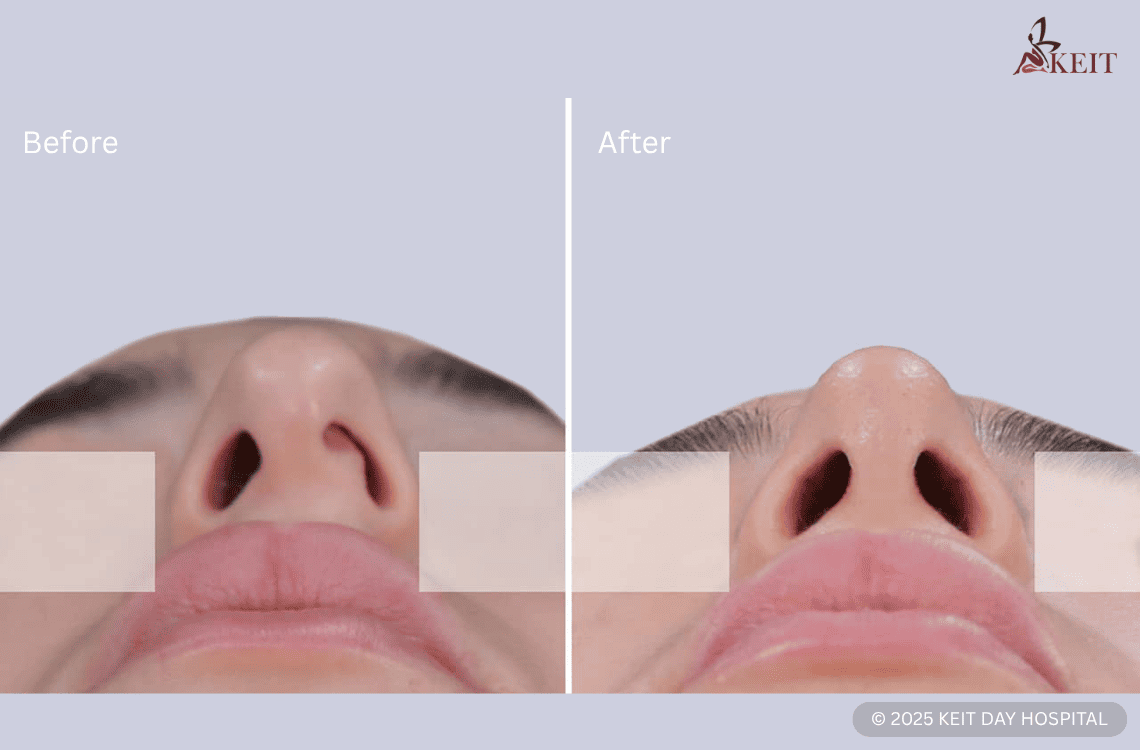
Nose reconstruction recovery time: The key stages
Rhinoplasty recovery is gradual, with each stage bringing visible changes from the day of surgery to the unveiling of the final results. The main stages include:
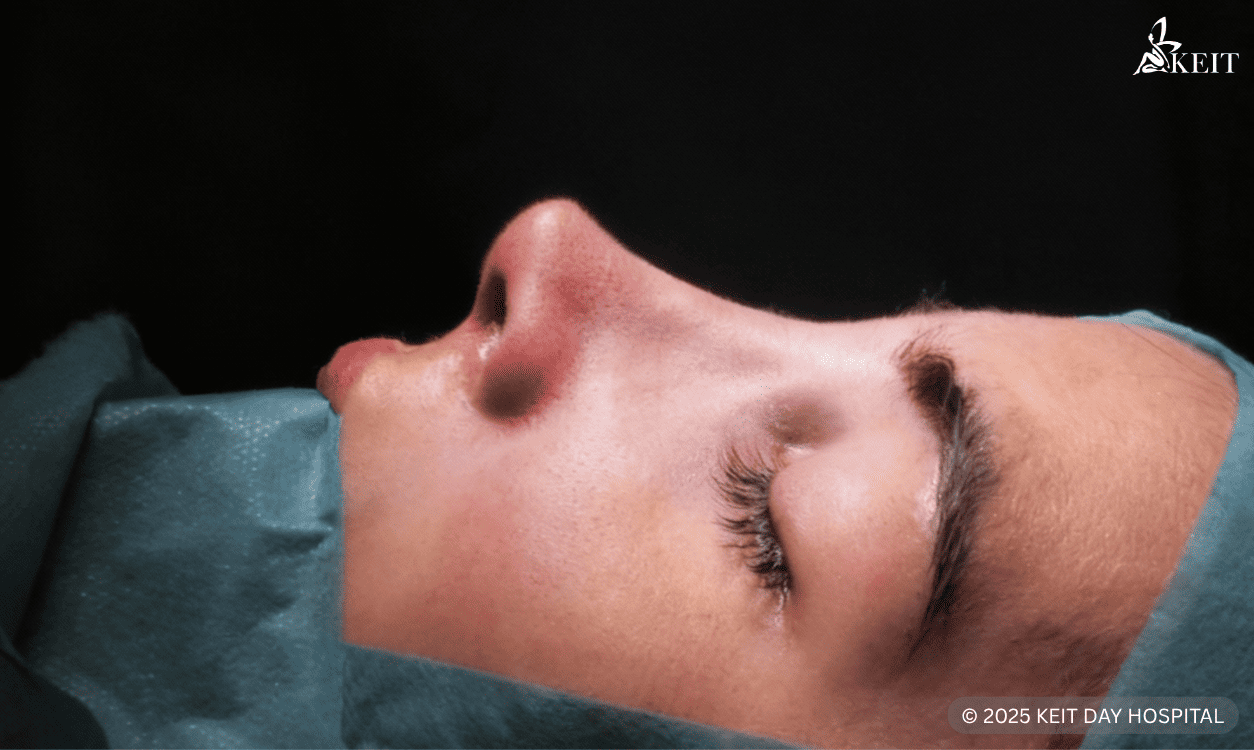
Day of surgery: Mild to moderate swelling, nasal congestion and possible fatigue from anesthesia. Silicone splints and tape will be in place for support.
- First 2 – 3 days: Swelling and bruising around the eyes peak; discomfort is managed with prescribed medication.
- End of first week: Splints and any external stitches are removed. Bruising begins to fade and swelling starts to subside.
- Weeks 2 – 4: Most bruising resolves and breathing gradually improves, although tip swelling may remain.
- Months 1 – 3: Swelling continues to reduce. The nose begins to refine in shape and most normal activities can resume.
- Months 6 – 12: Final definition becomes more apparent. Subtle swelling fully resolves, revealing the permanent shape of the nose.
Nose job surgery: Potential risks and considerations
Like any surgical procedure, rhinoplasty carries potential risks and complications. These can be grouped into short-term, functional, aesthetic and long-term complications:
- Short-term risks: Temporary swelling and bruising, mild bleeding, temporary numbness of the nasal tip, delayed wound healing, and, rarely, infection;
- Functional risks: Breathing difficulties caused by internal swelling, scar tissue, or in rare cases a septal perforation, which may affect airflow.
- Aesthetic risks: Asymmetry, tip irregularities, or contour disproportion can occur as the nose heals. Open rhinoplasty may leave a small columella scar, though it usually fades well.
- Long-term risks: Individual healing responses may lead to unpredictable outcomes and some cases may require revision surgery to refine functional or cosmetic results.
Book your FREE
Online Consultation Now

Choosing the right clinic for your nose job
Choosing the right rhinoplasty clinic is essential for safety, planning, and reliable results. Before booking surgery, patients should check:
- Accreditation and safety standards: The clinic should be licensed and follow recognized European hygiene and safety protocols.
- Surgeon and anaesthesia qualifications: The surgeon should have proven experience in rhinoplasty, and a qualified anaesthetist should monitor the patient throughout the procedure.
- Technology and aftercare: The clinic should use appropriate surgical equipment and provide clear follow-up and emergency protocols.
- Cost and legal transparency: Patients should receive a detailed quote, written contract, and official invoice.