Published on:
 Modified on:

 Reading Time: 6 min
 Rhinoplasty
 is one of the most personal plastic surgery decisions because even small changes to the nose can affect the overall balance of the face. Before choosing a nose job procedure, the consultation helps you understand what is possible, what is safe, and whether rhinoplasty surgery is the right option for your goals.
 Table of Contents:
-
1
 Why a rhinoplasty consultation matters before nose surgery
-
2
What happens during a rhinoplasty consultation?
-
3
How to explain the nose changes you want
-
4
Cosmetic vs. functional rhinoplasty: what should you discuss?
-
5
What your surgeon should explain about the rhinoplasty procedure
-
6
Results, risks, and rhinoplasty recovery
-
7
Rhinoplasty cost and final planning before surgery
-
8
Key questions to ask at your rhinoplasty consultation
This article explains what to expect during a rhinoplasty consultation, how to talk about the nose changes you want, which questions to ask your surgeon, and what details to clarify about results, recovery, risks, and cost before moving forward.
Why a rhinoplasty consultation matters before nose surgery
A rhinoplasty consultation is the foundation for a safe, realistic nose surgery plan. It allows the surgeon to assess your facial balance, expectations, and whether rhinoplasty surgery is suitable for your case. This matters because every nose job procedure should be personalised. A patient who wants a smaller nasal bridge may need a different approach from someone considering tip refinement, nose straightening, or full nose reshaping surgery.
The consultation is also the time to discuss factors that may affect the result, such as breathing issues, previous trauma, past procedures, skin thickness, facial proportions, and healing expectations. By the end, you should have a clear treatment plan, not just a vague idea of “getting a nose job”.
What happens during a rhinoplasty consultation?
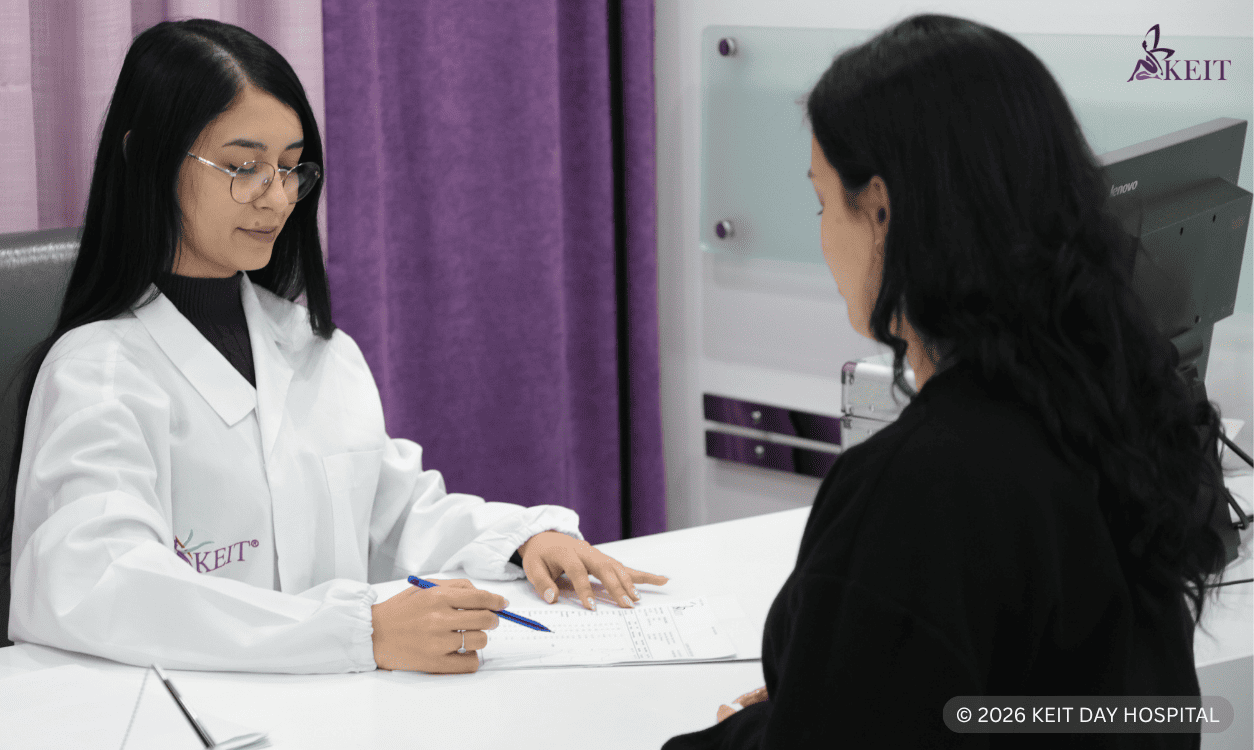
The appointment usually begins with questions about your medical history, previous nose operation, allergies, medications, and any breathing problems. This helps the surgeon understand your health, your goals, and whether nose plastic surgery is appropriate for you.
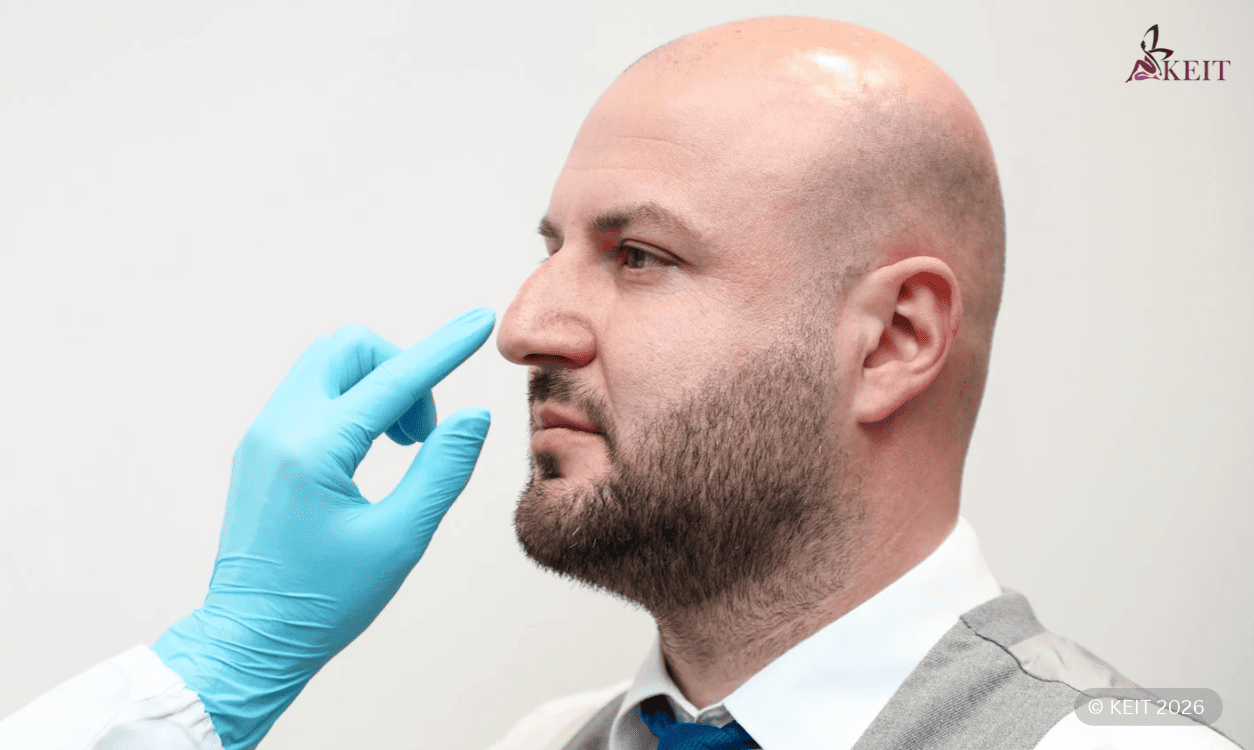
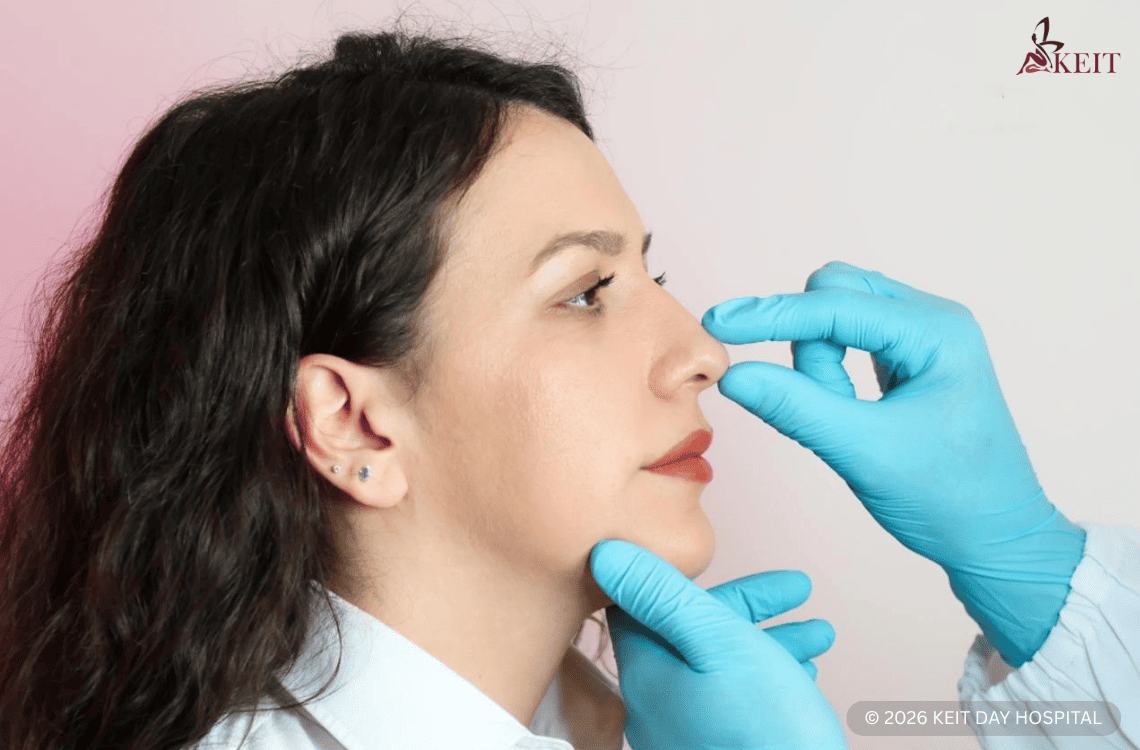
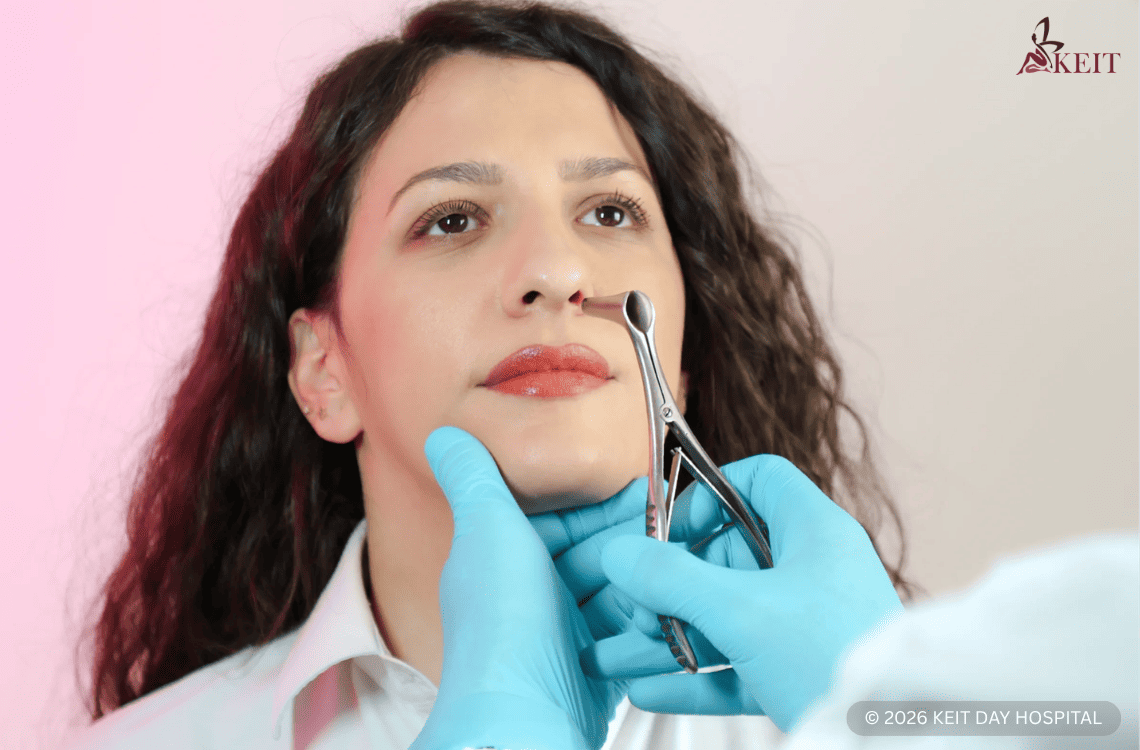
Next, the surgeon examines your nose from different angles, including the nasal bridge, tip, nostrils, septum, airway, skin thickness, and overall facial balance.
You may also discuss the rhinoplasty procedure itself, including the recommended technique, estimated surgery time, recovery process, and what kind of result is realistic for your case.
How to explain the nose changes you want
Clear communication helps your surgeon understand the result you have in mind. Instead of saying you want a “better nose,” describe the exact areas that concern you, such as the bridge, tip, nostrils, width, asymmetry, or side profile.
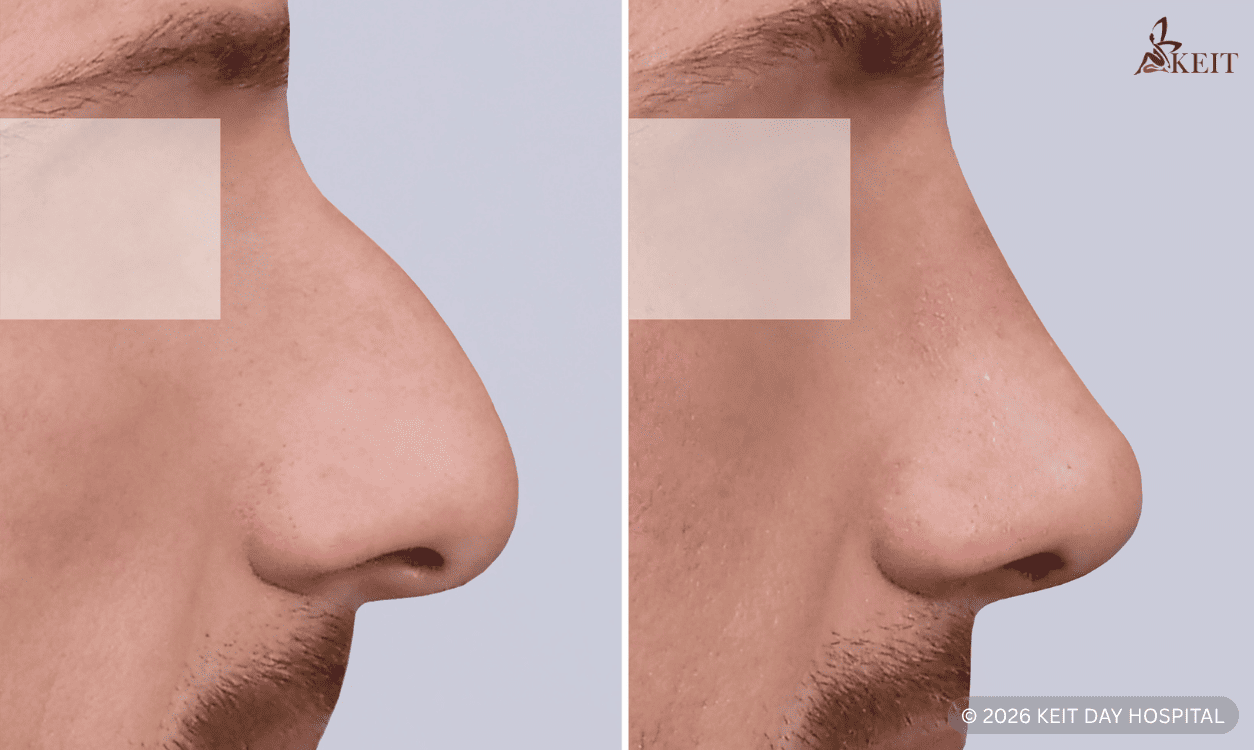
It can also help to explain what bothers you from different angles. For example, you may like the front view of your nose but feel unhappy with the profile, or you may notice that the nasal tip drops when you smile. These details help your surgeon understand whether you may benefit from nose reduction, nose straightening, nasal tip surgery, smoothing a bump, lifting a drooping tip, or narrowing the nose.
Reference photos can support the conversation, but they should be used as a guide, not a fixed expectation. The goal of rhinoplasty is to create a natural-looking result that suits your facial structure, and a good surgeon will explain which changes are realistic for your anatomy.
Cosmetic vs. functional rhinoplasty: what should you discuss?
Rhinoplasty can improve the appearance of the nose, but it should also protect or improve nasal function. During your consultation, your surgeon should ask not only how you want your nose to look, but also how well you breathe.
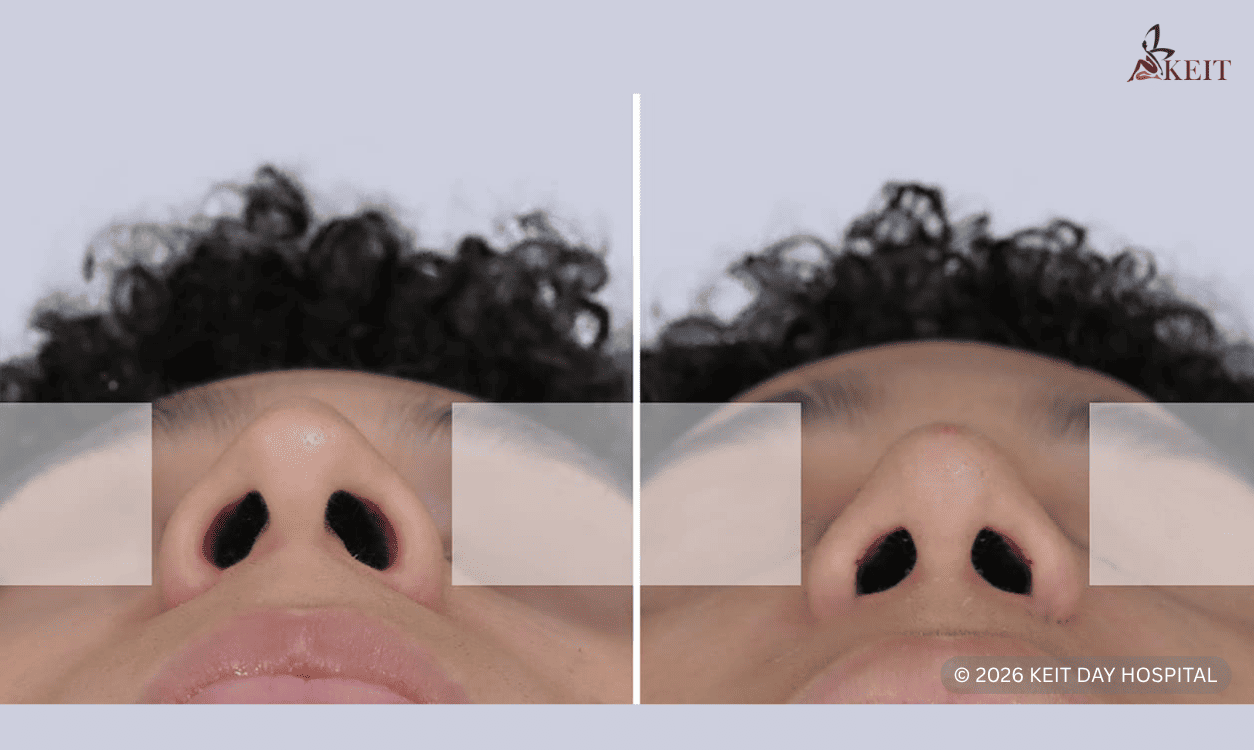
Cosmetic rhinoplasty usually focuses on changes such as reducing a bump on the bridge, refining the nasal tip, narrowing the nose, improving symmetry, lifting a drooping tip, or creating better facial balance.
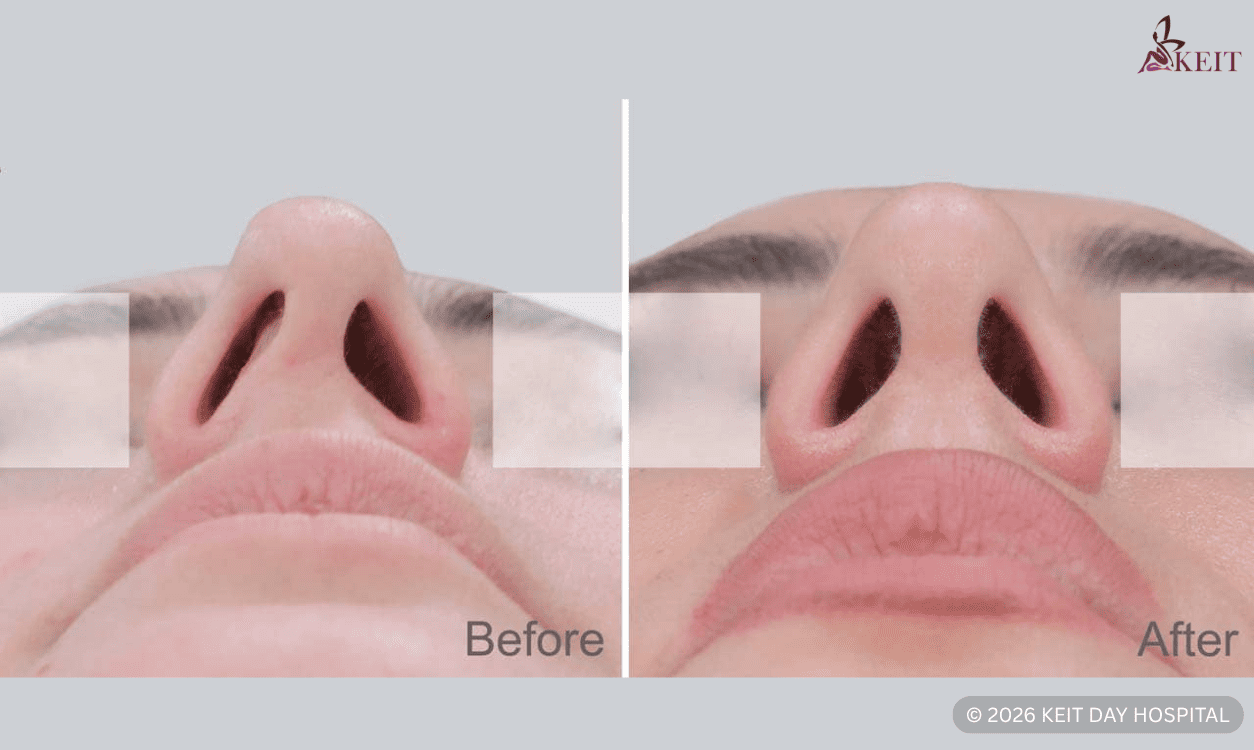
Functional rhinoplasty focuses on breathing concerns. This may involve a deviated septum, nasal obstruction, previous injury, or internal structural problems.
In some cases, the surgeon may recommend rhinoseptoplasty surgery, which combines nose reshaping with septum correction. This is why you should mention any breathing issues during your consultation, even if your main goal is cosmetic.
What your surgeon should explain about the rhinoplasty procedure
Your consultation should include a clear explanation of how the rhinoplasty procedure would be performed in your case. This helps you understand the surgical plan, not only the expected result.
Your surgeon should explain which approach is most suitable for your nose, such as:
- Open rhinoplasty, where a small incision is made between the nostrils for better access.
- Closed rhinoplasty, where incisions are placed inside the nose.
- Piezo rhinoplasty, which uses ultrasonic technology to reshape nasal bones with greater precision.
- Cartilage grafting, if extra support or definition is needed.
- Tip refinement, bridge reshaping, nostril adjustment, or nose straightening, depending on your goals.
This is also the right time to ask how nose jobs are performed, how long the rhinoplasty operation may take, what type of anaesthesia is used, and why one technique is better suited to your anatomy than another. A good surgeon should make the process easy to understand. You do not need every technical detail, but you should know how rhinoplasty is done, which parts of the nose will be changed, and what to expect before and after surgical rhinoplasty.

Results, risks, and rhinoplasty recovery
Your consultation should give you a realistic idea of what to expect after rhinoplasty surgery, including recovery, risks, and when results may become visible.
Your surgeon should clearly explain:
- Swelling and bruising: How long they may last and when you may notice improvement.
- Returning to daily activities: When you can safely go back to work and your normal routine.
- Exercise: When physical activity can usually be resumed.
- Follow-up appointments: How your healing will be monitored after surgery.
- Final rhinoplasty results: When the final shape of your nose is likely to become visible.
- You should also discuss possible rhinoplasty risks, such as bleeding, infection, breathing changes, scarring, asymmetry, or revision surgery. This helps you prepare properly and make an informed decision about your nose job.
Rhinoplasty cost and final planning before surgery
Before moving forward with the surgery, you should have a clear understanding of the treatment plan and total rhinoplasty cost. The price can vary depending on the complexity of the procedure, the technique used, and whether functional corrections are combined with cosmetic changes.
After the consultation, you should know:
- Total cost: The full price of the nose job.
- What is included: Whether the quote covers the procedure, anaesthesia, clinic fees, and follow-up visits.
- Additional procedures: Whether cartilage grafting or other corrections may affect the cost.
- Revision policy: What is included if further surgery is needed.
- Payment options: Whether payment plans or finance options are available.
- Final planning: What steps are needed before confirming your surgery date.
Clear planning helps you make an informed decision and avoid unexpected costs before surgery.
Key questions to ask at your rhinoplasty consultation
Once you understand the basics of the procedure, use the consultation to ask questions specific to your case. The answers should help you feel informed and confident before deciding to go ahead with surgery.
Consider asking your surgeon:
- Am I a suitable candidate for rhinoplasty?
- What changes are realistic for my nose?
- Which surgical technique do you recommend and why?
- Would I benefit from open, closed, or piezo rhinoplasty?
- Will the procedure improve or affect my breathing?
- Where will the incisions be made, and will I have visible scars?
- What type of anaesthesia will be used?
- Is rhinoplasty painful, and how is discomfort managed after surgery?
- How long will the operation take?
- How much swelling and bruising should I expect?
- How long should I take off work or avoid exercise?
- What are the possible risks or complications?
- When will I see the final result?
- What is included in the total cost, and could there be any additional costs?
- What happens if revision surgery is needed?
These questions can help you better understand the procedure, recovery, costs, and expected outcome before making your final decision.