Published on:

 Reading Time: 4 min
 Hair transplant
The number of grafts needed for a hair transplant depends on the size of the bald area, desired density, donor hair availability, and individual scalp characteristics. Graft counts vary by hairline, temples, crown, and full scalp, with proper calculation ensuring natural coverage, optimal density, and cost-effectiveness.
 Table of Contents:
-
1
 What is a hair graft?
-
2
How graft numbers are calculated
-
3
Factors affecting how many grafts you need
-
4
Number of grafts needed based on the Norwood scale
-
5
How many grafts are needed based on the area treated
-
6
Donor area limits: The most important factor
-
7
Mini vs full coverage: When more grafts don’t mean better results
-
8
How graft numbers affect hair transplant cost
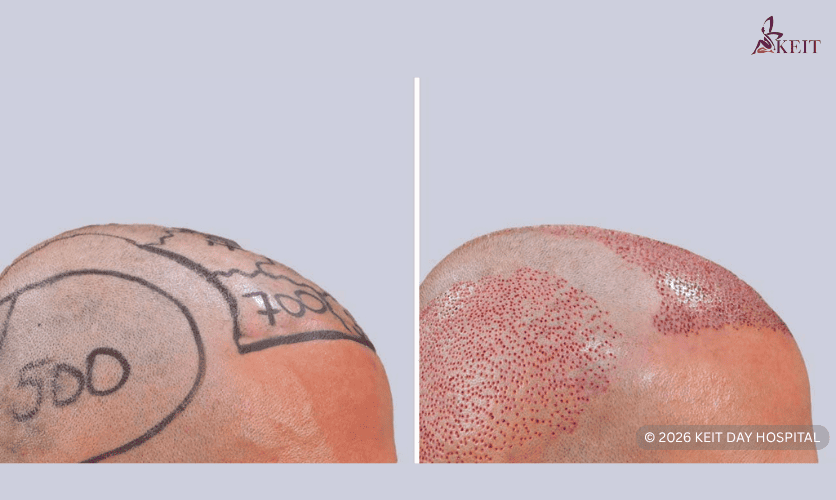
In this article, we explain what hair grafts are, how the required number of grafts is calculated, and the average graft ranges for different areas of the scalp. We also cover why more grafts do not always produce better results, the importance of donor area limits, and how graft numbers affect hair transplant cost.
What is a hair graft?
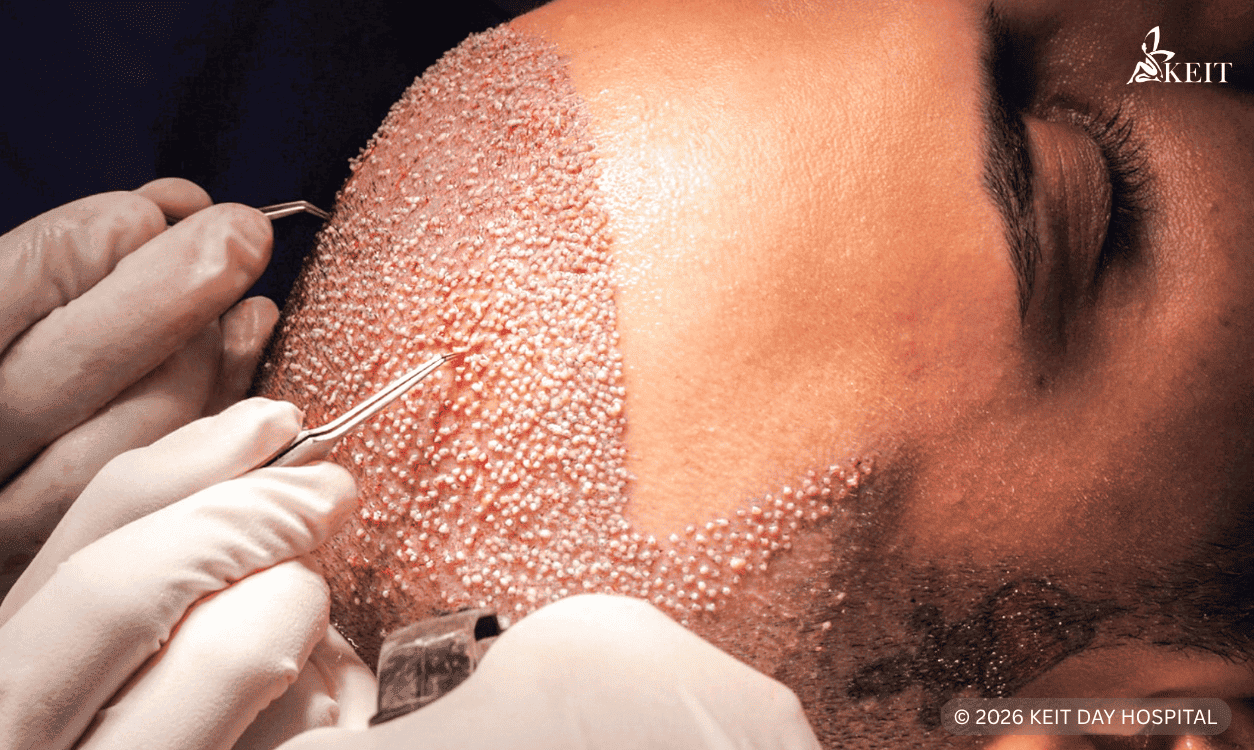
A hair graft is a naturally occurring unit of hair harvested from a donor area, usually the back or sides of the scalp, for use in hair transplantation. Each graft contains 1–4 individual hairs along with their surrounding follicles and supportive tissue, which ensures healthy growth after transplantation. The number of grafts determines the density and coverage achievable, making accurate graft assessment essential for planning effective hair restoration.
How graft numbers are calculated
The number of grafts required for a hair transplant is determined by the size of the balding area and the desired hair density. Key factors considered in calculating grafts include:
- Hair loss stage evaluation: The severity of hair loss is assessed using the Norwood scale for men or Ludwig scale for women to determine hair loss stage and pattern.
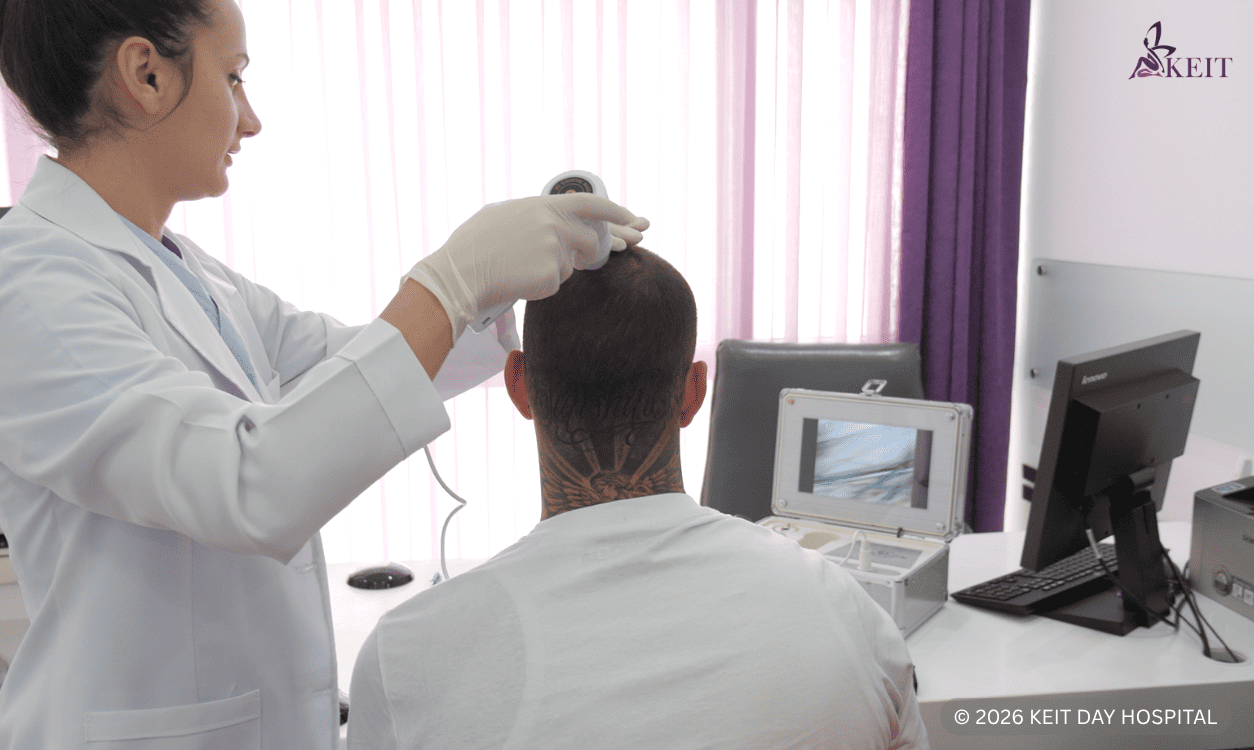
- Measurement of transplant area: The affected scalp area is measured in square centimeters to estimate how many grafts are needed to achieve adequate coverage.
- Hair characteristics: Hair thickness, texture, and color contrast with the scalp influence visual fullness. Thicker or darker hair provides more coverage per graft, affecting the total graft count.
- Donor area capacity: The number of healthy follicles in the donor region (usually the back and sides of the scalp) limits how many grafts can be safely harvested without thinning the donor area.
Factors affecting how many grafts you need
The number of hair grafts needed depends on key clinical factors to ensure natural coverage and density:
- Norwood scale: Categorizes male pattern baldness from type 1 (minimal loss) to type 7 (extensive). Higher types require more grafts for full coverage.
- Bald area size: Larger areas, such as the crown or mid-scalp, need more grafts than smaller hairline regions.
- Desired density: Patients seeking thicker coverage need more grafts. Hair thickness, curl, and color influence visual fullness.
- Donor area availability: The number of healthy follicles in the donor region limits harvesting without compromising future procedures.
- Hair characteristics: Thicker, curlier, or darker hair provides more coverage per graft.
- Future hair loss: Anticipated progression may require staged procedures or additional grafts to maintain long-term results.

Number of grafts needed based on the Norwood scale
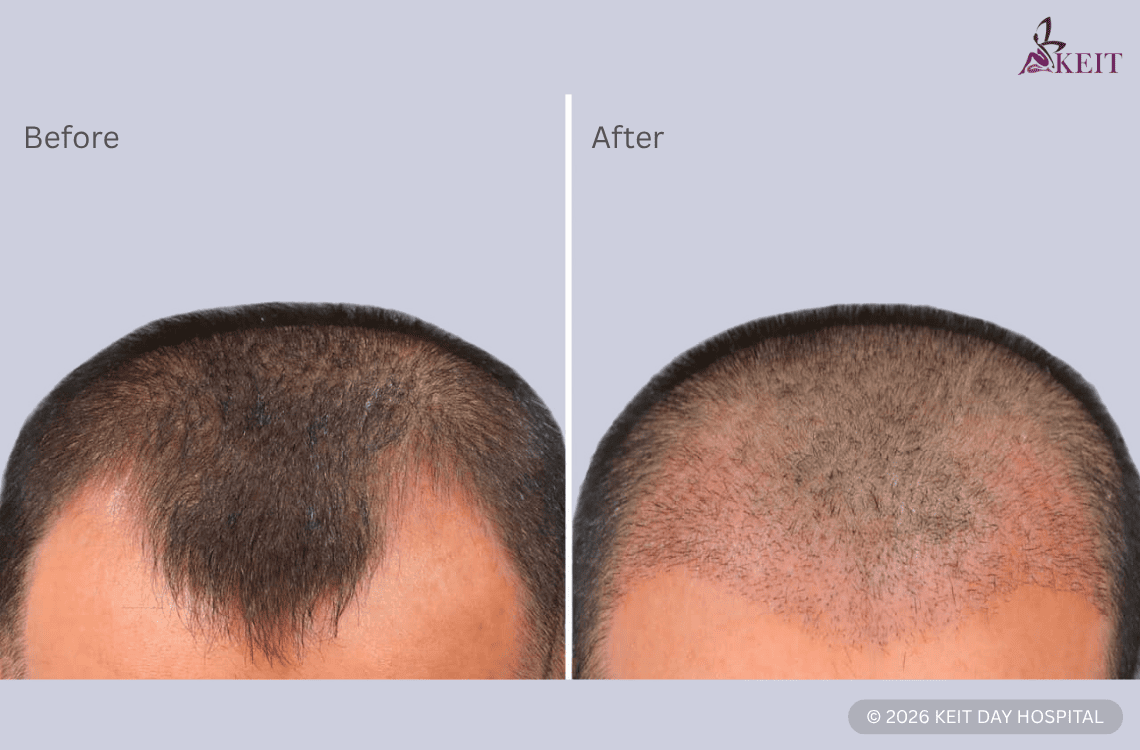
The Norwood scale classifies male pattern baldness and provides a framework to estimate graft requirement. The table below offers a guideline for estimated graft ranges according to each Norwood stage.
| Norwood Scale | Approximate graft range |
|---|---|
| Norwood 1 | 500–800 grafts |
| Norwood 2 | 800–1,500 grafts |
| Norwood 3 | 1,500–2,500 grafts |
| Norwood 4 | 2,500–3,500 grafts |
| Norwood 5 | 3,500–4,500 grafts |
| Norwood 6 | 4,500–5,500 grafts |
| Norwood 7 | 5,500+ grafts |
How many grafts are needed based on the area treated
The number of hair grafts required depends on the treatment area, the extent of hair loss, and the desired density. Typical ranges are:
| Area to be treated | Approximate estimate |
|---|---|
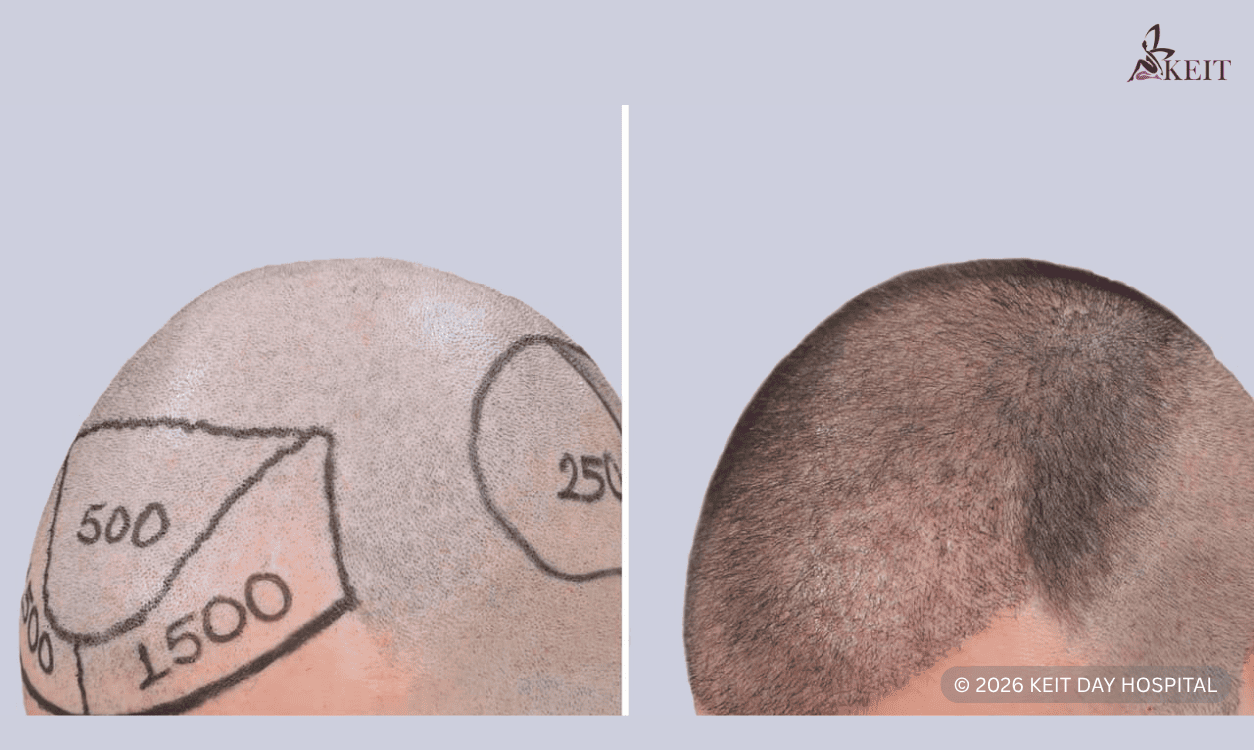
| Hairline | 500–1,500 grafts |
| Temples | 300–800 grafts |
| Crown (vertex) | 1,000–2,500 grafts |
| Full frontal area | 1,500–3,000 grafts |
| Full scalp coverage | 3,500–5,000+ grafts |
Donor area limits: The most important factor
The donor region, typically the occipital (back) and temporal (sides) scalp, determines the maximum number of grafts that can be safely harvested. Key considerations include:
- Density assessment: Evaluating follicle density ensures sufficient grafts are available without compromising the natural appearance of the donor site.
- Donor preservation: Over-harvesting can lead to visible thinning and permanent depletion of donor hair.
- Hair characteristics: Hair thickness, texture, and curl impact coverage efficiency, with thicker or curlier hair requiring fewer grafts to achieve natural density.
- Future procedures: Conserving donor follicles allows for touch-ups or subsequent hair restoration sessions if needed.
Mini vs full coverage: When more grafts don’t mean better results
While a higher number of grafts can increase apparent density, exceeding optimal graft placement can compromise outcomes or create an unnatural look. Key factors to consider:
- Overcrowding: Placing grafts too close together can reduce blood flow, impairing survival and growth.
- Hair angle and direction: Proper alignment of each graft is critical for a natural hairline and overall appearance, often more important than the total number of grafts.
- Donor area limitations: Harvesting beyond safe limits can cause visible thinning and long-term donor site compromise.
- Aesthetic balance: Strategic distribution ensures a harmonious hairline and consistent density without overpacking any area.
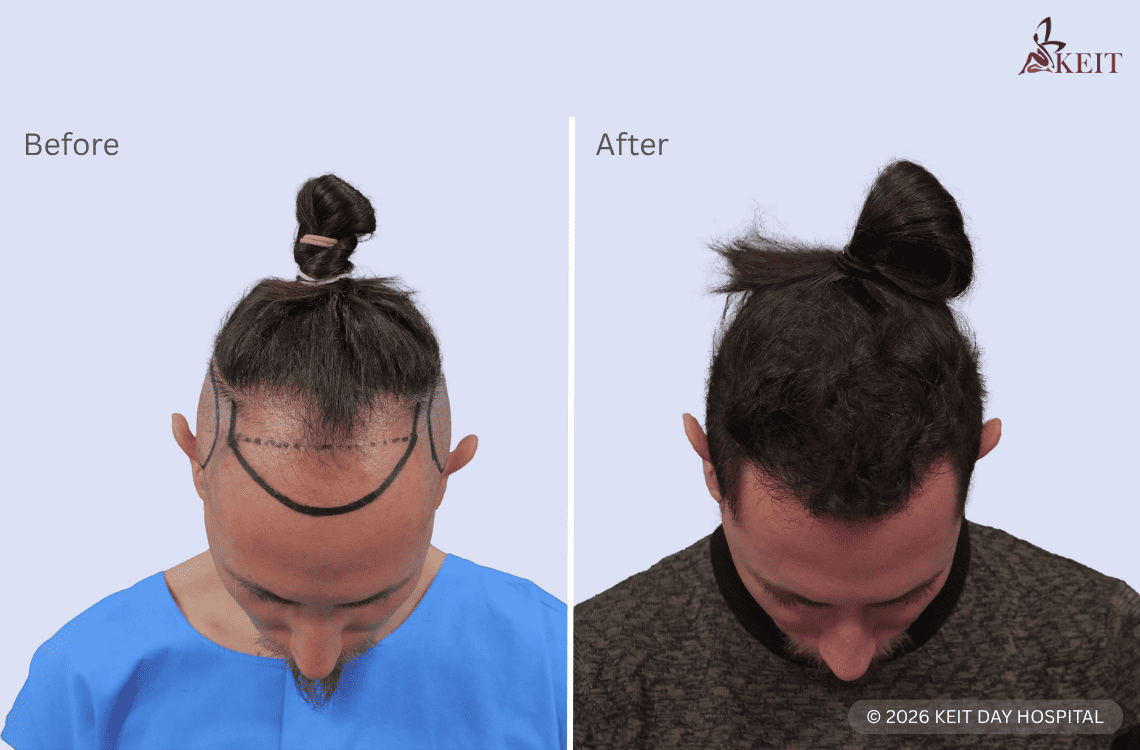
How graft numbers affect hair transplant cost
The number of hair grafts determines the scope of the procedure, total surgical time, and overall cost, making an accurate assessment essential for optimal results. Typical ranges include:
- 500–1,000 grafts: approximately €3,500–€5,200, suitable for small areas or hairline work.
- 1,500–2,500 grafts: around €5,200–€8,100 for broader coverage including hairline and mid‑scalp.
- 3,000–4,000+ grafts: often between €8,100–€13,900, for extensive scalp restoration.
Additional factors influencing cost include surgeon expertise, clinic location, type of anesthesia, and any concurrent procedures such as PRP or scalp micropigmentation.