Published on:
 Modified on:

 Reading Time: 3 min
 Hair transplant
Shock loss after a hair transplant is a temporary shedding of existing or newly transplanted hair caused by surgical trauma or follicle stress. It usually appears within 2–6 weeks post-surgery and resolves within a few months as hair regrows naturally. Understanding the timing and post-operative care is essential to differentiate normal shedding from transplant failure and to optimize long-term results.
 Table of Contents:
-
1
 What is shock loss after a hair transplant?
-
2
Why does shock loss occur?
-
3
Shock loss after a hair transplant: when does it happen?
-
4
How long does shock loss last?
-
5
Hair transplant growth timeline after shock loss
-
6
Shock loss vs failed hair transplant: how to tell the difference
-
7
How to reduce unnecessary trauma after surgery
-
8
When to contact your clinic for shock loss
In this article, we explain what shock loss after a hair transplant is, why it occurs, and when it typically happens. We detail how long shedding lasts, the hair regrowth timeline, how to distinguish shock loss from a failed transplant, and steps to reduce trauma and protect grafts. Additionally, we highlight signs that require contacting your clinic to ensure optimal recovery and long-term results.
What is shock loss after a hair transplant?
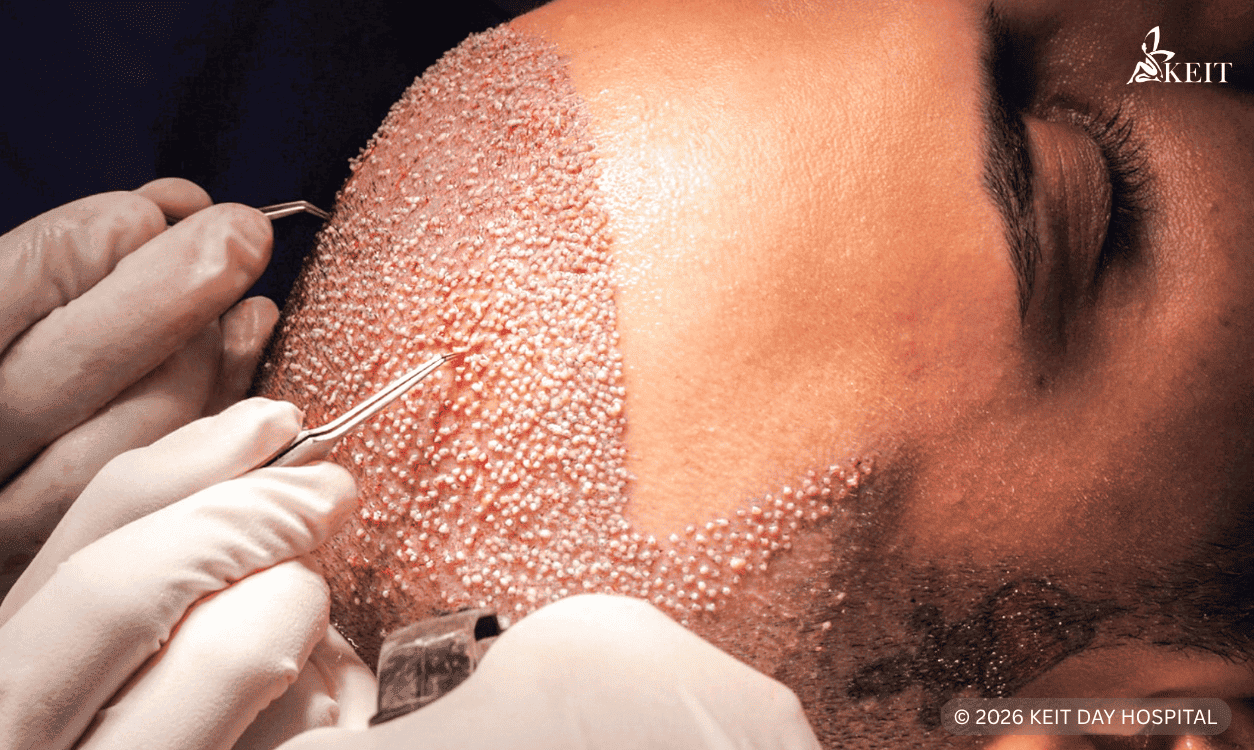
Shock loss is a temporary shedding of hair that occurs after a hair transplant due to trauma or stress on the scalp. Both transplanted follicles and pre-existing hairs near the recipient area can fall out. This shedding is a normal physiological response and does not indicate failure when properly managed.
Why does shock loss occur?
Shock loss occurs as a natural response to the stress and trauma of hair transplantation. Key contributing factors include:
- Surgical trauma: Manipulation of the scalp during graft extraction and placement can temporarily push nearby hairs into a resting (telogen) phase.
- Inflammation: Localized swelling and immune response around the recipient site can cause surrounding native hairs to shed.
- Scalp tension: Excess stretching or pressure on the scalp during or after surgery may trigger temporary hair shedding.
- Physiological stress: Effects of anesthesia, medications, or overall bodily stress can contribute, though follicles remain viable and capable of regrowth.
Shock loss after a hair transplant: when does it happen?
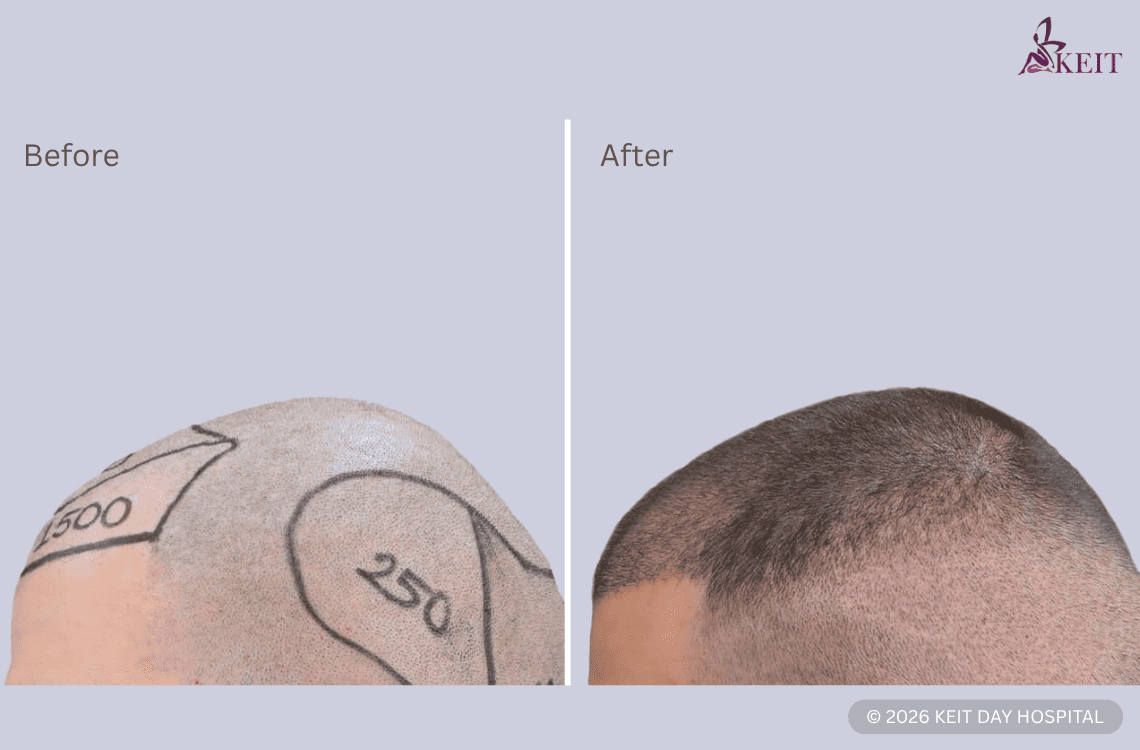
Shock loss occurs during the early post-operative phase, most often between 2 and 6 weeks after a hair transplant. Hair shedding peaks around 4 to 6 weeks, affecting both transplanted and surrounding hairs. The hairline, temples, and crown are most commonly impacted, with the extent influenced by surgical technique, graft density, and individual scalp characteristics.
How long does shock loss last?
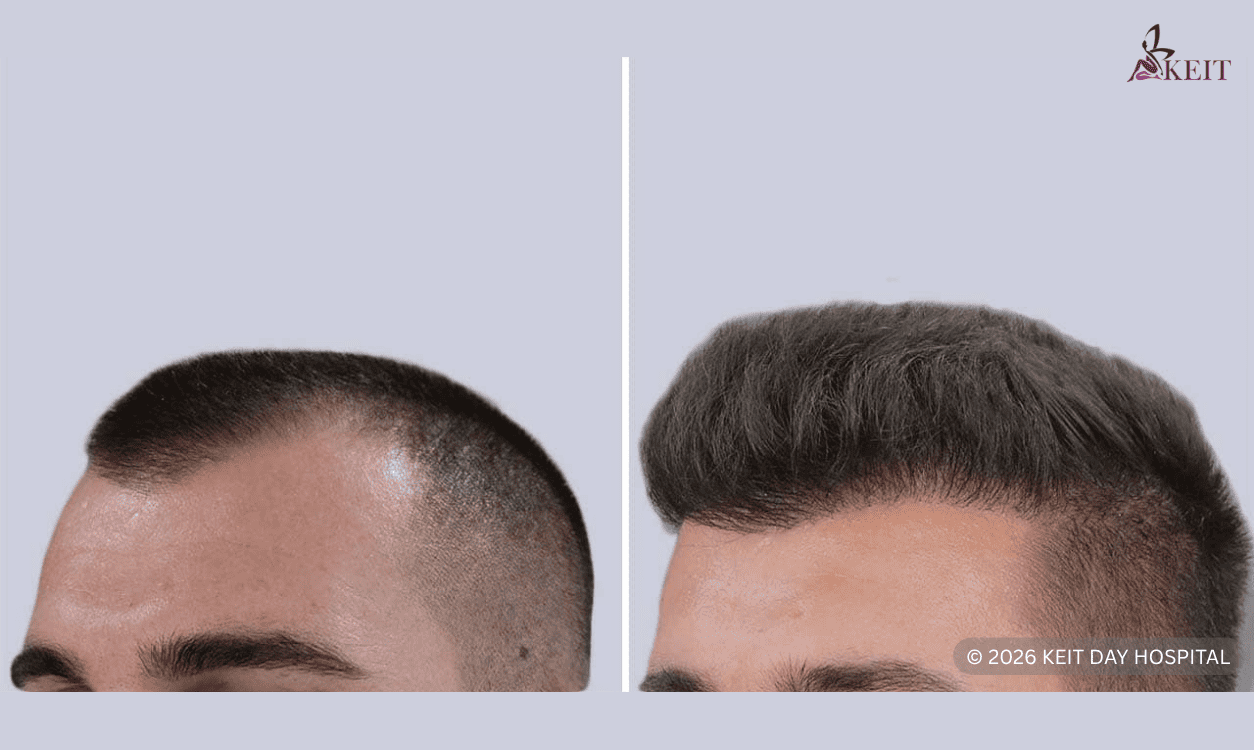
The duration of shock loss varies depending on the extent of shedding and individual healing. Mild shedding typically resolves within 2–3 months, while moderate shedding may take 3–6 months for noticeable regrowth. Most patients regain full hair density and natural coverage between 6–12 months after the transplant, with gradual improvement occurring over time.

Hair transplant growth timeline after shock loss
Understanding the regrowth phases helps patients set realistic expectations:
- 0–2 months: Transplanted and native hairs shed; follicles enter a resting phase.
- 2–4 months: New hairs begin to emerge as fine, thin strands.
- 4–8 months: Hair becomes visibly thicker and fuller as growth accelerates.
- 8–12 months: Final density and texture are typically established, with most patients seeing near‑complete results.
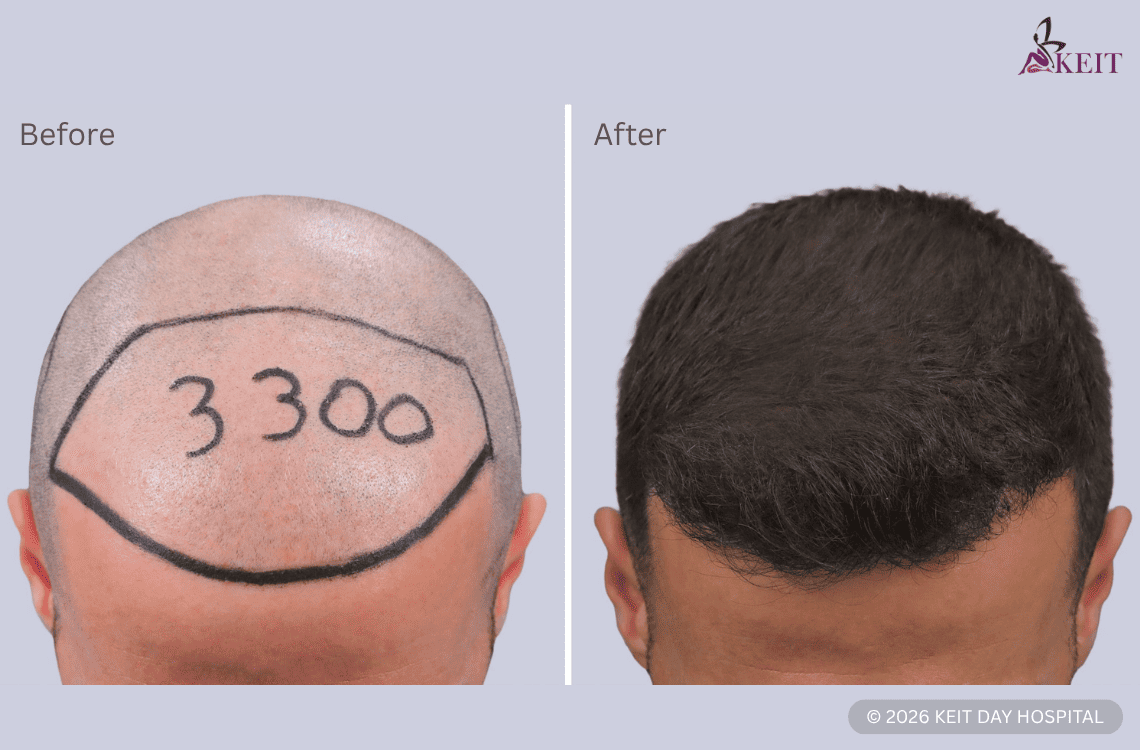
Shock loss vs failed hair transplant: how to tell the difference
Understanding the distinction is essential for proper post-operative assessment and patient guidance.
- Shock loss: Temporary shedding of existing or newly transplanted hair, with follicles intact and capable of regrowth.
- Failed transplant: Permanent absence of hair growth in treated areas, patchy coverage, or graft necrosis, indicating procedural issues.
- Key indicators: Shock loss is painless and resolves naturally within weeks. Persistent redness, pain, pus, or other signs of infection indicate complications and require prompt medical evaluation.
How to reduce unnecessary trauma after surgery
Preventing shock loss requires careful post-operative care to protect the transplanted grafts:
- Avoid scratching, rubbing, or picking at the scalp.
- Limit direct sunlight, heat exposure, and harsh environmental conditions.
- Follow all recommended washing and moisturizing instructions.
- Avoid strenuous activity or placing pressure on the grafted area.
- Use prescribed medications or topical treatments exactly as advised by your surgeon.
When to contact your clinic for shock loss
Contact your hair transplant clinic promptly if you notice any of the following:
- Persistent or unusually heavy shedding beyond six weeks post-procedure.
- Pain, swelling, redness, or other signs of infection at the transplant or donor site.
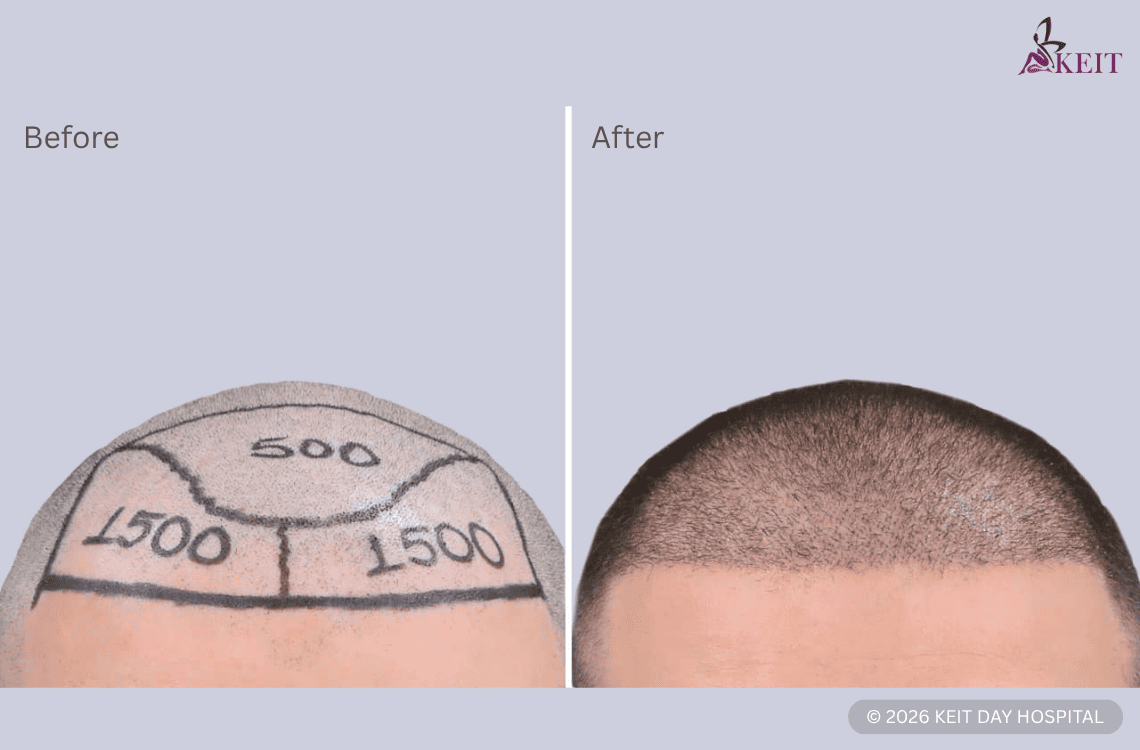
- Uneven bald patches, significant gaps, or areas where grafts have failed to take.
- Concerns about overall hair density, growth progression, or abnormal healing.
These signs indicate that professional evaluation is necessary to ensure proper recovery and optimal transplant results.