Published on:
 Modified on:

 Reading Time: 6 min
 Cervicofacial Lift
Marionette lines are a common lower-face concern that can become more visible as skin quality, facial volume, and tissue support change over time. While they are a natural part of facial ageing, deeper folds around the mouth and chin can affect the overall balance and expression of the face.
 Table of Contents:
-
1
 What are marionette lines?
-
2
What causes marionette lines?
-
3
What do marionette lines look like?
-
4
Can marionette lines be prevented?
-
5
Treatment options for marionette lines
-
6
Marionette lines filler vs facelift: Which option is better?
-
7
Facelift surgery for marionette lines
-
8
Recovery and aftercare of facelift surgery
-
9
Risks and considerations before treating marionette lines
In this article, we explain what marionette lines are, why they develop, and how they affect the lower face. We also cover prevention methods, available treatment options, the differences between marionette lines filler and facelift surgery, how facelift surgery can address deeper folds, recovery after treatment, and important considerations before choosing the most suitable approach.
What are marionette lines?
Marionette lines, also known as melomental folds or puppet lines, are vertical creases that extend from the corners of the mouth toward the chin. The name comes from marionette puppets, which have visible lines in a similar area of the face.
These lines may be mild, moderate, or severe. In early stages, they may appear as subtle lines around the mouth, while deeper marionette lines can create a more defined fold between the mouth and chin.
What causes marionette lines?
Marionette lines develop gradually as the skin and deeper facial structures change with age. They can start to appear as early as the 20s as skin elasticity and hydration begin to decline, but they often become more noticeable later.
Common causes include:
- Collagen and elastin loss: These proteins help keep the skin firm and elastic. As they decrease over time, the skin becomes more likely to crease and fold.
- Facial volume loss: Loss of fat and structural support in the mid-face and lower face can make the area around the mouth appear less supported.
- Gravity and facial sagging: As soft tissues descend, folds can become more visible around the corners of the mouth and chin.
- Repeated facial movement: Regular mouth expressions, including frequent lip pursing, can gradually contribute to creasing in this area.
- Genetics: Facial structure, skin quality, and ageing patterns can influence when marionette lines appear.
- Lifestyle and environmental factors: Sun exposure, smoking, stress, dehydration, and poor nutrition can accelerate collagen breakdown and make lines around the mouth more noticeable.
What do marionette lines look like?
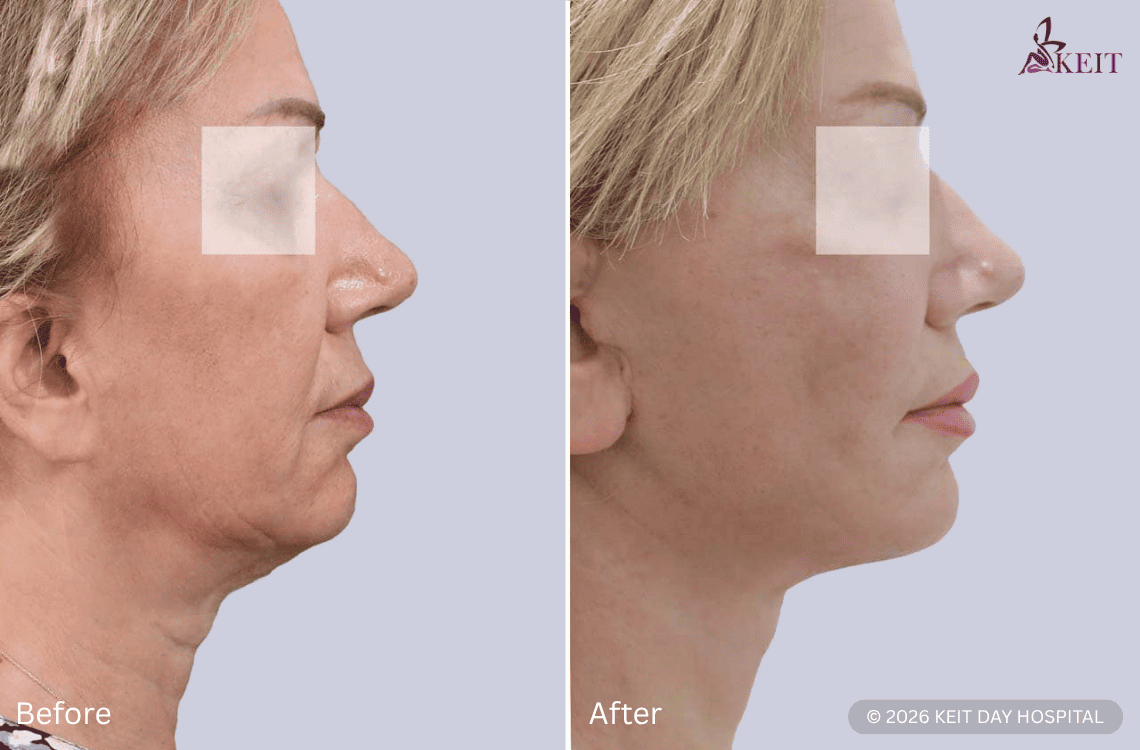
The appearance of marionette lines can vary from slight shadows near the mouth to deeper folds that affect the lower face. As they become more pronounced, they may contribute to a tired, sad, or aged appearance, even when the face is relaxed.
Marionette lines can also appear with lower face sagging, early jowls, or reduced jawline definition. These features are important to assess because they can influence whether treatment should focus on skin quality, volume restoration, or facial lifting.
Can marionette lines be prevented?
Marionette lines cannot be prevented completely, as they are influenced by natural ageing, genetics, facial anatomy, volume loss, and changes in skin quality. However, the right skin care habits, lifestyle choices, and early aesthetic support may help slow their development to an extent and keep the skin around the mouth looking healthier for longer.
Helpful habits include:
- Daily sun protection: Helps reduce collagen and elastin breakdown.
- Consistent skin care: Moisturising, retinoids, and antioxidants can support skin quality.
- Avoiding smoking: Smoking can accelerate fine lines and wrinkles around the mouth.
- Healthy hydration and nutrition: Supports overall skin health and elasticity.
- Reducing repeated lip pursing: May help limit creasing around the mouth.
- Gentle facial massage: May improve circulation and reduce tension, but it cannot lift sagging tissue.
- Early aesthetic treatments: Skin-quality treatments or subtle volume correction may help soften early changes before folds become deeper.
Treatment options for marionette lines
Treatment for marionette lines depends on their depth, skin quality, degree of volume loss, and whether lower face sagging is present. Mild lines may improve with non-surgical treatments, while deeper folds may require a more structural approach.
Common treatment options include:
Skin-quality treatments
These treatments focus on improving the texture, firmness, and overall quality of the skin rather than directly filling the fold.
- Microneedling, laser resurfacing, or chemical peels: May help improve fine lines, skin texture, and collagen production around the mouth.
Injectable treatments
Injectables are often used when marionette lines are linked to volume loss or muscle activity around the mouth.
- Dermal fillers: Hyaluronic acid fillers can restore volume and soften the appearance of marionette lines.
- Collagen-stimulating treatments: Biostimulators can support gradual collagen production and improve firmness.
- Botulinum toxin: In selected cases, small doses may relax muscles that pull the corners of the mouth downward.
Lifting procedures: Non-surgical and surgical options
Lifting procedures may be considered when marionette lines are associated with tissue descent or lower face sagging.
- Thread lift: A minimally invasive option that may provide mild lifting support in suitable cases, especially when early sagging is present.
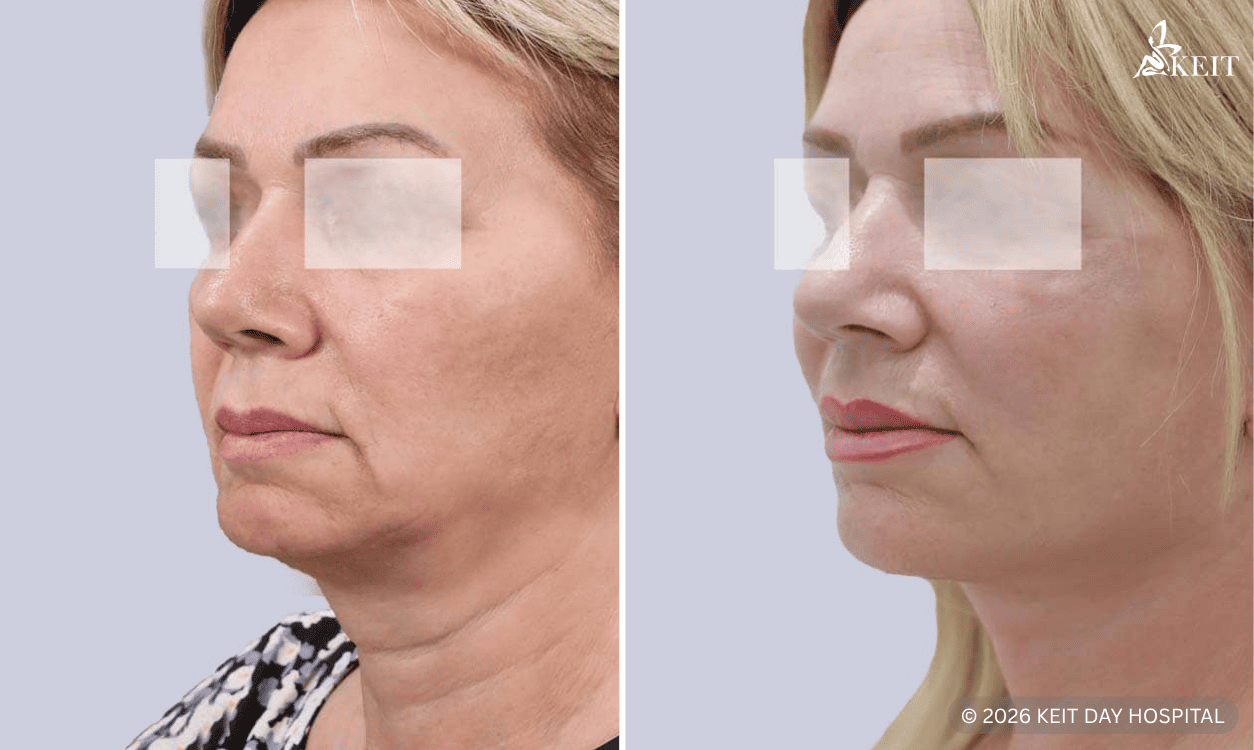
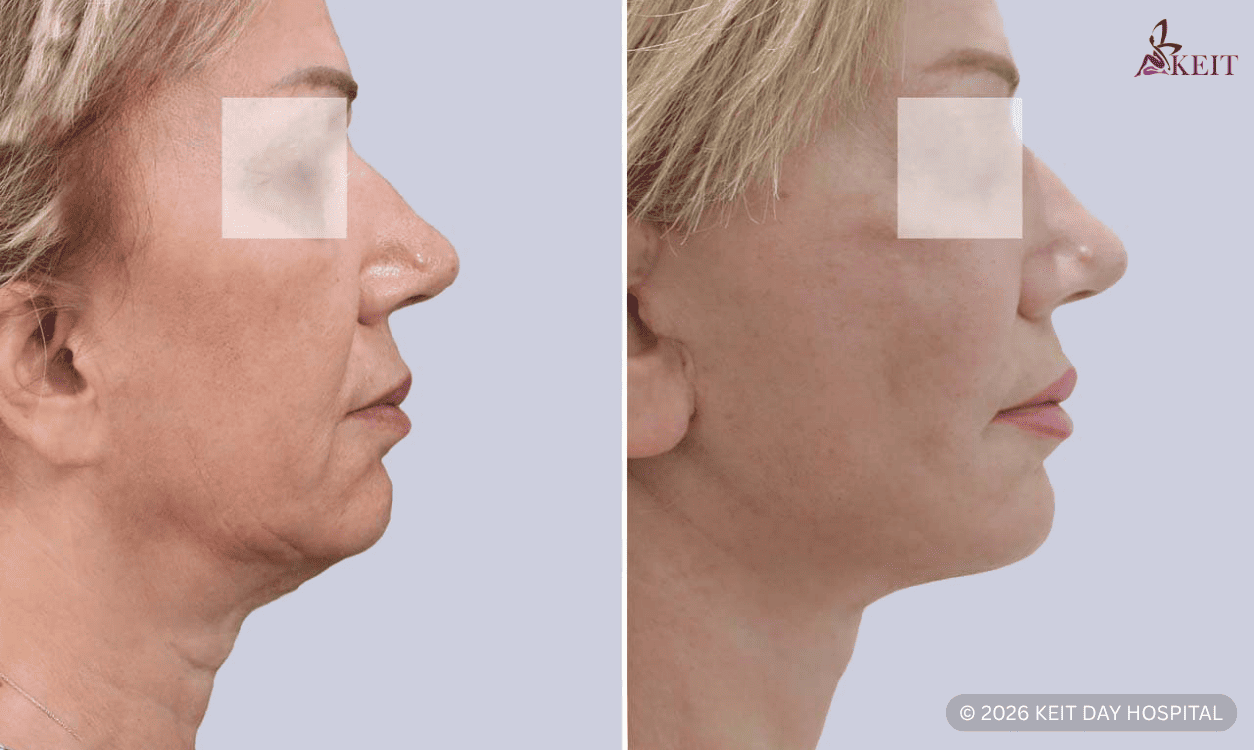
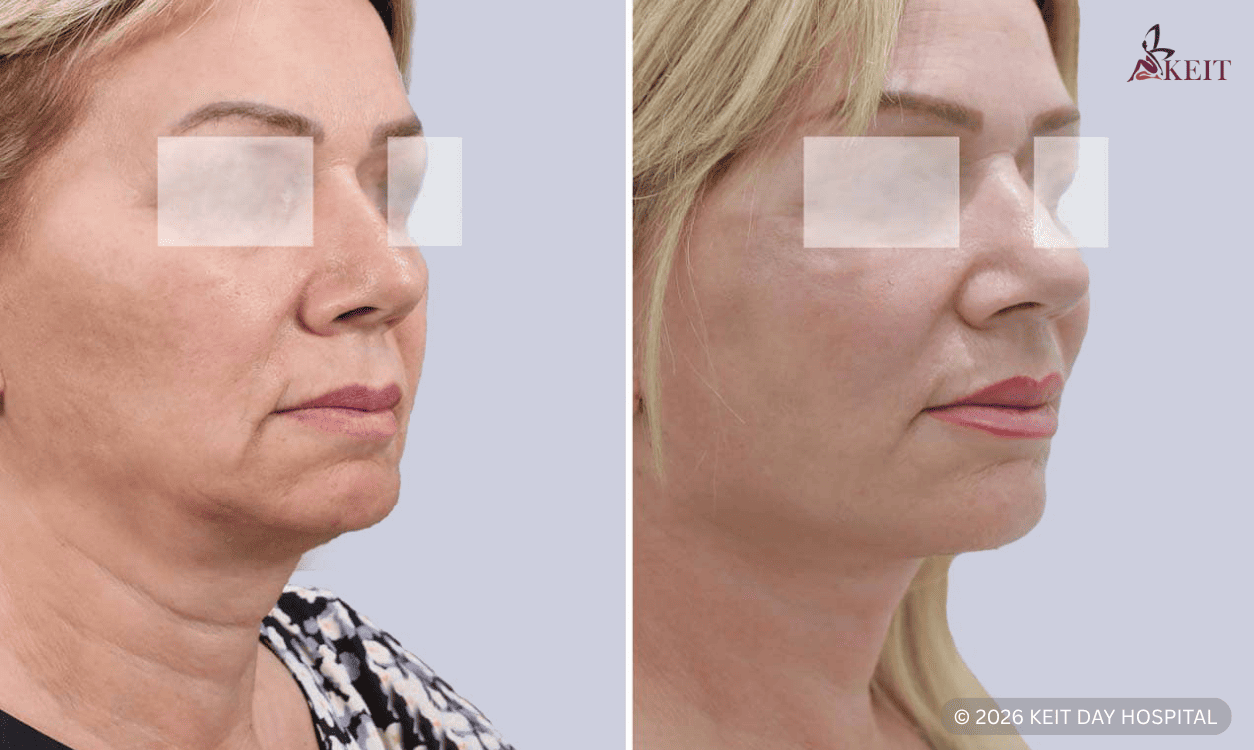
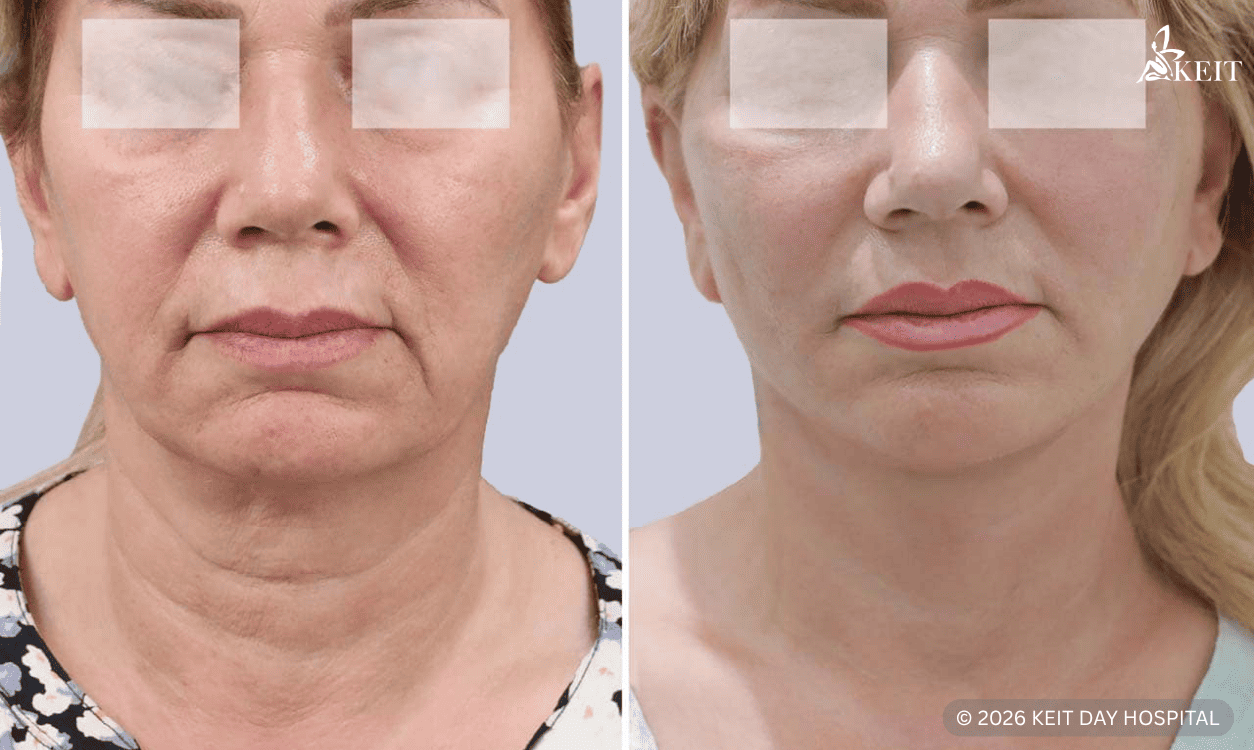
- Facelift or lower face lift: A surgical option for deeper folds caused by significant sagging, offering more effective and longer-lasting correction.
Marionette lines filler vs facelift: Which option is better?
Marionette lines filler is often suitable for mild to moderate folds when the main concern is volume loss around the mouth rather than significant skin laxity. By restoring support in targeted areas, filler can soften the crease and improve lower-face balance without surgery.
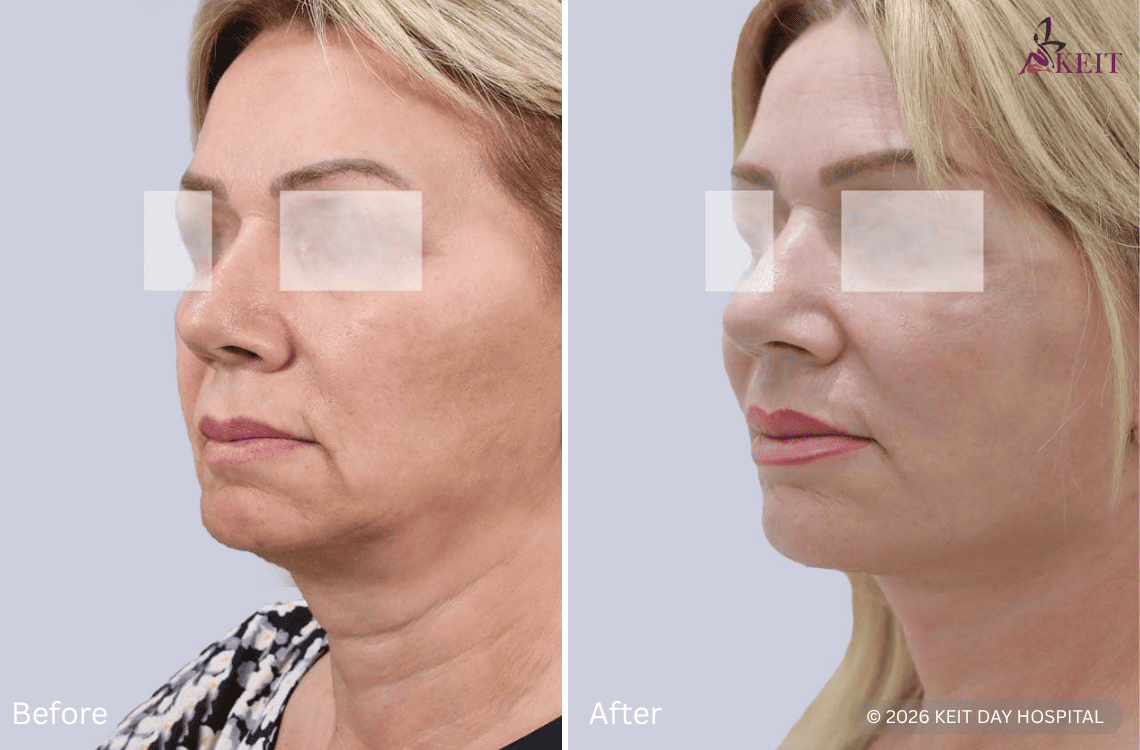
A facelift or lower face lift may be more appropriate when marionette lines are linked to significant tissue descent, jowls, or reduced jawline definition. In these cases, filler may improve the fold, but it cannot lift sagging tissue. Some people may benefit from a combination approach, depending on their facial anatomy and treatment goals.
Facelift surgery for marionette lines
A facelift surgery may be considered when marionette lines are associated with lower face sagging, jowls, or reduced jawline definition.
During surgery, the plastic surgeon makes carefully placed incisions, usually around the ears and hairline. Through these incisions, the underlying tissues are lifted and secured in a more supportive position. The skin is then repositioned smoothly, and any excess skin may be removed.
The procedure is usually performed under general anaesthesia and typically takes around 2 to 4 hours, depending on the extent of correction and whether it is combined with other facial procedures. The exact technique and duration depend on the degree of sagging, facial anatomy, skin quality, and the level of correction needed.

Recovery and aftercare of facelift surgery
Swelling, bruising, tightness, and mild discomfort are expected after facelift surgery and usually improve gradually over the following weeks.
Key aftercare instructions may include:
- Rest: Avoid unnecessary strain during the first stage of healing.
- Head elevation: Keep the head elevated to help reduce swelling.
- Activity limits: Avoid strenuous exercise until cleared by the surgeon.
- Wound care: Follow cleaning, dressing, and incision care instructions carefully.
- Face protection: Avoid pressure on the face while the tissues settle.
- Follow-up visits: Attend scheduled appointments to monitor healing and results.
- Medication: Use prescribed medication or pain relief as directed by the clinic.
Risks and considerations before treating marionette lines
Before treating marionette lines, it is important to consider whether correction is truly needed or desired. These lines are a natural part of facial ageing and, for some people, may not require treatment at all.
If treatment is chosen, each option has different benefits and risks. Non-surgical treatments usually involve less downtime, but results are temporary and may need maintenance. Surgical correction, such as a facelift or lower face lift, can offer more significant improvement when sagging is present, but it requires a longer recovery and carries surgical risks such as scarring, infection, delayed healing, sensation changes, or asymmetry.
The safest approach is to choose treatment based on facial anatomy, skin quality, degree of sagging, and realistic goals.