Published on:
 Modified on:

 Reading Time: 5 min
 Rhinoplasty
Open and closed rhinoplasty are the two established surgical approaches used to reshape the nose. While both aim to improve nasal appearance and, in some cases, breathing function, they differ significantly in surgical access, level of control and clinical indications. Understanding these differences helps patients set realistic expectations and recognise why rhinoplasty technique selection is always anatomy-driven rather than preference-based.
 Table of Contents:
-
1
 What open rhinoplasty is and which problems it is designed to correct
-
2
What closed rhinoplasty involves and when it may be appropriate
-
3
A clear side-by-side comparison between open and closed rhinoplasty
-
4
How scars and long-term appearance differ between the two approaches
-
5
What recovery looks like after open and closed rhinoplasty
-
6
Understanding the risks and safety considerations of each technique
-
7
Choosing the right technique based on specific nasal characteristics
-
8
How surgeons determine whether open or closed rhinoplasty is appropriate
In this comprehensive guide, you’ll find a clear and medically accurate explanation of the differences between open and closed rhinoplasty, including how each technique works, which nasal problems they are designed to correct and how their results, recovery timelines and limitations compare. The article explains how surgeons assess nasal anatomy, function and structural needs to choose the safest approach and lastly what makes KEIT Day Hospital in Albania your smart and affordable choice.
What open rhinoplasty is and which problems it is designed to correct
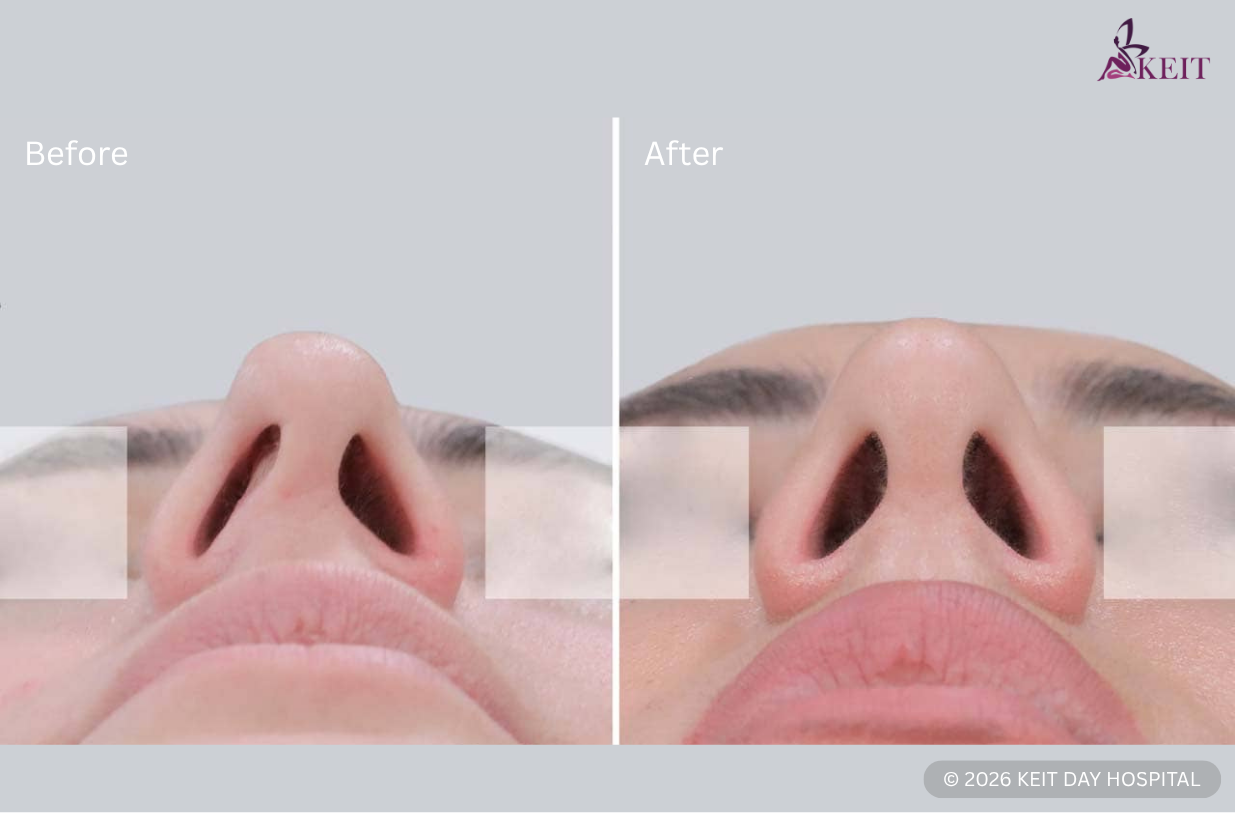
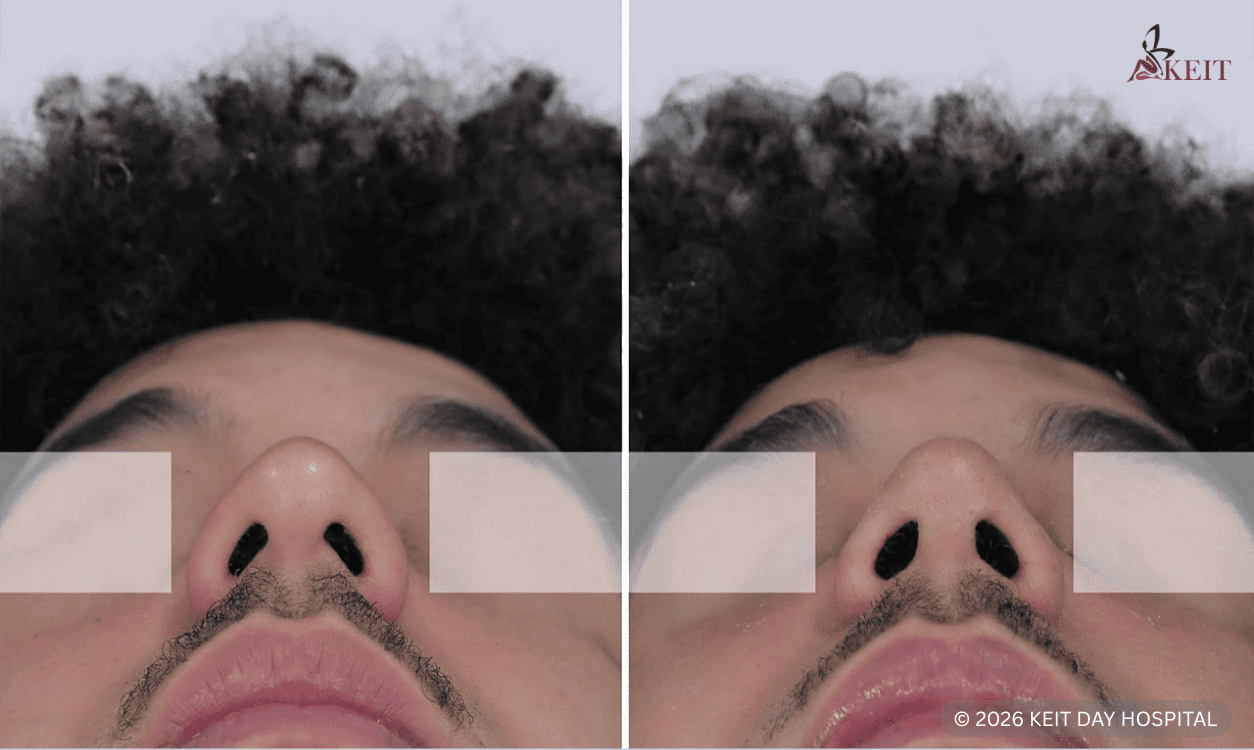
Open rhinoplasty is performed through a small incision across the columella, the tissue between the nostrils. This allows the nasal skin to be lifted, providing direct and complete visibility of the underlying bones, cartilage and support structures. Since the entire nasal framework is exposed, open rhinoplasty is designed for cases that require precise structural modification, allowing the surgeon to reshape, reinforce or rebuild nasal structures in a controlled and stable way. The procedure typically lasts between two and three hours, depending on the complexity of the correction.
What closed rhinoplasty involves and when it may be appropriate
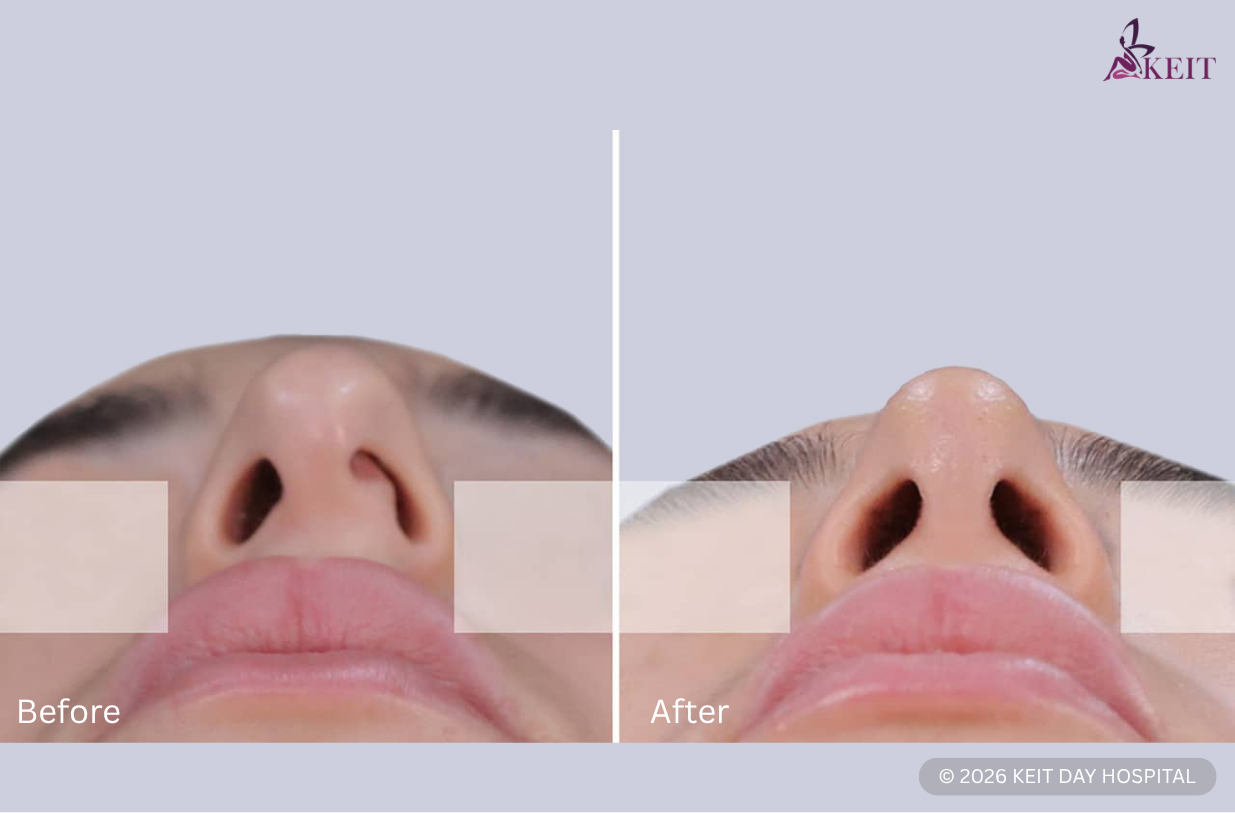
Closed rhinoplasty is performed entirely through incisions hidden inside the nostrils, without lifting the nasal skin off the framework. This approach is suitable for selected patients whose nasal anatomy is already relatively balanced. Closed technique usually takes around one to two hours, as it involves more limited structural changes. Its success depends heavily on careful case selection and surgical experience.
A clear side-by-side comparison between open and closed rhinoplasty
To better understand how these two techniques differ in practice, it is useful to compare them across key clinical aspects that influence results and safety.
| Aspect | Open rhinoplasty | Closed rhinoplasty |
|---|---|---|
| Surgical access | External and internal | Internal only |
| Visibility of anatomy | Complete | Limited |
| External incision | Small, hidden | None |
| Degree of precision | High | Moderate |
| Structural reconstruction | Highly possible | Limited |
| Suitability for complex cases | Yes | No |
| Functional correction | Yes | Limited |
How scars and long-term appearance differ between the two approaches
In open rhinoplasty, the external incision is small and strategically placed. When properly healed, it typically fades and becomes barely noticeable, without affecting the final aesthetic outcome. The long-term appearance depends more on structural stability than on the presence of a scar. Closed rhinoplasty leaves no external scar. While this can be an advantage for suitable candidates, scar avoidance should never outweigh the need for adequate correction.
What recovery looks like after open and closed rhinoplasty
After open rhinoplasty, patients usually wear a nasal splint for about one week. Swelling and bruising are more pronounced initially, particularly at the nasal tip and gradually improve over several months.
Closed rhinoplasty may involve slightly less early swelling since the skin is not fully lifted. The overall recovery timelines are similar. In both techniques, final nasal definition develops slowly and can take up to twelve months to fully stabilize.
Understanding the risks and safety considerations of each technique
Both techniques carry standard surgical risks, including bruising, infection, asymmetry and the possibility of revision surgery. These complications are influenced more by anatomy, surgical planning and execution than by the approach itself.
Open rhinoplasty may involve prolonged tissue healing due to more extensive structural work. Closed rhinoplasty carries a higher risk of under-correction if used in cases that require greater access. Proper technique selection is the most important factor in minimising complications.
Choosing the right technique based on specific nasal characteristics
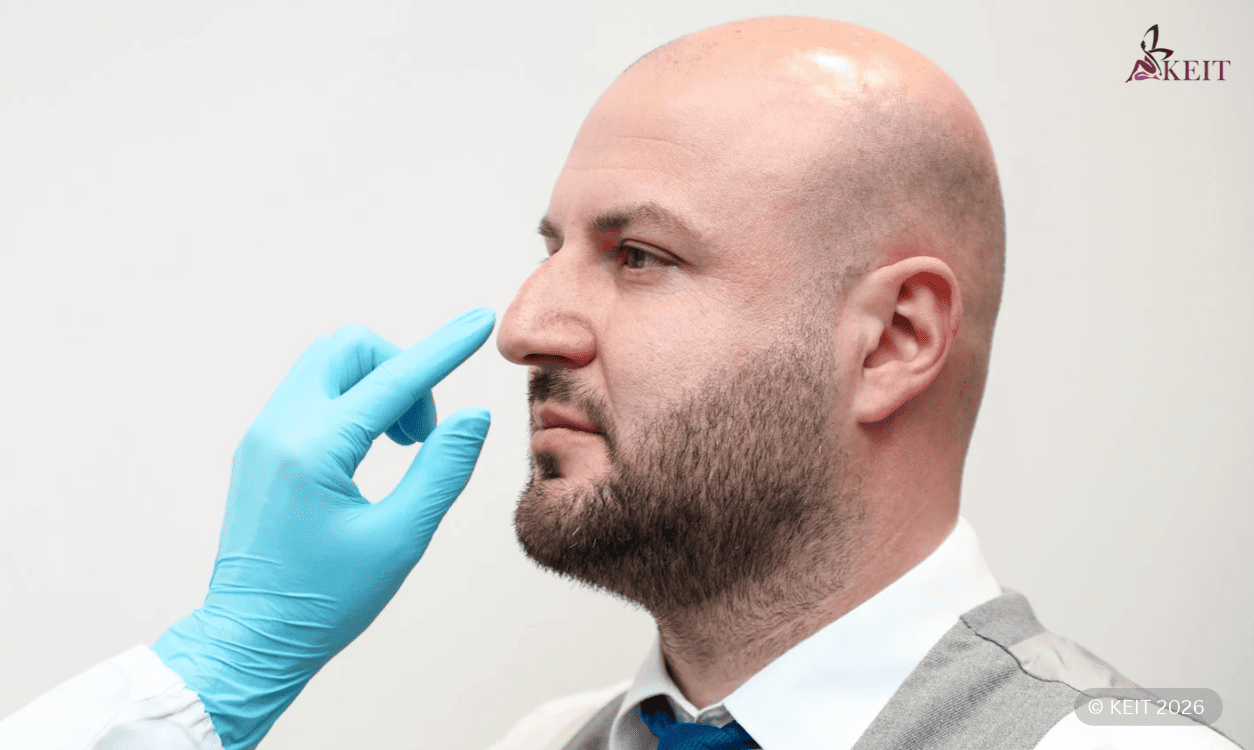
The decision between open and closed rhinoplasty is guided by the underlying nasal anatomy rather than by patient preference. Different nasal characteristics require different levels of access and correction.
- A crooked or significantly deviated nose typically requires open rhinoplasty.
- A poorly defined or structurally weak nasal tip is better addressed with open rhinoplasty.
- Revision rhinoplasty almost always requires open access.
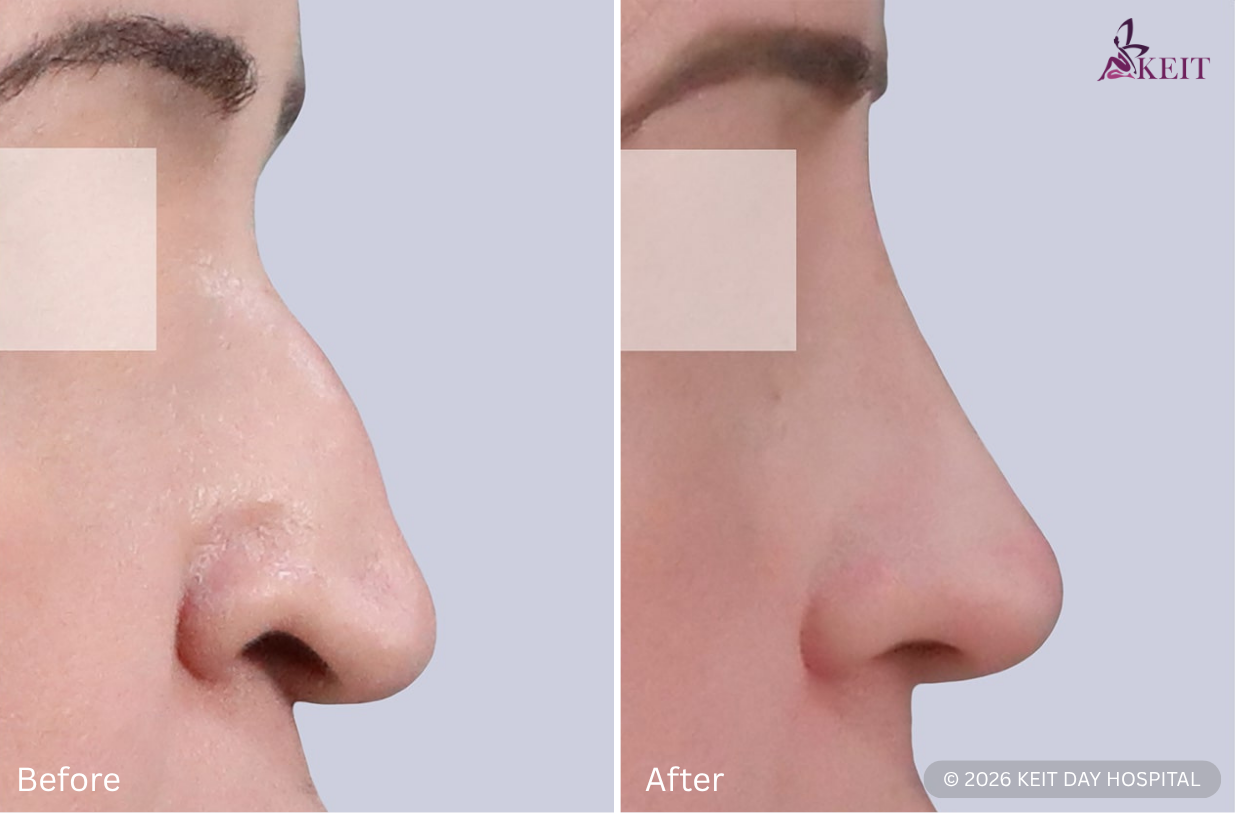
- A small dorsal hump with otherwise balanced anatomy may be suitable for closed rhinoplasty.
- Minor contour refinements can often be managed with closed rhinoplasty.
For a clear explanation of how rhinoplasty works (incisions, reshaping, open vs closed techniques) and the key risks to know, explore our complete guide to nose job surgery.
Book your FREE
Online Consultation Now

How surgeons determine whether open or closed rhinoplasty is appropriate
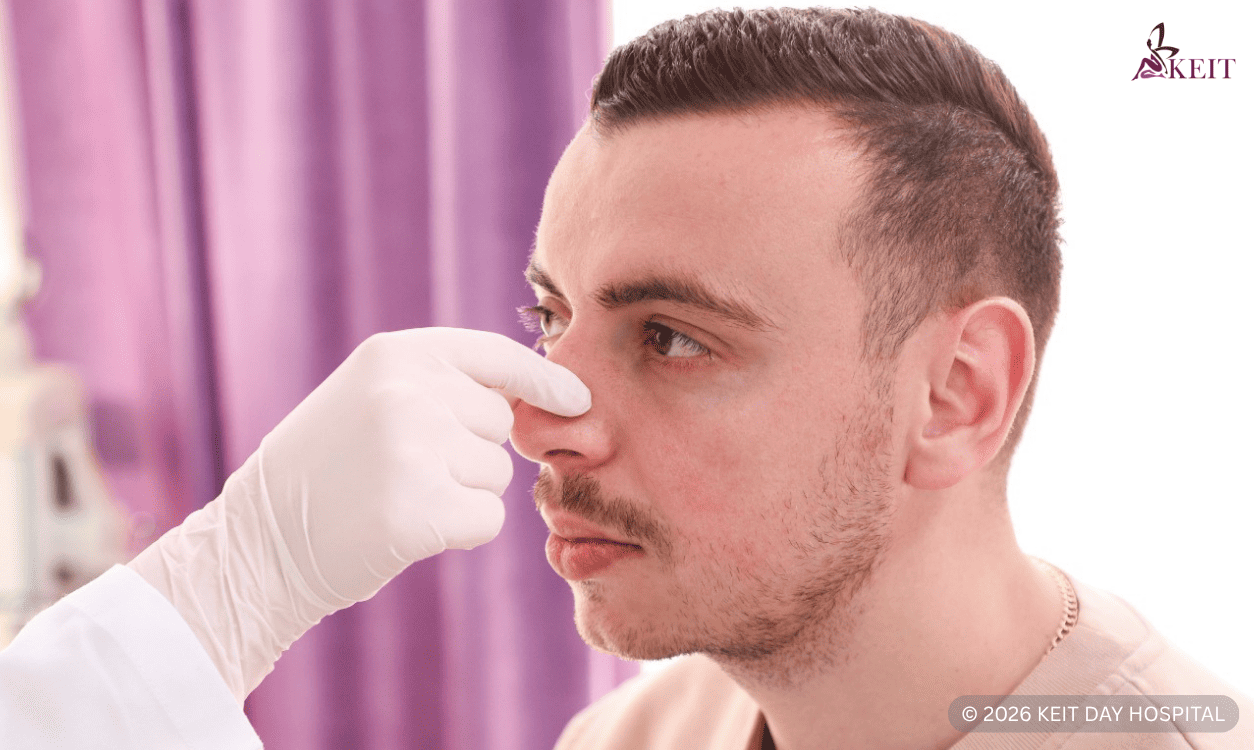
Surgeons choose between open and closed rhinoplasty after evaluating several factors, including bone alignment, cartilage strength, skin thickness, symmetry and nasal function. A history of previous nasal surgery also plays an important role in decision-making. The chosen technique is the one that allows the safest and most controlled correction for the individual nose.
Closed rhinoplasty in Albania: Why is KEIT Day Hospital your smart and affordable choice?
Rhinoplasty cost in Albania is a key reason international patients choose KEIT Day Hospital. Prices typically range from 1,600 to 2,600 euro, covering a fully all-inclusive package with no hidden costs. This competitive pricing reflects Albania’s efficient healthcare system and KEIT’s high surgical volume, not lower quality. Patients benefit from experienced Italian surgeons, modern facilities and safe, transparent care.
At KEIT Day Hospital, closed rhinoplasty is performed by a specialised multidisciplinary team of otorhinolaryngologists, maxillofacial surgeons and plastic surgeons with extensive experience, having completed over 18,000 nose surgeries and supported by 11,000 verified patient reviews. KEIT adopts advanced techniques such as ultrasonic rhinoplasty for precise bone reshaping with reduced trauma and preservation rhinoplasty to maintain natural nasal structures. Comprehensive patient care includes nausea-free general totally intravenous anesthesia, advanced silicone splints, accommodation at KEIT Hotel just a 2-minute walk from the hospital, multilingual assistance, airport transfers, post-operative follow-ups both in-hospital and online and flexible payment options making KEIT in Albania a reliable and high-value choice for rhinoplasty.