Published on:
 Modified on:

 Reading Time: 4 min
 Rhinoplasty
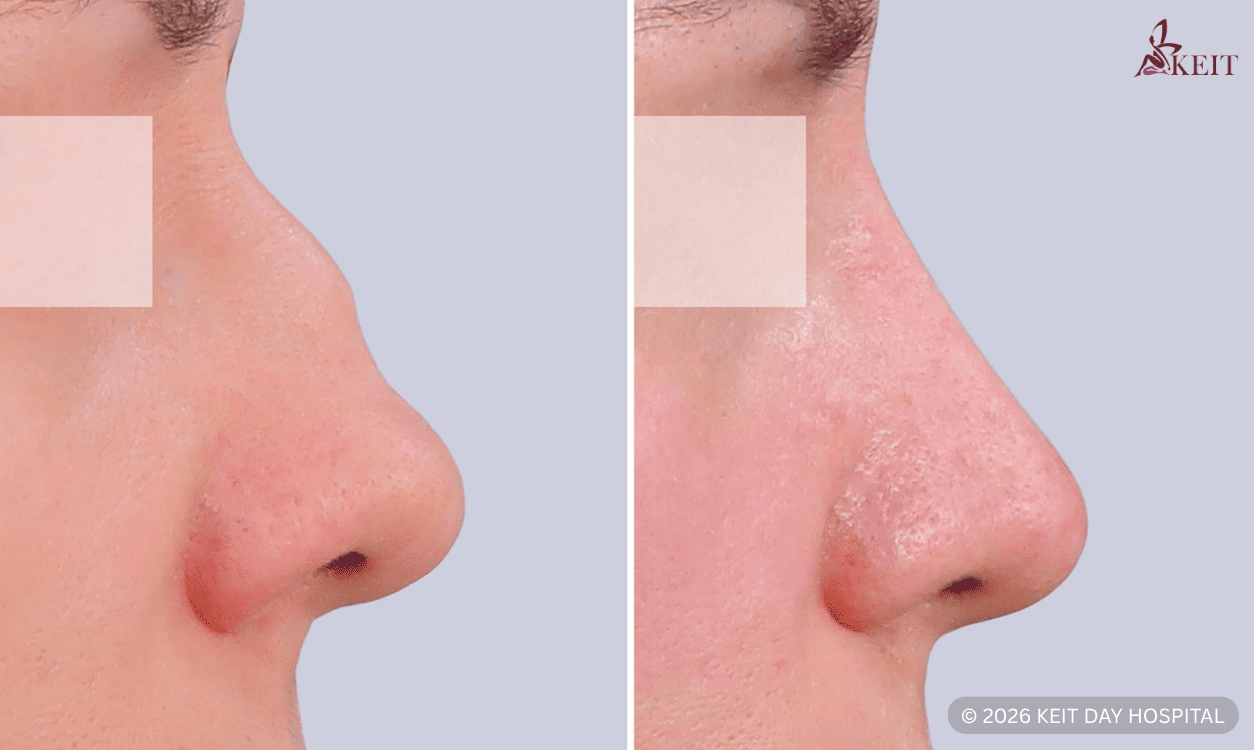
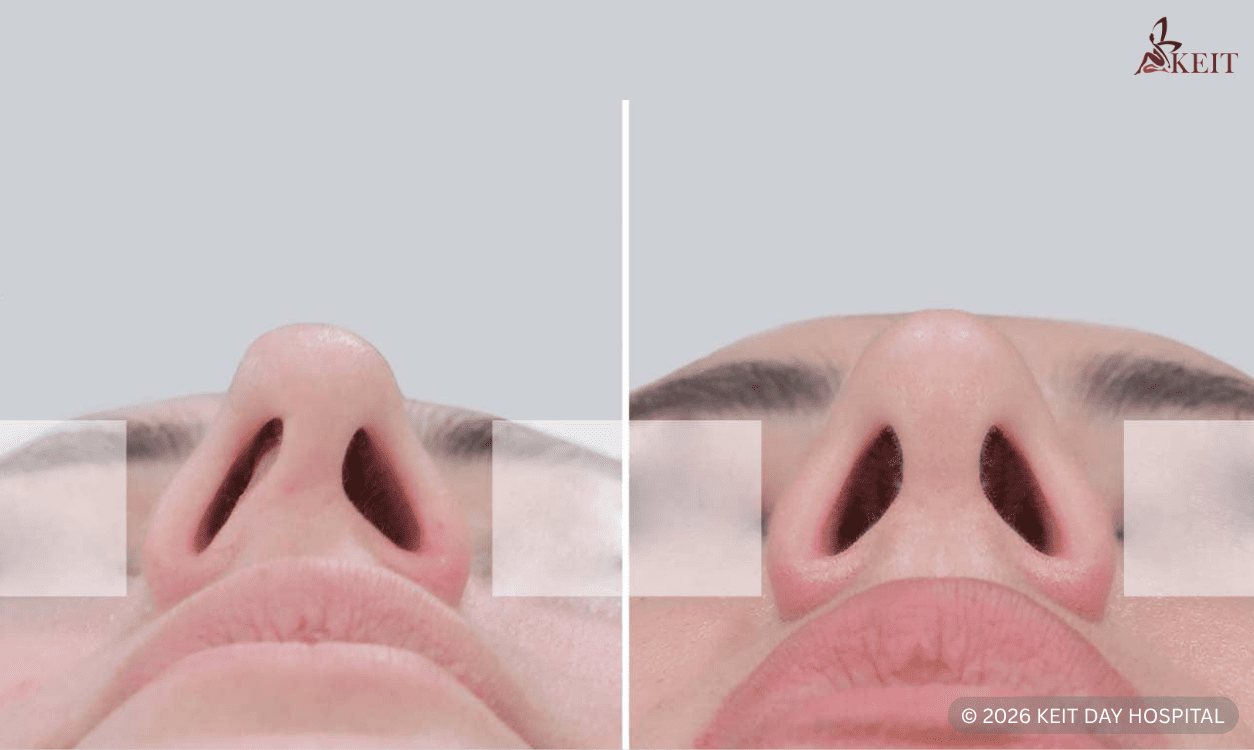
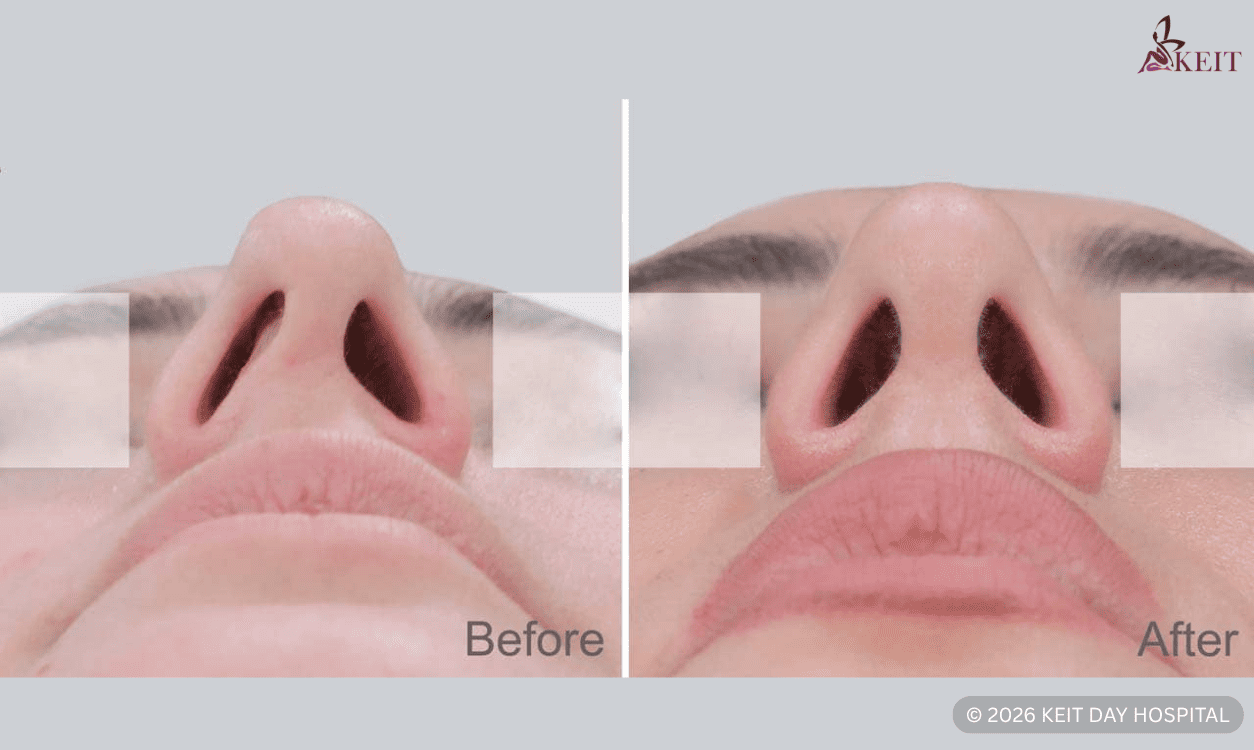
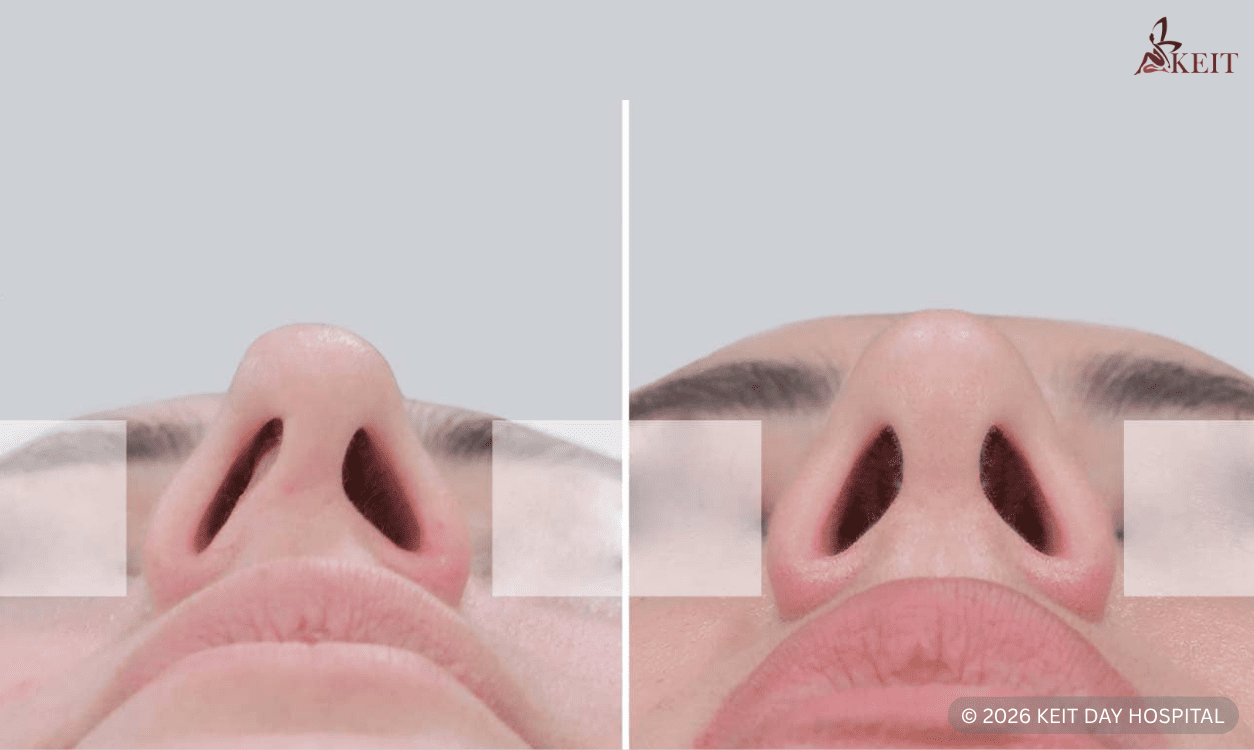
 recovery begins immediately after surgery and progresses in stages. Early swelling, congestion and mild bruising are common during the early phase. The recovery time for nose surgery varies by the technique used, extent of structural work, and individual healing response, with visible improvement within weeks and final refinement over months.
 Table of Contents:
-
1
 What to expect immediately after rhinoplasty surgery?
-
2
Rhinoplasty recovery: What happens in the first hours, days and weeks?
-
3
Swollen nose after rhinoplasty: Why does it happen and how long does it last?
-
4
Crusting of nose after rhinoplasty: Causes, duration and management
-
5
Rhinoplasty post-operative: What to do after nose surgery?
-
6
Restrictions after rhinoplasty surgery: What to avoid?
-
7
When to contact your surgeon during rhinoplasty recovery?
This article covers what occurs immediately after rhinoplasty, how recovery progresses in the first hours, days, and weeks, why swelling happens and how long it lasts. It also explains nasal crusting and management, essential post-operative care steps, key activity restrictions, and symptoms that require contacting the surgeon.
What to expect immediately after rhinoplasty surgery?
Immediately after rhinoplasty surgery, the early recovery phase begins as anesthesia wears off and the nasal structures stabilize, leading to a series of post-operative sensations and temporary functional changes.
- You may feel groggy, tired, and occasionally mildly nauseous due to anesthesia.
- The nose typically feels tight and pressured, and nasal congestion from swelling makes mouth breathing common.
- A nasal splint is applied, and light drainage or mild bleeding may occur for 24–48 hours.
- Swelling begins immediately, and bruising around the eyes may start to appear.
Rhinoplasty recovery: What happens in the first hours, days and weeks?
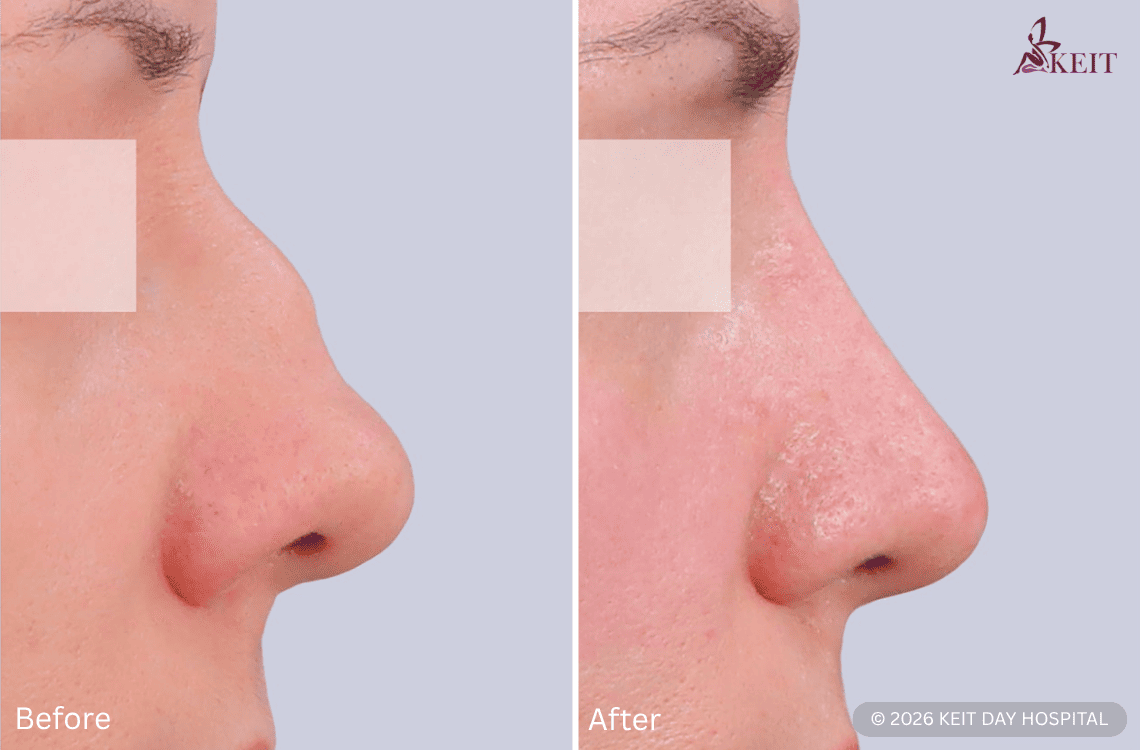
Rhinoplasty recovery is a gradual process that unfolds over several stages, from the initial hours and days to the following weeks and months. The recovery time for nose surgery varies for each patient, as it depends on the technique used and the individual healing response.
- First hours: Grogginess from anesthesia, nasal tightness or pressure and significant congestion are expected. A splint is in place and light blood-tinged drainage may occur.
- Days 1–3: Swelling typically peaks and bruising becomes more noticeable. Nasal breathing remains limited due to internal swelling.
Rhinoplasty recovery time by weeks
- Week 1: Swelling and bruising remain prominent. Splint removal commonly occurs around day 7.
- Week 2: Bruising fades significantly and swelling begins to soften. Many return to work and routine activities.
- Weeks 3–4: Most visible swelling improves, but the nose still looks puffy, especially at the tip.
- Months 2–3: Nasal definition gradually improves.
- Months 6–12: Final contour settles as residual swelling resolves; complete healing can take up to 12 months.

Swollen nose after rhinoplasty: Why does it happen and how long does it last?
Nose swelling after rhinoplasty occurs as a direct physiological response to surgical manipulation of bone, cartilage, and soft tissue. The swelling begins immediately, peaks within the first few days, and gradually subsides as inflammation resolves and normal drainage is restored.
The duration and intensity of swelling primary depend on:
- Extent of structural modification: More extensive reshaping of bone, cartilage, or use of grafts increases tissue trauma and prolongs edema.
- Skin thickness: Thick skin retains fluid longer and delays visible definition, particularly at the nasal tip.
- Post-operative compliance: Proper head elevation, activity restriction, and avoidance of smoking or trauma directly influence how efficiently swelling resolves.
Crusting of nose after rhinoplasty: Causes, duration and management
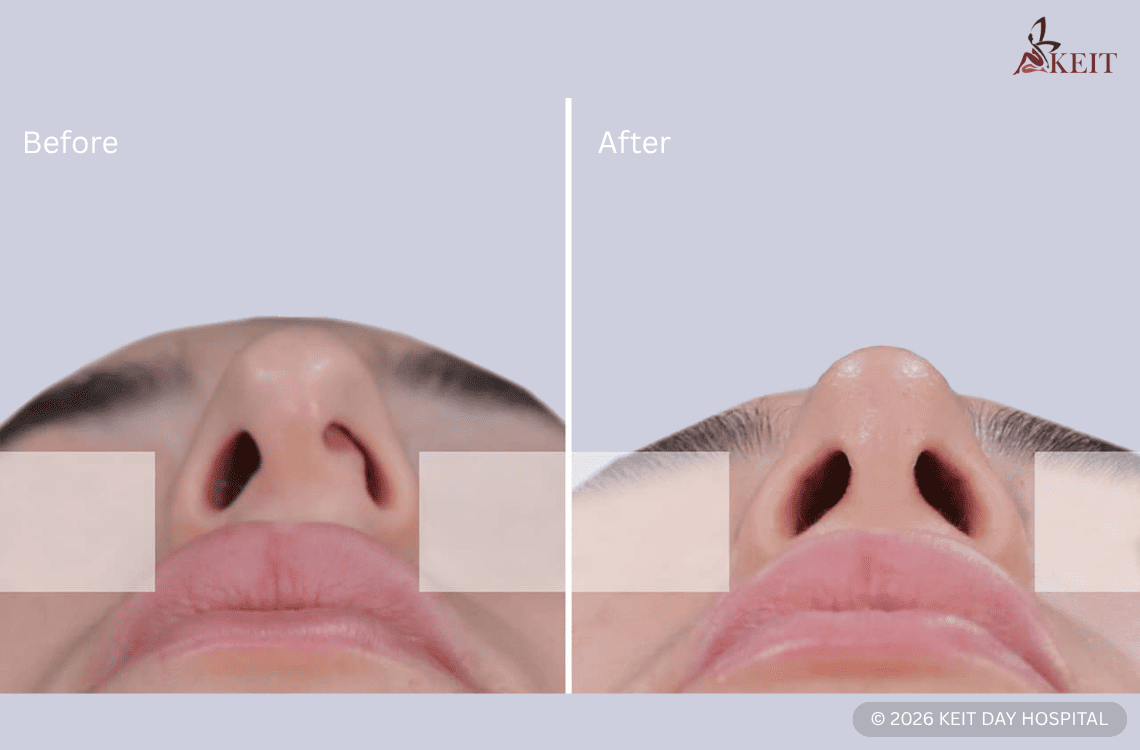
Crusting of the nose after rhinoplasty is a normal part of internal healing. It occurs due to dried blood, regeneration of the nasal mucosa and the presence of internal sutures. Crusting is most prominent for the first 2–3 weeks, subsiding as the nasal lining heals. The duration varies based on the surgical technique, individual healing, and adherence to post-operative care instructions.
It is important not to forcefully remove scabs, as this can trigger bleeding, delay healing, and increase the risk of infection. Proper management includes maintaining adequate hydration to keep the nasal lining moist, following hygiene instructions provided by the surgeon, and avoiding excessively dry environments.
Rhinoplasty post-operative: What to do after nose surgery?
Proper post-operative care is essential to support healing, control swelling, and ensure a stable recovery after rhinoplasty.
- Keep the head elevated, including during sleep, to help reduce swelling.
- Take prescribed medications exactly as directed.
- Use saline sprays regularly to maintain internal nasal hygiene.
- Maintain proper hydration and balanced nutrition to support recovery.
Restrictions after rhinoplasty surgery: What to avoid?
Strict adherence to post-operative restrictions is essential to protect the surgical result and prevent complications.
- Stay out of direct sun exposure, which may prolong swelling and discoloration.
- Avoid sleeping flat without head elevation during the initial weeks.
- Refrain from heavy exercise and strenuous physical activity in the early recovery phase.
- Hold off on alcohol consumption in the first days after surgery.
When to contact your surgeon during rhinoplasty recovery?
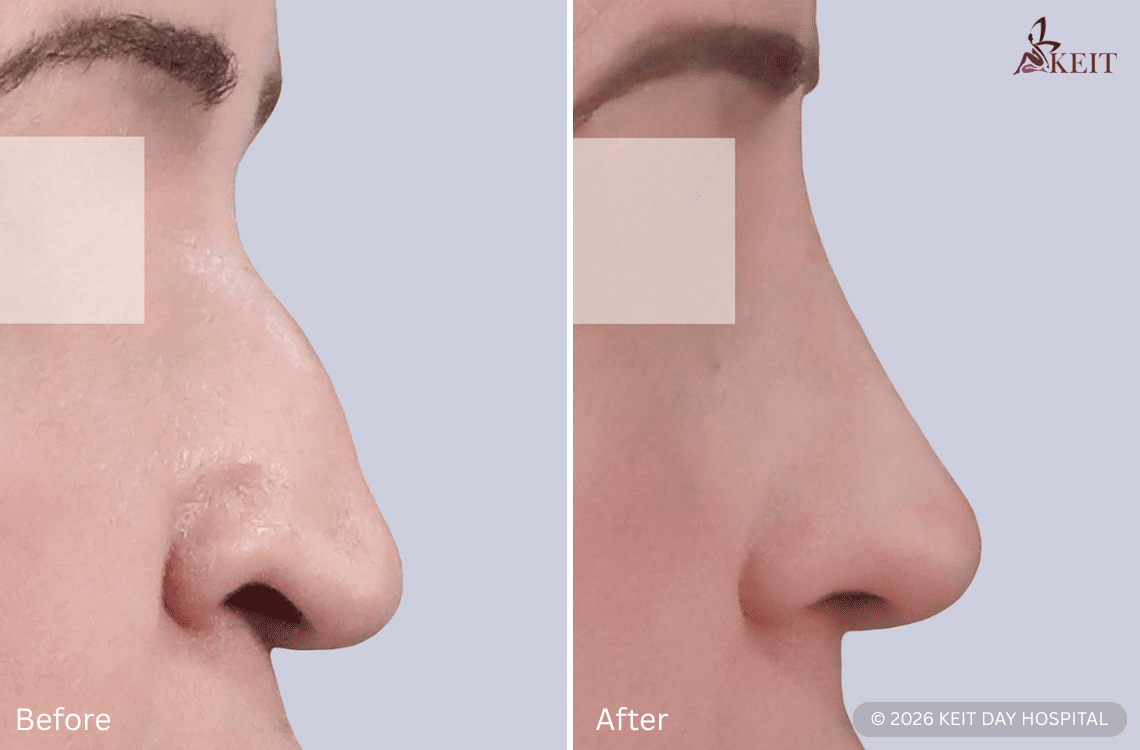
Although rhinoplasty recovery typically progresses without complications, certain symptoms require prompt medical evaluation and the surgeon should be contacted without delay if they occur.
- Persistent or heavy bleeding that does not subside.
- High fever or signs of systemic infection.
- Sudden or rapidly increasing asymmetrical swelling.
- Severe or worsening pain not controlled with prescribed medication.
- Foul-smelling nasal discharge.
- Difficulty breathing beyond expected post-operative congestion.