Published on:
 Modified on:

 Reading Time: 5 min
 Rhinoplasty
 risks include common, temporary effects such as swelling, bruising, mild pain, nasal congestion, nosebleeds and short-term numbness during healing. Less frequently, complications may occur, including infection, scarring, breathing difficulties or unsatisfactory aesthetic results that may require revision surgery. Rare risks include septal perforation or changes in smell, while general surgical risks related to anesthesia and bleeding also apply. Careful planning and choosing an experienced rhinoplasty specialist are key to minimizing risk and achieving safe, predictable results.
 Table of Contents:
-
1
 Is rhinoplasty truly safe today?
-
2
Common rhinoplasty risks: Normal and temporary
-
3
Real rhinoplasty risks and complications to be aware of
-
4
Rhinoplasty gone wrong: Why it happens
-
5
Understanding anesthesia risks in rhinoplasty surgery
-
6
Rhinoplasty risks by patient profile
-
7
Ultrasonic and preservation rhinoplasty: Are they safer?
-
8
When to worry about rhinoplasty risks
-
9
How to reduce rhinoplasty risks
This comprehensive guide explains whether rhinoplasty is safe today, which post-operative effects are normal, what real complications can occur, how anesthesia impacts risk and which factors most strongly influence outcomes. You will also learn how to actively reduce risks, when to seek medical attention after surgery and why surgeon expertise and follow-up play a decisive role in long-term safety and results.
Is rhinoplasty truly safe today?
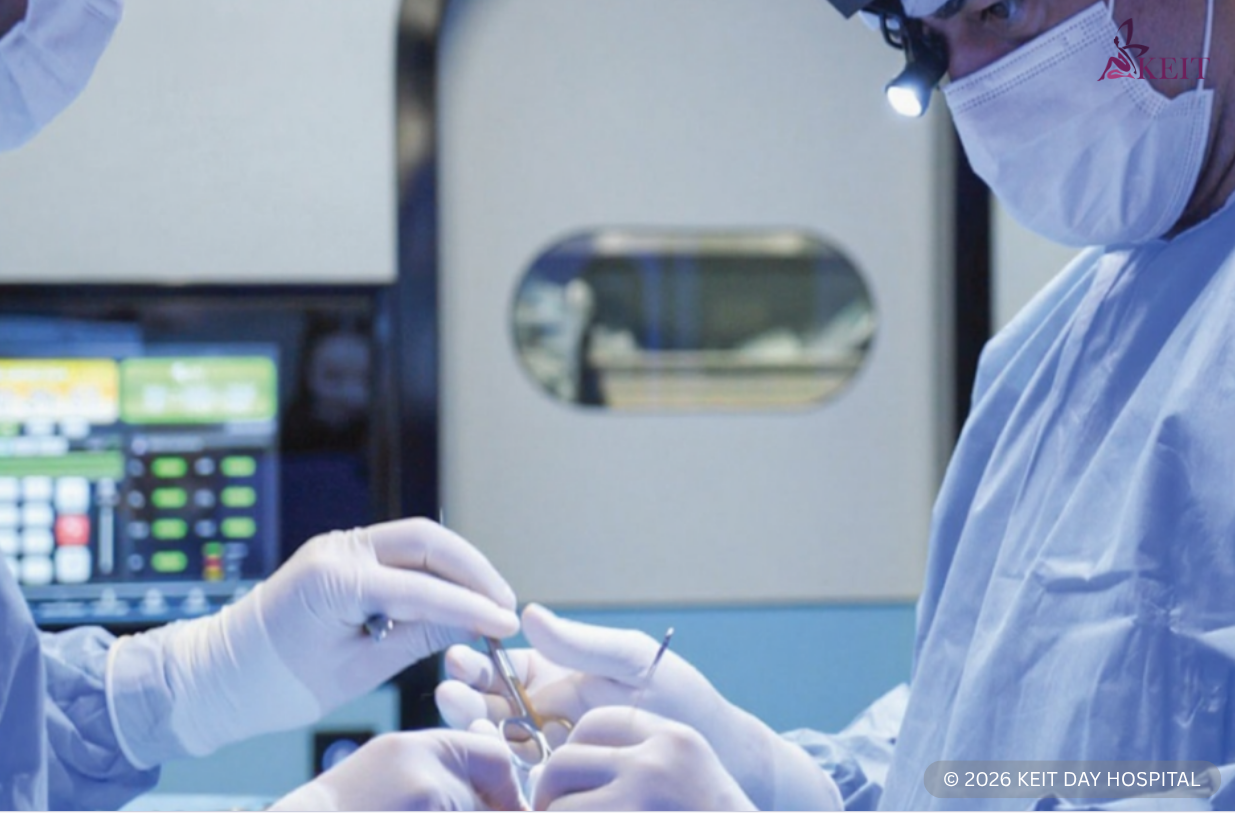
Modern rhinoplasty is significantly safer than in the past due to advances in surgical techniques, anesthesia management and pre-operative planning. High-resolution imaging, conservative structural approaches and refined instruments allow surgeons to reshape the nose while preserving stability and function.
When performed in accredited medical facilities by surgeons specialized in nasal surgery, rhinoplasty has a low overall complication rate. Large clinical series consistently show that serious complications are uncommon and that most post-operative issues are temporary and resolve with proper care.
For a full explanation of surgical techniques, goals and indications, see our in-depth guide on what rhinoplasty is.
Common rhinoplasty risks: Normal and temporary
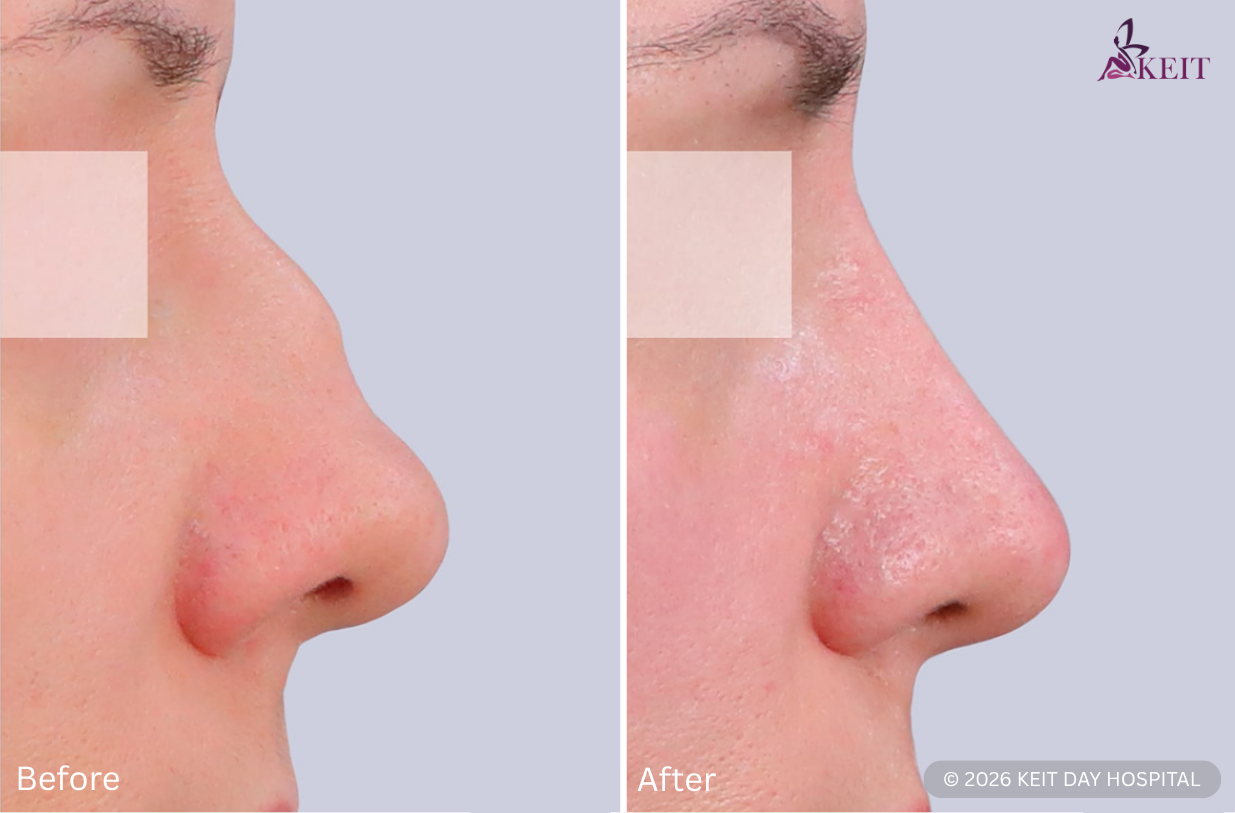
After nose reshaping procedure, certain effects are expected as part of the healing process. These should not be classified as complications but rather as physiological responses to surgery.
- Swelling: Swelling is universal and most noticeable during the first 7–10 days. While the majority resolves within weeks, subtle swelling especially at the nasal tip, can persist for several months.
- Bruising: Bruising around the eyes and cheeks is common, particularly when nasal bones are repositioned. It usually fades within 10–14 days.
- Nasal congestion: Temporary blockage occurs due to internal swelling and healing tissues.
- Temporary numbness: Reduced sensation of the nasal skin or upper lip may occur due to nerve irritation and typically resolves spontaneously over weeks or months.
- Mild pain or pressure: Discomfort is generally mild and well controlled with standard pain medication during the first days.
Book your FREE
Online Consultation Now

Real rhinoplasty risks and complications to be aware of
Although uncommon, true complications can occur and are best understood by category.
Aesthetic risks
Aesthetic complications include asymmetry, contour irregularities or over-reduction of nasal structures. Some irregularities only become apparent after swelling subsides. Thick skin and complex anatomy can increase aesthetic unpredictability.
Surgical (medical) risks
Medical risks include infection, bleeding or delayed wound healing. These are rare in modern practice and strongly influenced by sterile technique, post-operative care and patient-related factors such as smoking or chronic illness.
Functional risks
Functional complications affect breathing and nasal support. These may include breathing difficulties if structural elements are weakened, septal perforation leading to dryness or crusting, or internal nasal valve collapse that reduces airflow. These risks are closely tied to surgical technique and structural preservation.
Rhinoplasty gone wrong: Why it happens
Unfavorable outcomes typically result from identifiable factors rather than unpredictable events, such as:
- Limited surgeon’s experience.
- Aggressive or outdated techniques.
- Inadequate anatomical planning.
- Poor integration of functional and aesthetic goals.
- Lack of structured post-operative follow-up.
These factors highlight why surgeon specialization and clinic standards are critical.
Understanding anesthesia risks in rhinoplasty surgery
Rhinoplasty is usually performed under general anesthesia to ensure comfort, airway safety and surgical precision. When administered by qualified anesthesiologists in accredited facilities, modern anesthesia is highly safe. A pre-operative anesthetic assessment helps tailor anesthesia to the patient and reduce risks.
- Common short-term effects may include nausea, dizziness or fatigue, usually resolving within hours or days.
- Serious anesthesia-related complications are rare, particularly in healthy patients, with reported incidence well below 1%.
Rhinoplasty risks by patient profile
Individual patient characteristics can influence both surgical risk and recovery. Certain profiles require special consideration:
- Smokers: Reduced blood supply increases the risk of delayed healing, infection and poor scar quality.
- Thick skin: Swelling may last longer and the final definition can take more time to become visible.
- Previous nasal trauma: Fractures or asymmetry may complicate structural correction.
- Deviated septum: Combining functional and aesthetic correction increases procedural complexity.
- Ethnic rhinoplasty: Preserving structural support is critical to maintain both function and natural appearance.
Personalized surgical planning is essential to manage these variables safely.
Ultrasonic and preservation rhinoplasty: Are they safer?
Ultrasonic and preservation rhinoplasty aim to reduce surgical trauma while improving precision and structural stability. These techniques may offer:
- More precise bone reshaping through controlled ultrasonic instruments.
- Reduced soft-tissue damage compared to traditional methods.
- Less swelling and bruising during early recovery.
- Better preservation of nasal structure for long-term stability.
- More predictable aesthetic and functional outcomes.
While no technique eliminates risk entirely, these approaches can improve control and recovery when performed by experienced surgeons.
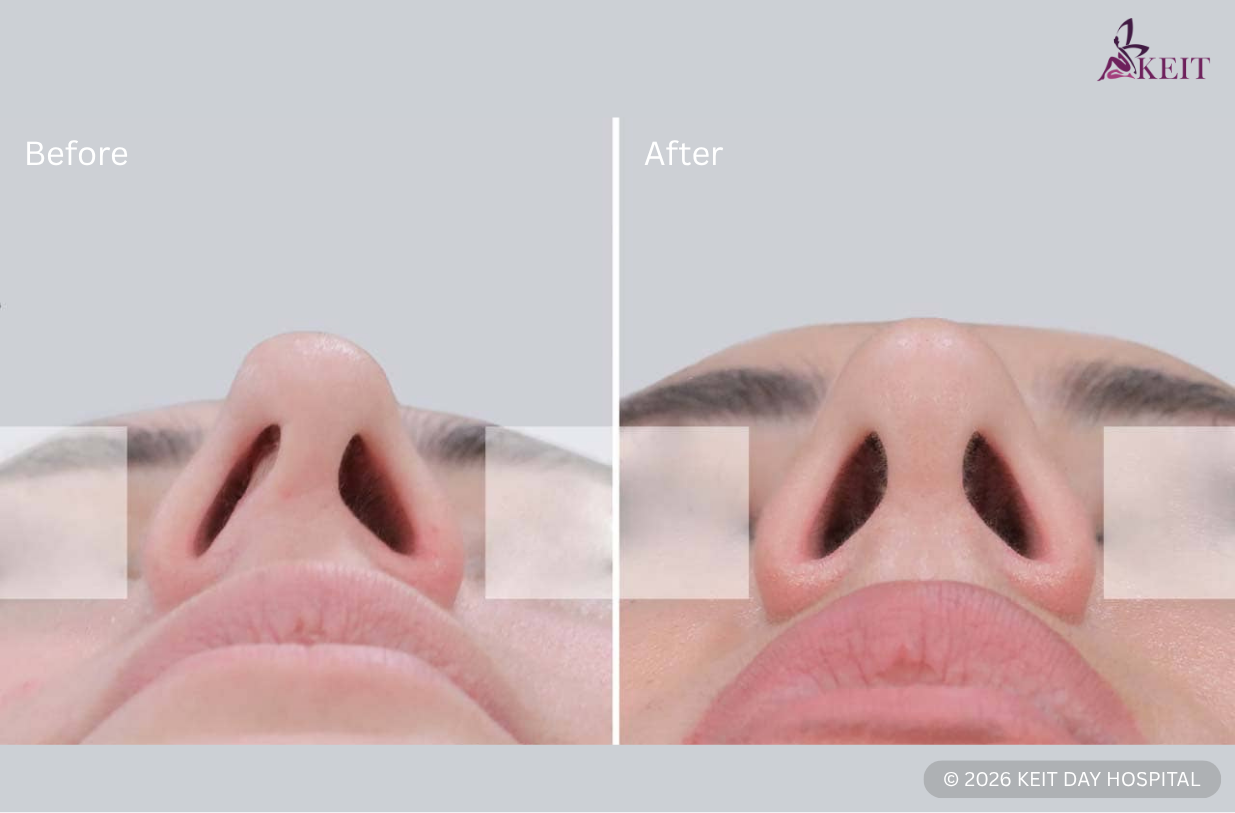
When to worry about rhinoplasty risks
While most post-operative symptoms are expected and temporary, certain signs require medical evaluation. Patients should contact their surgeon if they experience:
- Fever or signs of infection.
- Increasing pain instead of gradual improvement.
- Progressive or worsening asymmetry.
- Breathing difficulties that worsen over time rather than improve.
- Persistent or heavy bleeding not resolving with standard measures.
Early assessment allows timely intervention and helps prevent more serious complications.
How to reduce rhinoplasty risks
Risk reduction begins well before surgery and continues throughout recovery. The most important protective factors include:
- Choosing a surgeon specialized in rhinoplasty, not general cosmetic surgery.
- Ensuring surgery is performed in an accredited medical facility.
- Completing full pre-operative examinations, such as blood tests, coagulation screening, ECG and anesthetic evaluation to identify risk factors and ensure surgical safety before rhinoplasty.
- Using conservative, structure-preserving techniques.
- Following a structured post-operative follow-up plan, including nasal hygiene, splint care, temporary activity restrictions and scheduled medical checks to promote safe healing and detect issues early.