Published on:
 Modified on:

 Reading Time: 4 min

 Rhinoplasty
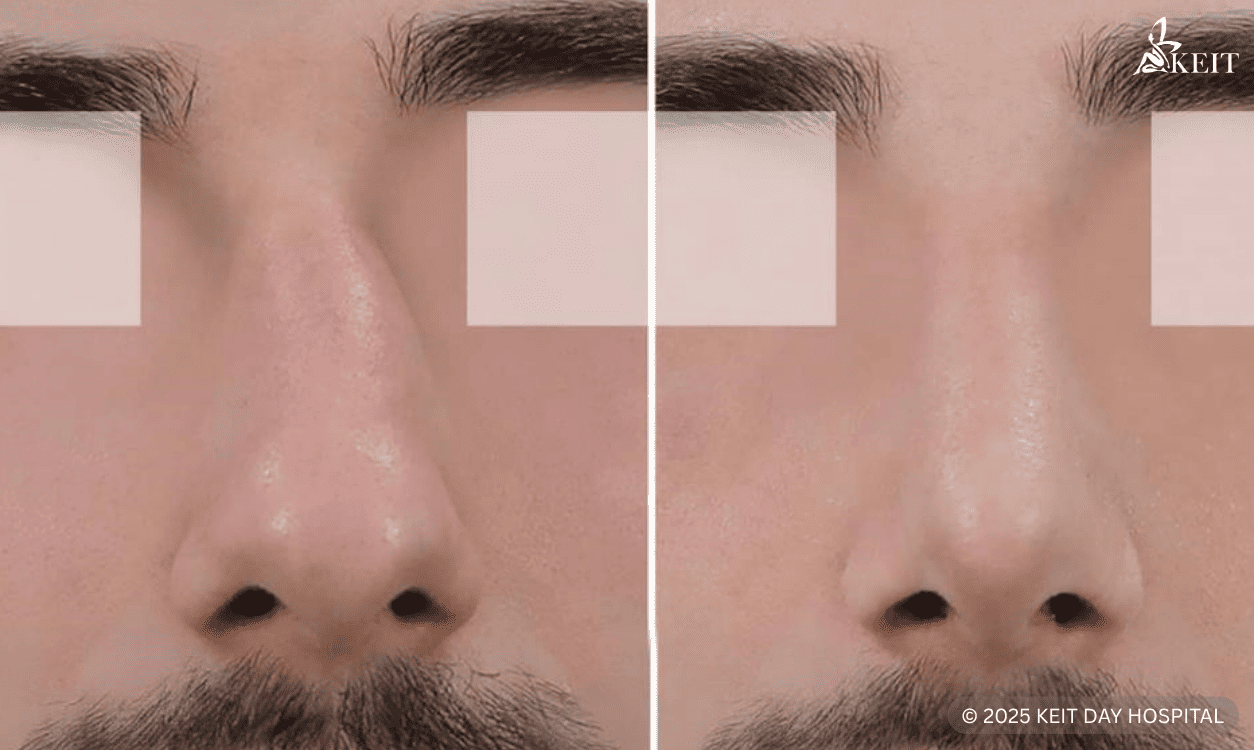
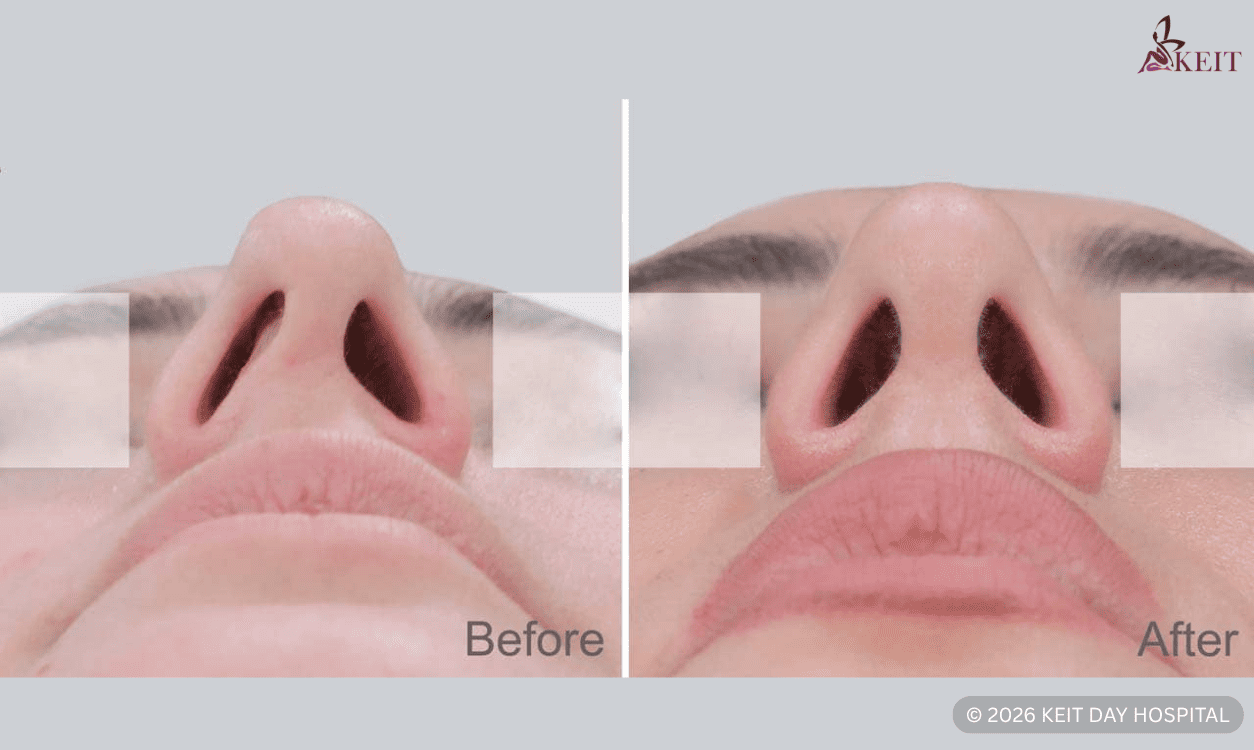
Ultrasonic rhinoplasty is an advanced surgical technique that reshapes the nasal bones using piezoelectric ultrasound technology. Unlike traditional methods that rely on manual force, ultrasonic instruments allow controlled bone sculpting while preserving surrounding soft tissues. This results in improved precision, reduced trauma and a smoother recovery. The technique is widely used for aesthetic refinement, nasal asymmetry and functional correction when high structural accuracy is required.
 Table of Contents:
-
1
 What is ultrasonic rhinoplasty?
-
2
How does ultrasonic rhinoplasty work?
-
3
Who is a good candidate for an ultrasonic nose job?
-
4
Ultrasonic rhinoplasty vs Traditional rhinoplasty: Key differences
-
5
Open vs closed approach: How ultrasonic rhinoplasty is performed
-
6
Ultrasonic rhinoplasty: Risks and possible complications to be aware of
-
7
Ultrasonic rhinoplasty cost: What to expect in the UK
-
8
Why choose KEIT Day Hospital for ultrasonic rhinoplasty
In this article, you will learn what ultrasonic rhinoplasty is, how it works from a medical perspective and who is an ideal candidate for this technique. The article explains how ultrasonic rhinoplasty differs from traditional rhinoplasty, how the procedure is performed, what risks should be considered and how much it costs. You will also discover why specialist surgical care at KEIT Day Hospital ensures safe, precise and predictable ultrasonic rhinoplasty results.
What is ultrasonic rhinoplasty?
Ultrasonic rhinoplasty is an advanced surgical technique used during rhinoplasty to reshape the nasal bones with high precision. It is commonly used to correct bony irregularities such as dorsal humps, asymmetries or excessive width of the nasal bridge. Compared with traditional bone-fracturing methods, ultrasonic rhinoplasty allows for more controlled structural modification, with the goal of improving accuracy and reducing unintended bone trauma.
How does ultrasonic rhinoplasty work?
Ultrasonic rhinoplasty works by applying controlled ultrasonic energy directly to the nasal bones using a piezoelectric device.
- Ultrasonic vibrations: High-frequency micro-vibrations enable precise cutting and sculpting of bone with millimetric accuracy.
- Selective bone cutting: Only mineralised bone responds to ultrasonic energy, preventing uncontrolled fractures or irregular break lines.
- Soft-tissue preservation: Blood vessels, mucosa and cartilage remain largely unaffected, which significantly reduces bruising and post-operative swelling.
- Clinical relevance: Lower tissue trauma improves surgical predictability, shortens recovery time and reduces the likelihood of post-operative irregularities or revision surgery.
This mechanism allows surgeons to reshape nasal bones with greater precision than conventional rhinoplasty instruments.
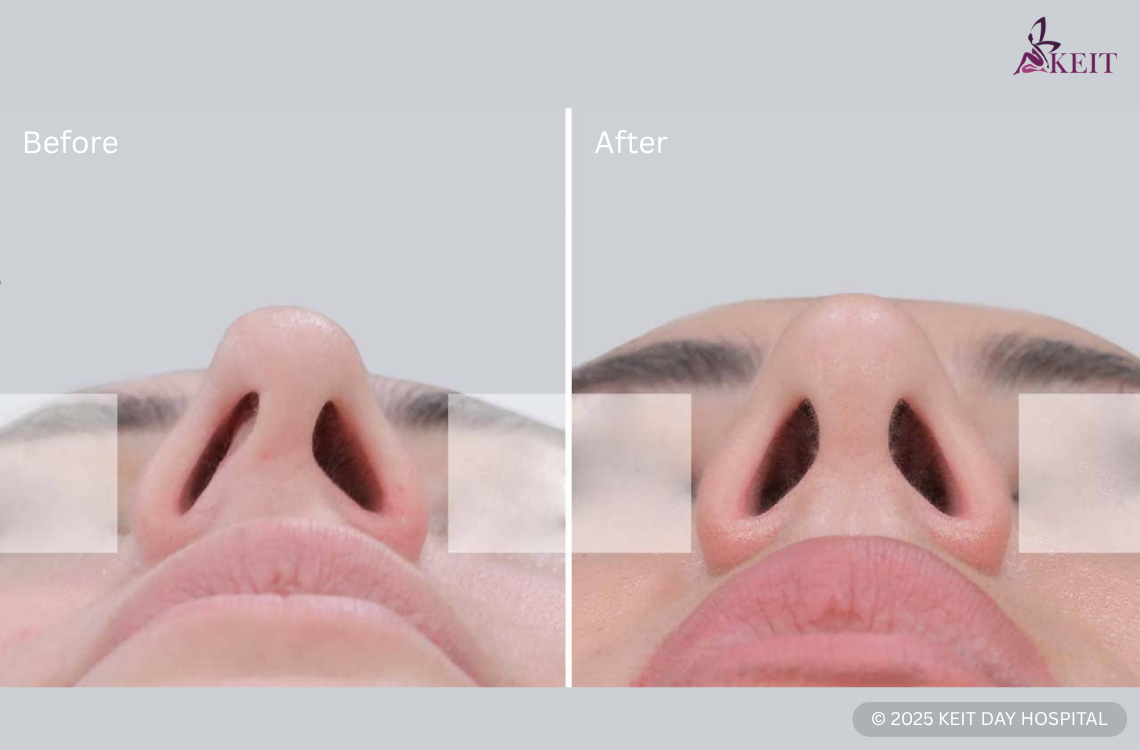
Who is a good candidate for an ultrasonic nose job?
Ultrasonic rhinoplasty is best suited for patients whose concerns involve the bony framework of the nose. You may be a good candidate if you:
- Have a prominent dorsal hump caused mainly by bone.
- Present with wide or asymmetric nasal bones.
- Have a crooked nose with a bony deviation.
- Require post-traumatic nasal bone correction.
- Are in good general health and medically cleared for surgery.
- Have realistic expectations about achievable results.
Smoking negatively affects healing and increases complication risk. Patients are advised to stop smoking several weeks before and after surgery to ensure optimal outcomes.

Ultrasonic rhinoplasty vs Traditional rhinoplasty: Key differences
Ultrasonic rhinoplasty and traditional rhinoplasty differ primarily in how the nasal bones are reshaped, which directly affects surgical precision, recovery time and outcome predictability, as outlined below.
| Aspect | Ultrasonic Rhinoplasty | Traditional Rhinoplasty |
|---|---|---|
| Precision | Extremely high, controlled bone sculpting | Less controlled bone fractures |
| Bruising and swelling | Significantly reduced | More pronounced |
| Recovery | Faster and smoother | Longer downtime |
| Predictability | High accuracy and symmetry | Greater variability |
| Revision risk | Lower due to controlled bone work | Higher in complex cases |
| Surgeon’s dependency | Requires specialized training | Widely practiced technique |
Open vs closed approach: How ultrasonic rhinoplasty is performed
Ultrasonic rhinoplasty can be performed using either an open or closed approach. In the open ultrasonic rhinoplasty, a small external incision allows the surgeon full visibility and direct access to the nasal structures, making it the preferred choice for complex cases, significant asymmetries, or revision rhinoplasty. The closed ultrasonic rhinoplasty, performed entirely through internal incisions, leaves no visible scar and is typically suited for minor adjustments or straightforward reshaping.
If you want a broader understanding of how nose reshaping works beyond ultrasonic techniques, you can explore our complete guide on what rhinoplasty is and how it’s performed.
Ultrasonic rhinoplasty: Risks and possible complications to be aware of
When performed by experienced specialists, ultrasonic rhinoplasty is considered safe. It remains crucial to understand that all surgical procedures carry potential risks.
- Common effects: Temporary swelling, mild bruising, nasal congestion and stiffness during healing.
- Specific risks: Prolonged swelling, minor contour irregularities or residual asymmetry.
- Rare complications: Infection, hematoma, breathing difficulties or need for revision surgery due to individual healing variability.
Careful surgical planning and adherence to post-operative instructions significantly reduce these risks.
Ultrasonic rhinoplasty cost: What to expect in the UK
How much is an ultrasonic rhinoplasty? Ultrasonic rhinoplasty cost in the UK is typically higher than standard rhinoplasty due to the advanced technology and specialist expertise required. Prices typically range between 8,500 and 17,000 euro, depending on case complexity, whether functional correction is included and surgeon experience. Most private clinics include surgeon fees, anesthesia, operating theatre costs and routine follow-ups. Patients should confirm what is included, particularly regarding revision policies and aftercare, as pricing transparency varies across clinics.
For a more detailed comparison of pricing, inclusions and cost differences by country, see our in-depth analysis of rhinoplasty cost in the UK and abroad.
Why choose KEIT Day Hospital for ultrasonic rhinoplasty
For those seeking a nose job surgery abroad, KEIT Day Hospital in Albania offers all-inclusive rhinoplasty packages starting from 1,600 euro. Procedures are performed by Italian surgeons using the closed technique, ensuring no visible scars and lasting 40 – 90 minutes.
KEIT’s team has completed over 23,000 procedures and earned more than 11,000 positive patient reviews. Specializing in ultrasonic rhinoplasty, KEIT delivers natural, precise results at a highly competitive nose job cost. Patients benefit from nausea-free anesthesia, advanced silicone splints, hotel accommodation, airport transfers, trilingual staff and follow-ups available both online and directly at the hospital, ensuring safety and peace of mind.