Published on:
 Modified on:

 Reading Time: 8 min
 Rhinoplasty
The human nose comes in a wide variety of shapes, primarily determined by genetics and anatomy, including bone structure, cartilage strength, skin thickness and overall facial proportions. Understanding different nose types helps explain why some noses appear refined, prominent, or asymmetric and why the most natural-looking results come from enhancing facial harmony and balance with other features through a personalized aesthetic journey.
 Table of Contents:
-
1
 What determines the nose shape? Genetics, anatomy and facial proportions
-
2
Classic nose shapes based on profile and structure
-
3
Refined and aesthetic nose types in modern aesthetic medicine
-
4
Structural and irregular nose types: Asymmetry, deviation and tip characteristics
-
5
Types of noses based on size and width
-
6
Ethnic nose types: Common traits and natural variation
-
7
Rhinoplasty for different types of noses at KEIT Day Hospital: Structured medical care
In this comprehensive guide, we explain the most common nose shapes and the anatomical features that define them. You will learn how different nose types influence facial balance and why modern aesthetic evaluation prioritizes natural proportions. The guide also explains how rhinoplasty approaches vary based on individual anatomy, helping you make informed decisions focused on safety, realism and long-term harmony at KEIT Day Hospital.
What determines the nose shape? Genetics, anatomy and facial proportions
Nose shape is influenced by the size and orientation of the nasal bones, the strength and flexibility of cartilage and the thickness of the skin envelope. Genetics is the main driver, but facial proportions are equally important in how a nose is perceived. The same nose can appear stronger or softer depending on chin projection, cheekbone width and lip position.
These factors determine bridge height, dorsal contour, tip definition, nostril width and overall projection, meaning two people can have the same “type” but still look different in detail.
Classic nose shapes based on profile and structure
Classic nose shapes are defined mainly by the side profile and the underlying skeletal and cartilaginous framework of the nose.
Greek nose
A Greek nose is characterized by a perfectly straight nasal bridge that runs in a continuous line from the forehead to the tip, without humps, curves, or depressions. From a profile view, the dorsum appears smooth and linear, creating a clean, symmetrical look. This nose type is often linked to facial balance because it rarely dominates the face and the tip typically aligns with the bridge, keeping the overall impression timeless and refined.
Roman nose (Aquiline nose)
A Roman nose, also known as an aquiline nose, is defined by a prominent nasal bridge that curves slightly outward, creating a convex profile. The bridge appears strong and pronounced and may extend into a subtly downturned tip, producing a distinctive silhouette that is easy to recognize from the side. This nose type is often associated with character and individuality because it adds definition to the profile while keeping the nose expressive and proportionate to the forehead, lips and chin.
Nose with a dorsal hump
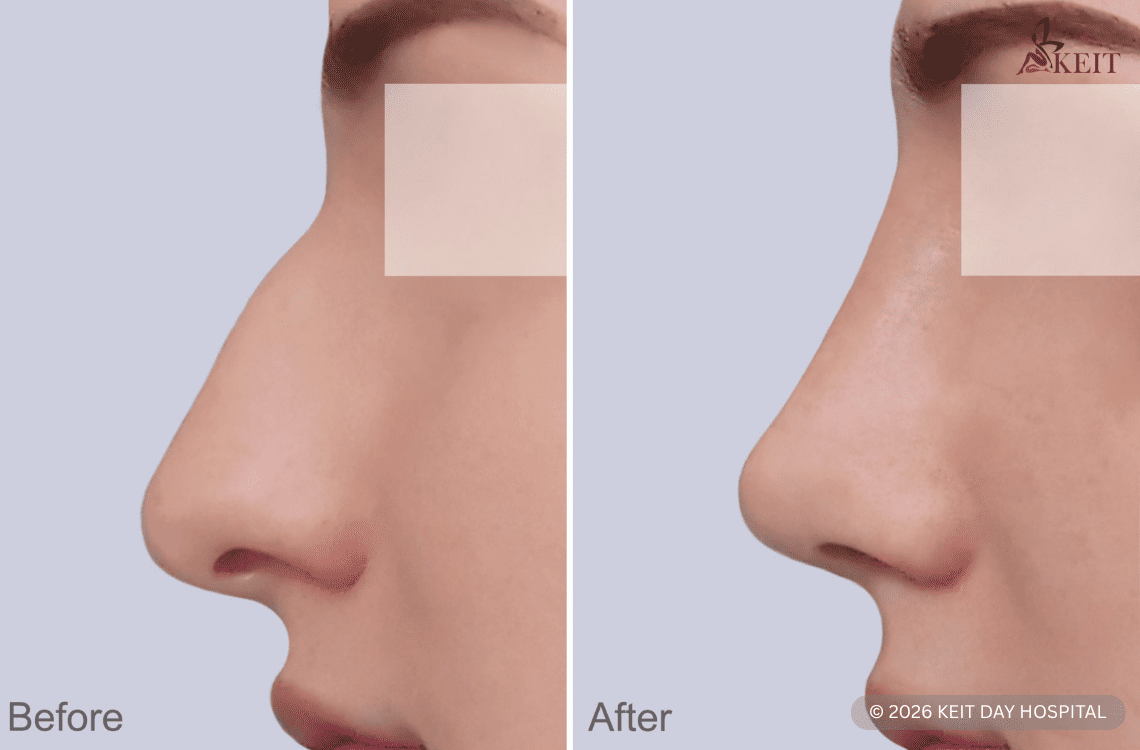
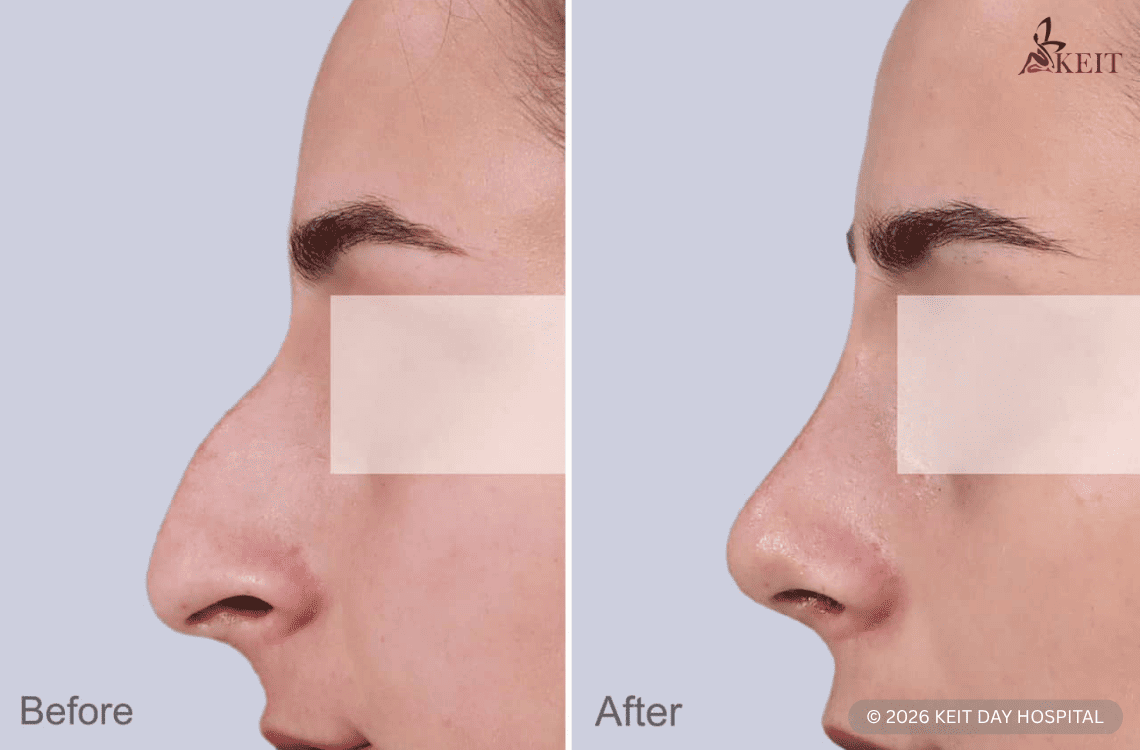
A nose with a dorsal hump features a visible bump along the nasal bridge caused by bone, cartilage, or a combination of both. The hump is most noticeable in profile view and can range from a small irregularity to a more prominent projection that interrupts an otherwise straight dorsum line. From an aesthetic standpoint what matters most is how smoothly the bridge transitions into the tip and how the profile flows with the rest of the face.
Saddle nose
A saddle nose is characterized by a collapse of the nasal bridge, giving the profile a concave appearance. The mid-portion of the nose appears flattened, which can make the nose look shortened or structurally weakened depending on how much support has been lost. This nose type may be congenital or acquired due to trauma, infection, or previous surgery and since it can involve reduced support and potential airflow changes evaluation typically considers both aesthetics and stability.
Refined and aesthetic nose types in modern aesthetic medicine
Refined and aesthetic nose types are commonly discussed in cosmetic contexts and are often associated with specific stylistic preferences.
French nose
A French nose is characterized by a shorter nasal length, refined proportions, and a subtly upturned tip combined with a straight or slightly concave bridge. The overall profile appears light and balanced, with smooth transitions that avoid sharp angles. This nose type is often associated with elegance because it enhances facial features without overpowering them and the key is restraint through gentle tip rotation controlled bridge contour and proportions that support a harmonious look.
Upturned nose
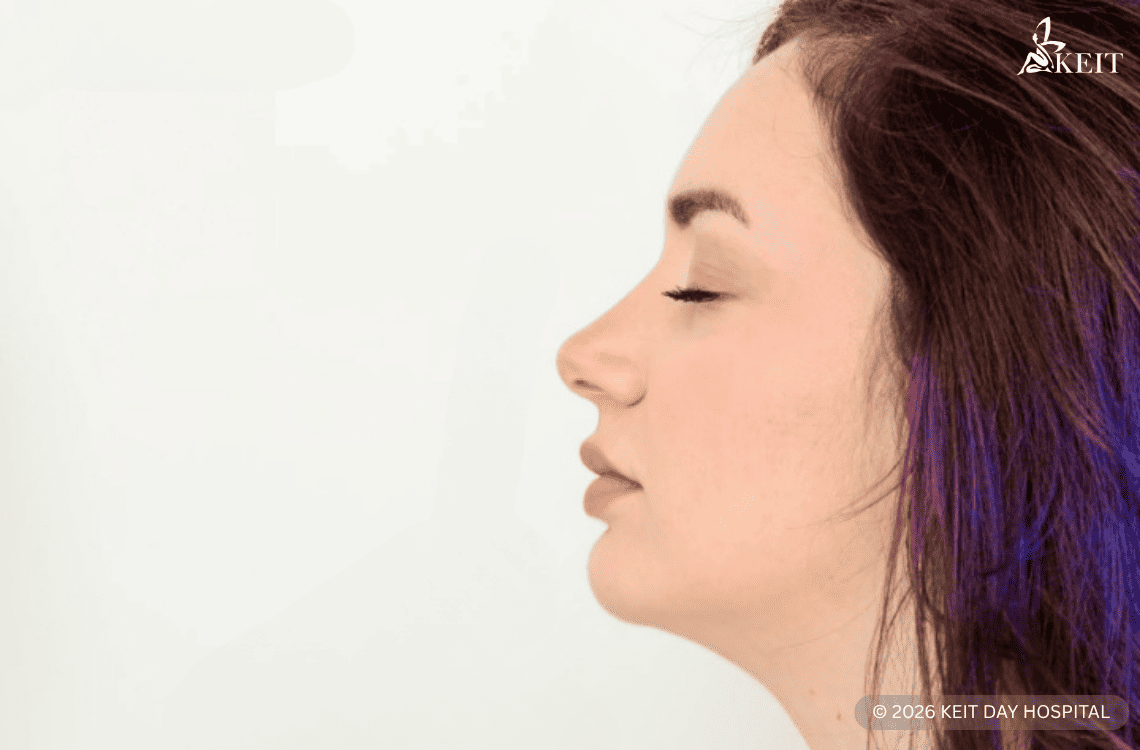
An upturned nose features a nasal tip that rotates upward, making the nostrils more visible from the front. The bridge may be straight or gently concave and the nose often appears shorter due to tip rotation and columella position. When mild, this shape can look youthful and bright because it visually lifts the lower third of the nose and when excessive it can disrupt balance and draw attention to the nostrils and tip.
Barbie nose
A Barbie nose is a trend-driven aesthetic characterized by a scooped bridge and a highly rotated nasal tip. The dorsum often shows more concavity than a naturally refined profile and the tip typically appears smaller and lifted, creating a stylized look. This nose type can be visually striking in photos but long-term harmony depends on restraint because too much concavity or rotation can look artificial and may not suit all faces or age equally well.
Button / Snub nose
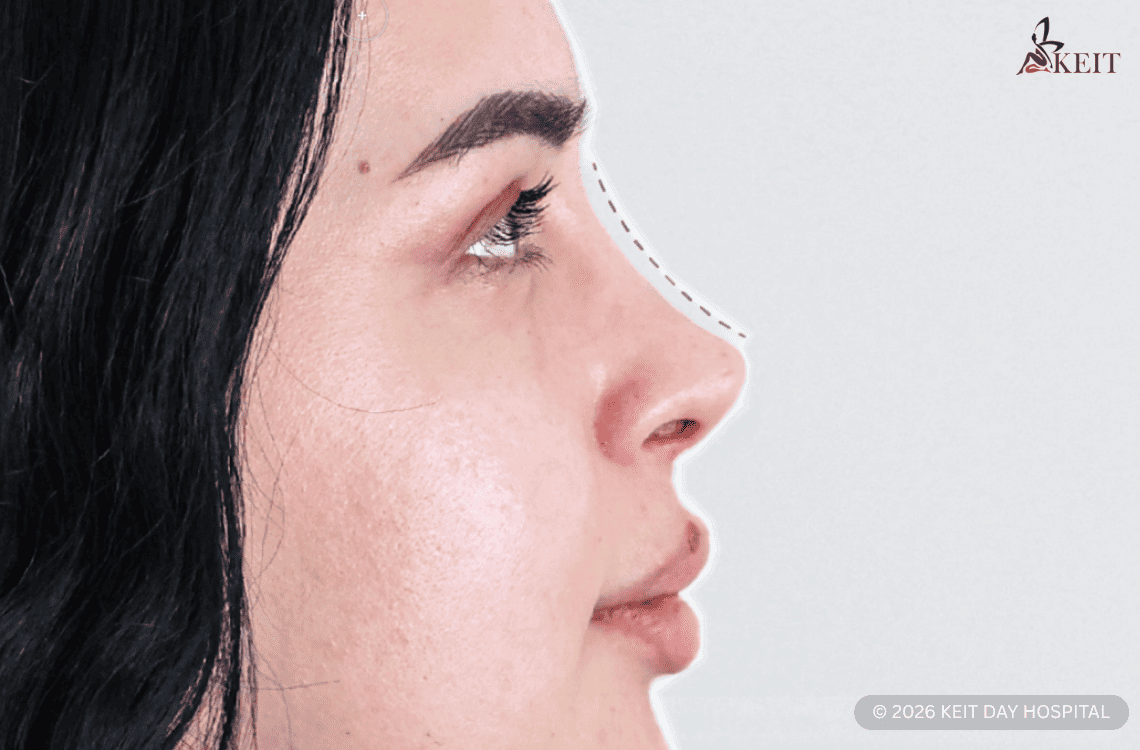
A button or snub nose is small and compact, with a short nasal length and a rounded, softly upturned tip. The bridge is usually low to moderate and the overall shape appears gentle, with soft contours rather than sharp definition. This nose type is often perceived as cute and youthful because it doesn’t project aggressively and tends to blend naturally with softer facial features. Since the proportions are already small, “improvement” usually means subtle refinement of definition or symmetry.
Structural and irregular nose types: Asymmetry, deviation and tip characteristics
Structural and irregular nose types are defined by alignment, symmetry, and tissue characteristics rather than purely aesthetic contours.
Crooked nose
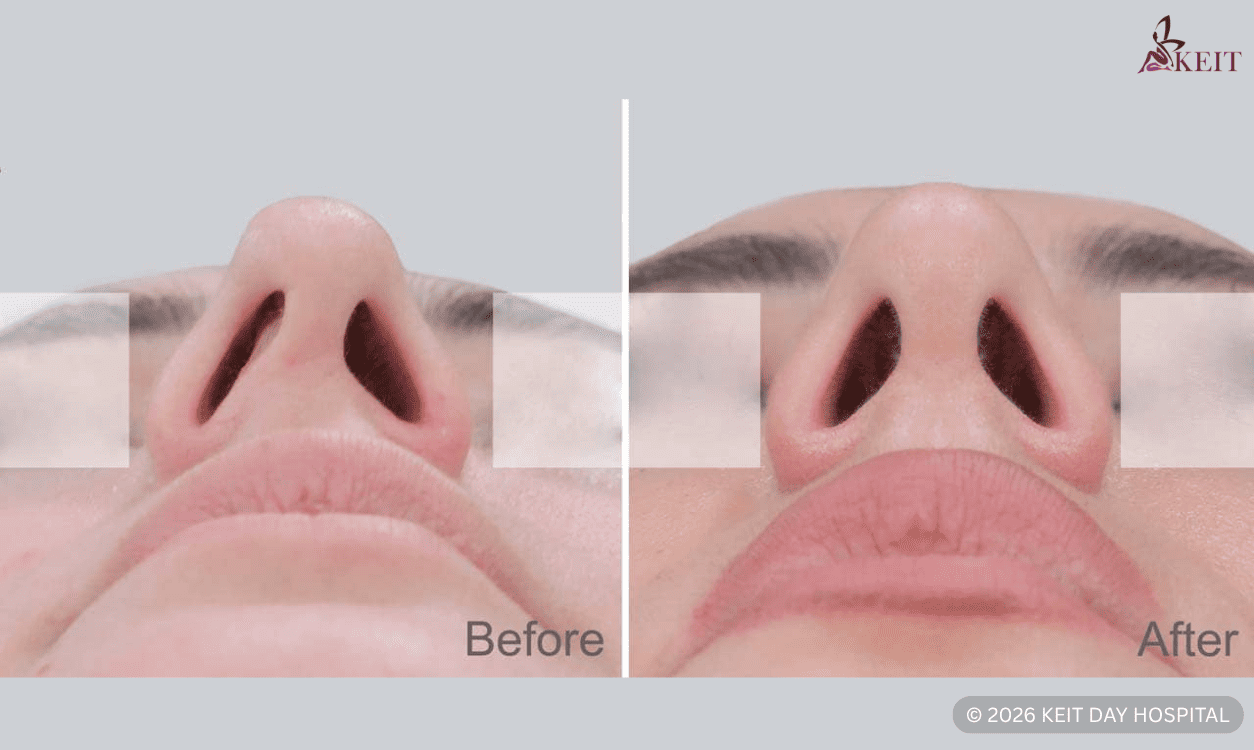
A crooked nose shows visible deviation of the nasal structure to one side, often involving both the nasal bones and the internal septum. The deviation may be noticeable from the front, the base view and in profile, creating the impression that the bridge and tip are not aligned. This nose type may result from trauma, natural growth patterns or cartilage asymmetry and aesthetic evaluation typically considers the bridge line tip position and nostril balance together since deviation often influences multiple elements at once.
Asymmetric nose
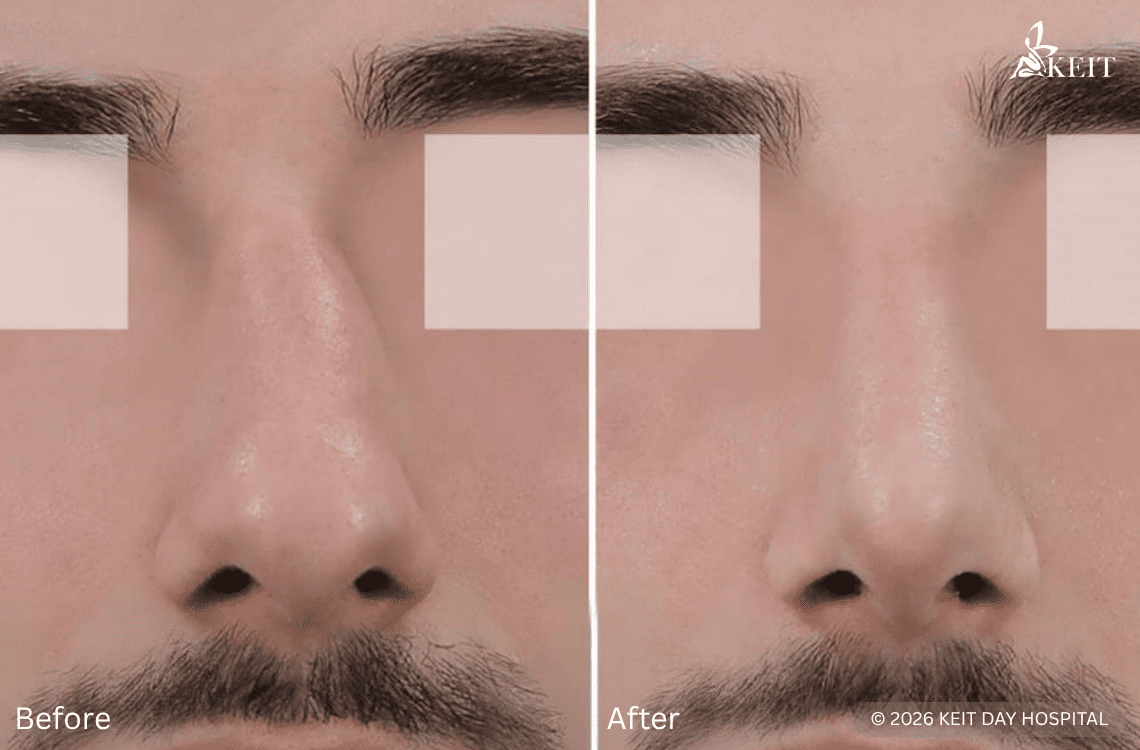
An asymmetric nose displays uneven contours between the two sides of the nose, affecting the bridge, tip, or nostrils. The asymmetry can be subtle and mainly noticed in photos or more evident, especially when it involves tip shape or nostril height differences. Mild asymmetry is extremely common because faces are rarely perfectly symmetrical and the realistic aesthetic goal is usually improvement and balance.
Bulbous nose
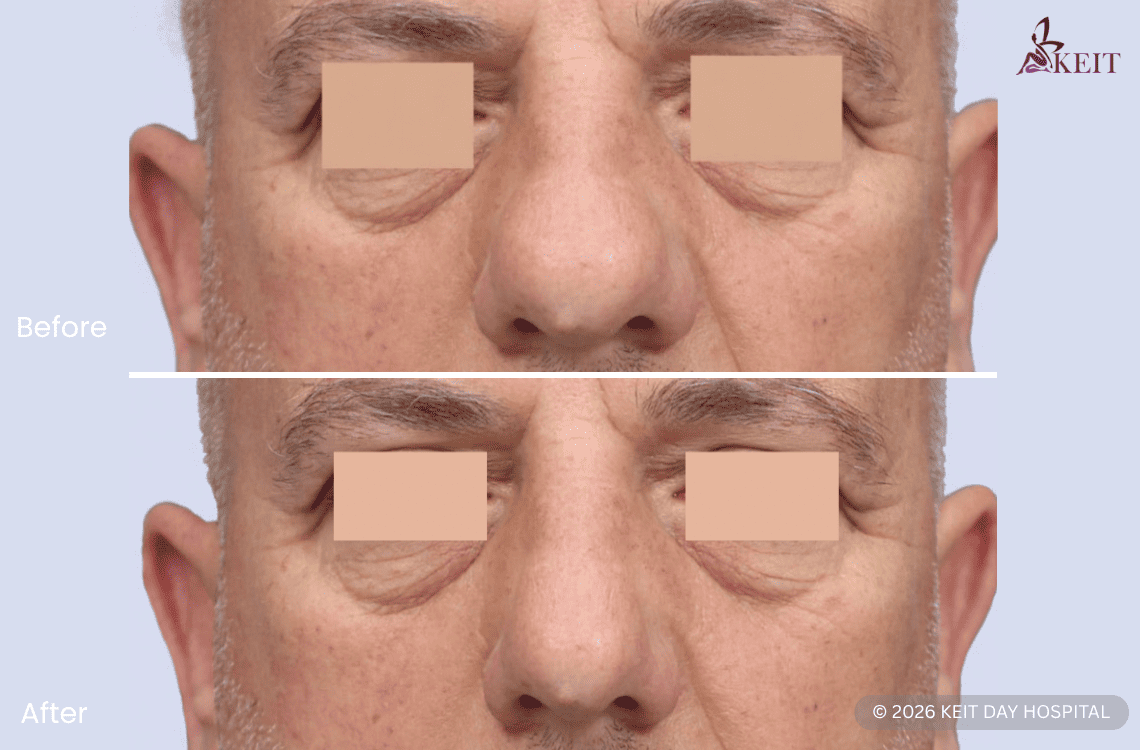
A bulbous nose features a rounded, enlarged nasal tip, often due to thick skin, excess cartilage, or both. The tip lacks sharp definition and may appear wide, soft, or full even when the nasal bridge itself is proportionate. This nose type tends to draw attention mainly to the tip rather than the bridge and definition depends not only on cartilage shape but also on skin thickness which affects how clearly contours show.
Types of noses based on size and width
These classifications describe overall proportions rather than a single profile pattern.
Wide nose
A wide nose is defined by a broad nasal bridge, wide nostrils, or both. Width may involve the entire nose or mainly the base and it is often more noticeable from the front view than from the side. Aesthetic balance depends on proportion relative to cheekbones, lips and jawline rather than width alone and in many faces a wider nose looks harmonious and natural. What matters most is whether the width fits the rest of the facial structure or appears disproportionate compared to surrounding features.
Large nose
A large nose appears dominant due to length, projection, overall volume, or a combination of these factors. Large is a relative term because a nose may be prominent yet still balanced when the forehead, chin and facial framework are equally strong. Many large noses integrate naturally with expressive facial features and contribute to individuality and when refinement is considered the goal is usually to improve proportion and profile flow rather than reduce size for its own sake.

Ethnic nose types: Common traits and natural variation
Ethnic nose types reflect shared genetic patterns, but variation within every population is significant and individual anatomy always comes first.
Nubian nose
A Nubian nose is typically characterized by a broader nasal base, wider nostrils and a longer bridge, often combining softness with strong projection. This nose type contributes strongly to facial identity and can look highly balanced when evaluated with the lips, cheekbones and jawline. Rather than treating it as a fixed template, aesthetic assessment focuses on individual proportions because even within this category bridge height tip definition and base width can vary widely.
Asian nose
Asian nose shapes often feature a lower or flatter nasal bridge with varying degrees of tip projection. The base may appear wider or softer in contour and the overall profile often blends more smoothly with the midface depending on bone structure and skin thickness. From an aesthetic point of view the focus is on proportion and support meaning how the bridge tip and base align with the eyes, cheeks and lips since facial harmony is determined by the full facial framework.
Rhinoplasty for different types of noses at KEIT Day Hospital: Structured medical care
At KEIT Day Hospital, rhinoplasty follows structured medical protocols focused on individualized planning, preservation-focused techniques and natural outcomes that respect facial identity. It offers all-inclusive rhinoplasty packages starting from 1,600 euro, performed by Italian surgeons using the closed technique with no visible scars and an average duration of 40–90 minutes.
With over 23,000 procedures and more than 11,000 positive patient reviews, the team specializes in ultrasonic and preservation rhinoplasty, combining precision with competitive pricing. Patients also benefit from nausea-free anesthesia, advanced silicone splints, hotel accommodation, airport transfers, trilingual support and follow-ups available both online or directly at the hospital for added safety and peace of mind.
To fully understand how surgeons at KEIT Day Hospital achieve succesful rhinoplasty refinement, it helps to first explore what rhinoplasty is and how it works in our complete guide.